Unique Honeymoon Destinations: Beyond the Obvious Choices
March 29, 2026 · TripOnly

Unique Honeymoon Destinations: Beyond the Obvious Choices
Most honeymoon lists look the same. The Maldives. Santorini. Bali. Paris. They're on every list because they're genuinely beautiful — but they're also on every list because they're genuinely crowded, increasingly expensive, and becoming harder to experience as anything other than a backdrop for photographs you've already seen a thousand times.
This is a different kind of list.
Some of these destinations are well-known but chronically underrated as honeymoon choices. Others are genuinely off the radar. All of them share a quality that the classics have started to lose: the feeling that you've arrived somewhere rather than somewhere you've been told to arrive.
The Faroe Islands, Denmark
For couples who want something genuinely other-worldly
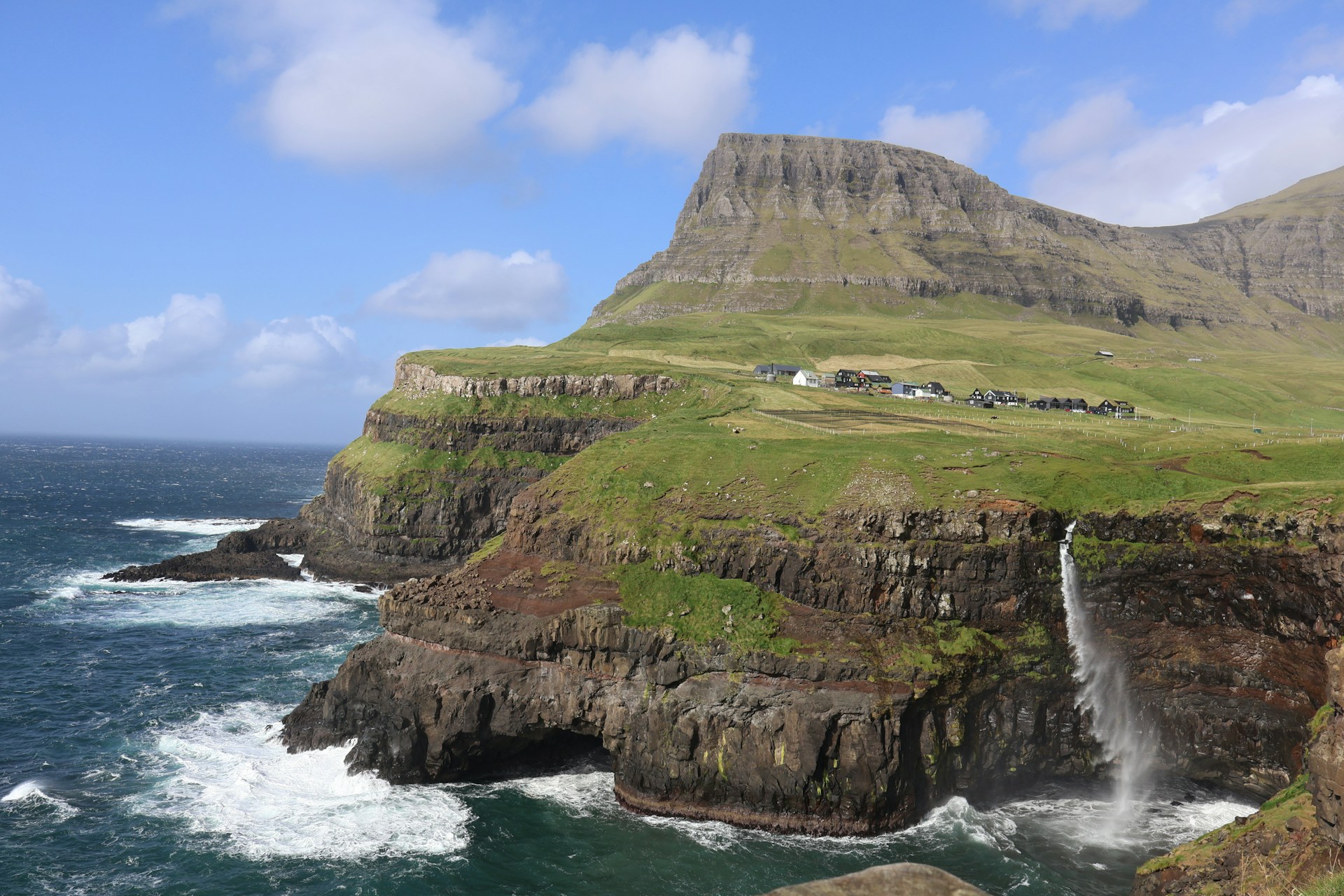 The Faroe Islands have no business being as beautiful as they are. Technically Danish, sitting in the North Atlantic between Iceland and Norway, these 18 volcanic islands offer a landscape that reads like someone compressed the Scottish Highlands, Norwegian fjords, and an Icelandic plateau into a space small enough to drive across in an afternoon.
The cliffs at Vestmanna drop straight into the sea. The village of Gásadalur has a waterfall that falls directly over a cliff edge into the ocean below. Puffins nest in the grass above the ledges. In summer, the sun barely sets. In winter, you get the Northern Lights.
There are no international chain hotels. Accommodation is guesthouses, small boutique properties, and Airbnbs — many of them traditional turf-roofed farmhouses. The food scene has quietly become one of the best in the North Atlantic, with a generation of chefs doing extraordinary things with lamb, seabird, fermented fish, and foraged coastal herbs.
This is not a beach honeymoon. It's cold, often foggy, occasionally dramatic in the way that only the North Atlantic can be. For the right couple — hikers, photographers, people who find moody landscapes more romantic than sun loungers — it is genuinely incomparable.
Best time to visit: June–August for long days and accessible hiking. February–March for Northern Lights.
The Azores, Portugal
For couples who want Europe, wilderness, and volcanic drama
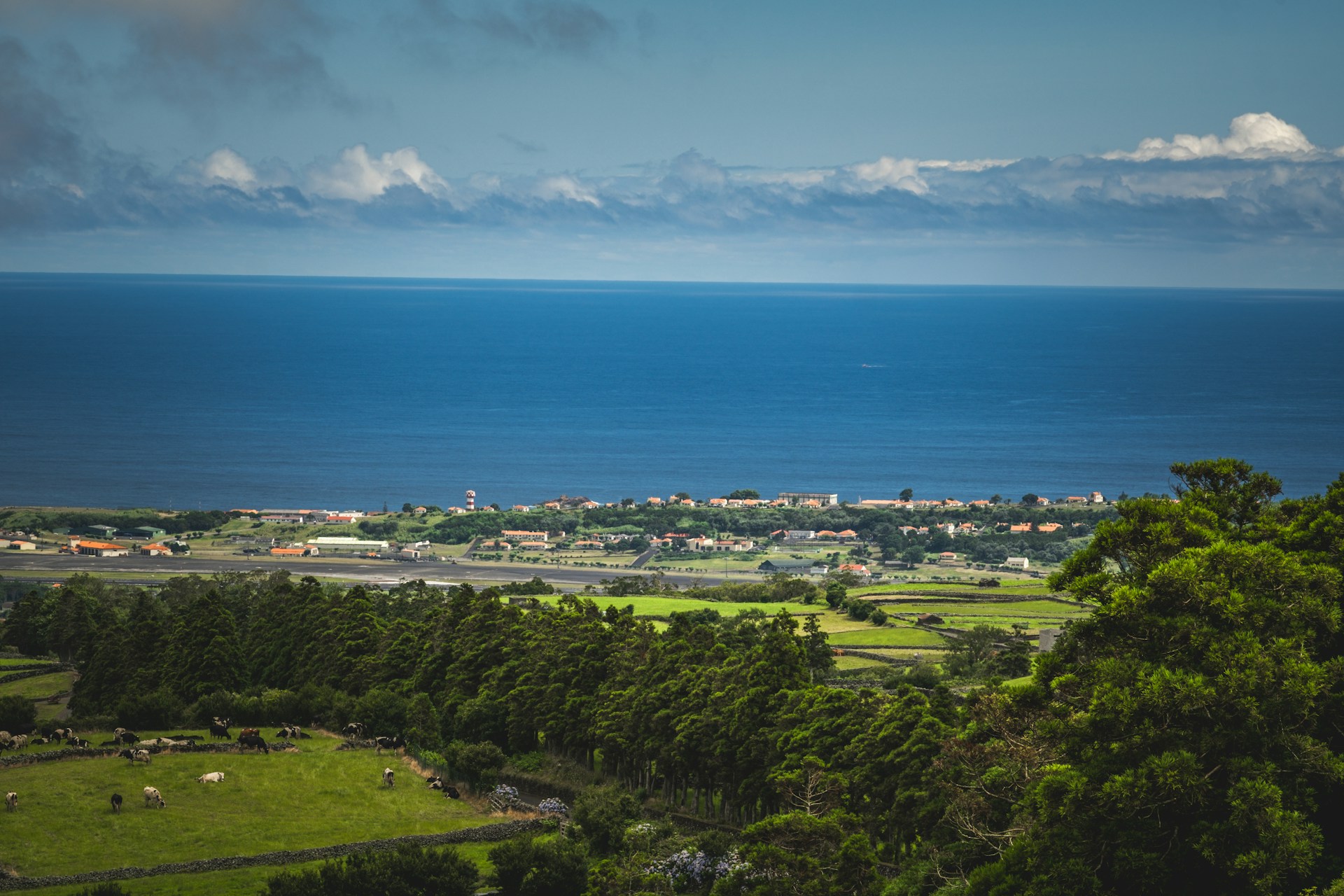 Nine islands in the middle of the Atlantic, technically Portuguese, ecologically unlike anywhere else in Europe. The Azores have been quietly gathering attention for several years and still haven't reached the saturation point of most European island destinations.
São Miguel, the largest island, has crater lakes of improbable blue-green colour, hot springs you can cook in, and a coastline where the Atlantic arrives with full force. Flores, further west, is arguably the most beautiful island in the Atlantic — small, green, waterfalled, visited by relatively few people. Pico has the highest mountain in Portugal, vineyards classified as UNESCO World Heritage, and the best whale-watching in Europe.
The combination of volcanic geology, lush green interior, ocean walks, and the general quality of Portuguese food and hospitality makes the Azores one of the most complete honeymoon destinations in Europe. It's also considerably less expensive than mainland Portugal has become.
Best time to visit: May–September. The islands are accessible year-round but summer brings the most reliable weather.
Bhutan
For couples looking for meaning alongside beauty
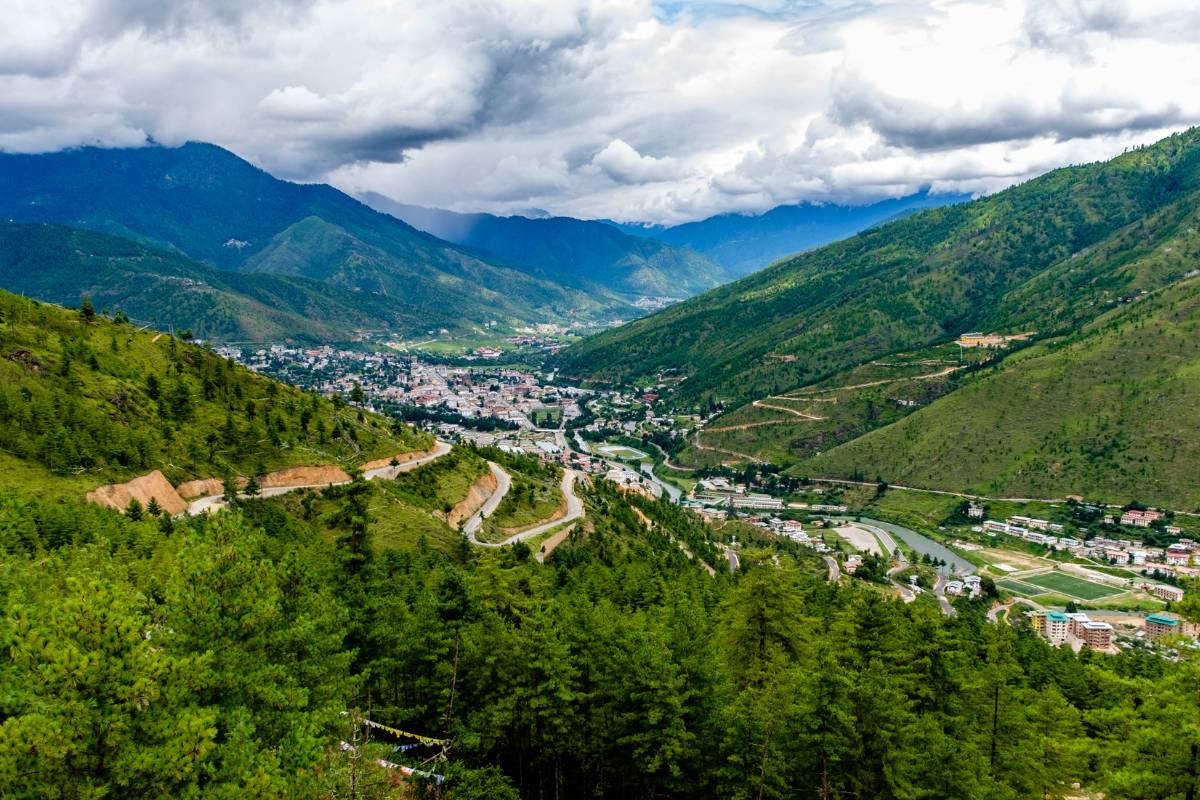 Bhutan measures its success in Gross National Happiness rather than GDP. It is the world's only carbon-negative country. Sixty percent of its land is protected by law as forest. Tourism is managed deliberately — a daily fee ensures that visitor numbers stay low and the infrastructure isn't overwhelmed.
What you get in exchange is a kingdom that has protected its landscape, its culture, and its architecture with unusual seriousness. The monastery of Paro Taktsang — the Tiger's Nest — clings to a cliff face at 3,120 metres above sea level. The Punakha Dzong sits at the confluence of two rivers, its white and gold-ochre walls reflected in the water. The valleys between the high passes are farmed in the same way they have been for centuries.
The Six Senses lodge in Paro is among the finest hotel experiences in Asia. A private butter lamp ceremony at a 16th-century monastery, offered to couples as a blessing for their marriage, is the kind of experience no other destination in the world offers.
Bhutan is not cheap, and it's not easy. It rewards couples who care less about beach time and more about arriving somewhere that takes your breath away for reasons that have nothing to do with Instagram.
Best time to visit: March–May (spring festivals, rhododendrons in bloom) or September–November (clear skies, harvest season).
Puglia, Italy
For couples who want Italy without the crowds
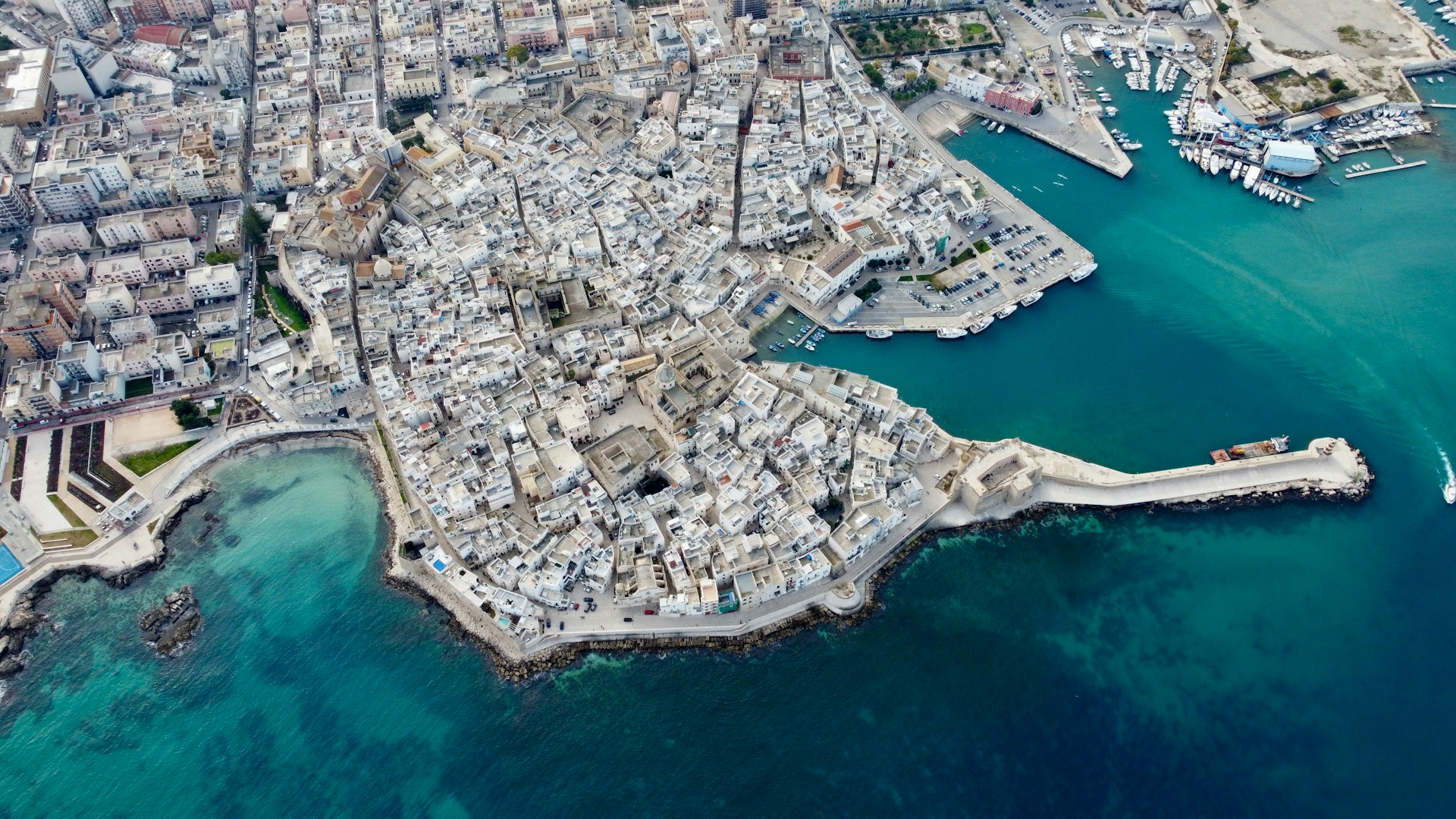 Almost everyone goes to Tuscany or the Amalfi Coast. Far fewer people think of the heel of Italy's boot — and that's precisely why Puglia works so well as a honeymoon destination right now.
The trulli of Alberobello — whitewashed stone houses with conical roofs — are unlike any architecture in Europe. The old city of Lecce, built in golden baroque stone so elaborate it makes other baroque cities look restrained, is extraordinary and largely free of tourist infrastructure. The coastline of the Salento peninsula alternates between turquoise coves and wild limestone cliffs. The Valle d'Itria is a gentle, vineyard-covered landscape that moves at a pace that makes Tuscany feel hectic.
The food is the strongest argument: burrata made same-day, orecchiette with broccoli rabe and anchovies, grilled sea bass with local olive oil, Primitivo and Negroamaro wines that cost a third of what Brunello does and are half as pretentious. Masserie — converted farmhouses — offer some of the best boutique accommodation in Italy.
Best time to visit: May–June or September–October. July and August are hot and busier; perfectly manageable but the shoulder season is superior.
Cape Verde
For couples who want beach simplicity with character
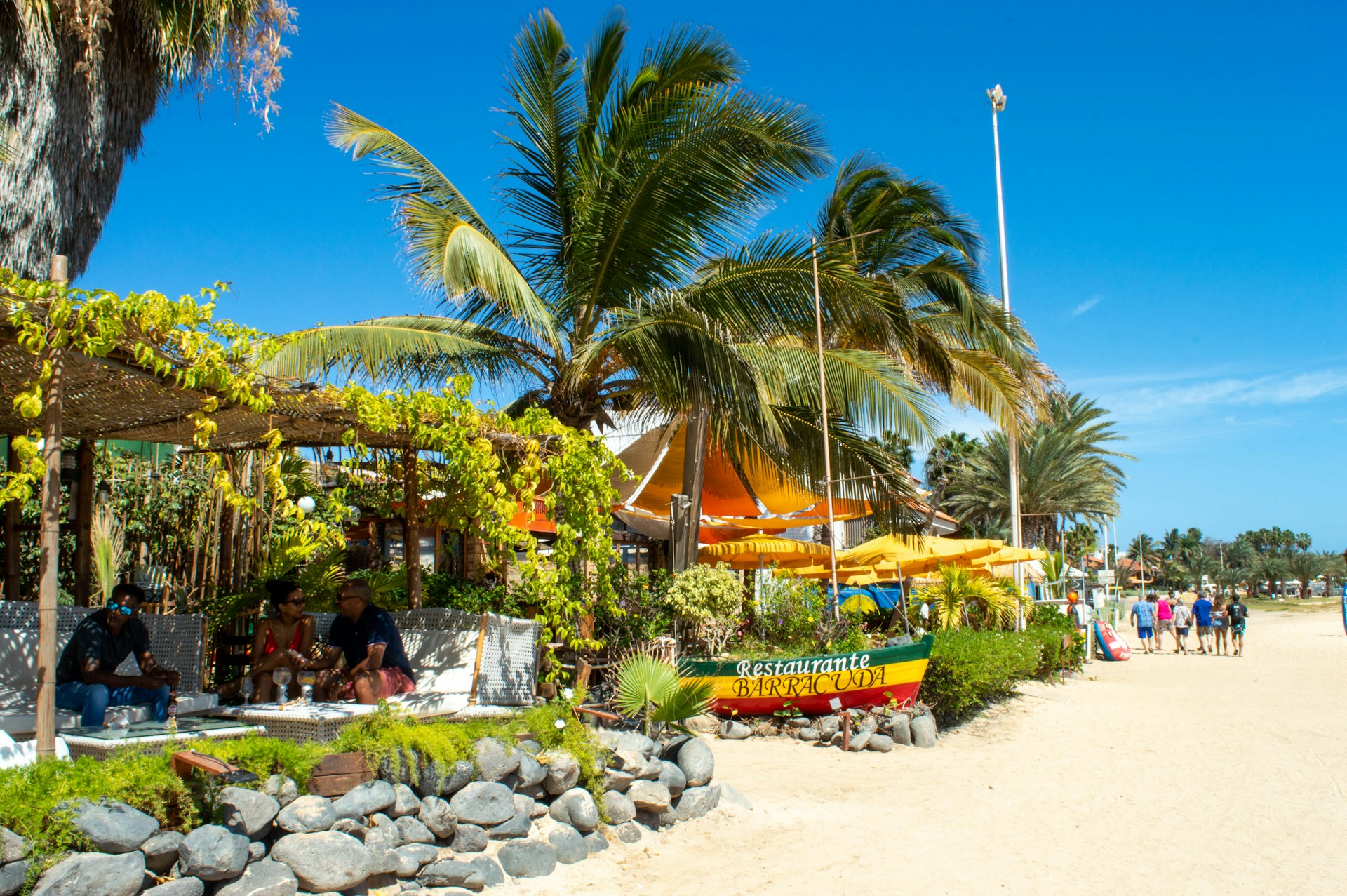 Ten volcanic islands off the coast of West Africa, Portuguese-speaking, with a music tradition — morna, the Portuguese-African genre that gave the world Cesária Évora — that fills every bar and restaurant with something genuinely moving.
Sal and Boa Vista offer the white sand and turquoise water that honeymoon brochures require, at prices that haven't yet caught up with comparable Caribbean destinations. São Vicente has the port city of Mindelo, considered the cultural capital of the archipelago, with a creative scene, a good restaurant circuit, and the kind of slightly-rough-around-the-edges energy that makes a place feel real. Santo Antão, connected by ferry, is a hiking island of dramatic valleys and peaks.
Cape Verde is a four-to-five hour flight from London and seven hours from New York — close enough to be practical, far enough to feel like a genuine departure.
Best time to visit: November–June. July–October brings heat and occasional Saharan dust.
Kyoto and the Japanese Alps
For couples who want culture, nature, and refinement in the same trip
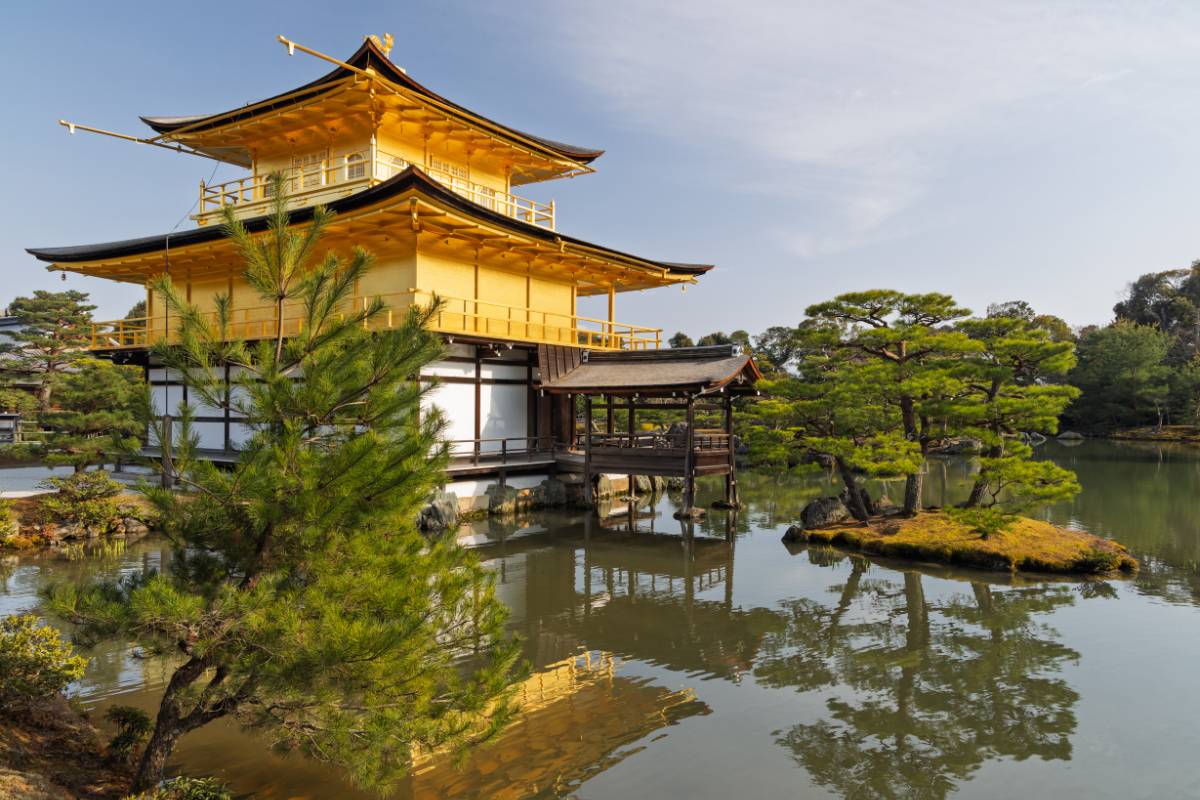 Japan keeps appearing on honeymoon lists and keeps being underrated as an actual honeymoon destination rather than a cultural pilgrimage. The combination of ryokan hospitality, kaiseki dining, and the specific Japanese approach to aesthetics — where a garden, a tea ceremony, or a meal is treated as seriously as a painting — creates an experience of sustained beauty that few countries match.
The formula that works: two or three nights in Kyoto for temples, gardens, and the quiet streets of Gion in early morning; a night in a traditional onsen ryokan in Kinosaki or Hakone, where dinner is served in your room and the bath is fed by a natural hot spring; and if the itinerary allows, a few days in a mountain village in the Japanese Alps — Shirakawa-go, with its thatched-roof farmhouses, or the old post towns of the Nakasendo trail.
This is a honeymoon that works in any season but is specifically extraordinary in late March to early April (cherry blossom) and mid-November (autumn colour). Book accommodation many months ahead for these windows.
Best time to visit: March–May or October–November. December through February is cold and much less crowded.
The Cook Islands
For couples who want the South Pacific without the price tag of Bora Bora
Bora Bora is, justifiably, one of the most beautiful places on earth. It's also priced accordingly, dominated by international resort chains, and increasingly difficult to experience as anything other than a luxury product.
The Cook Islands, situated between Tahiti and Fiji on the New Zealand dollar, offer something comparable at considerably lower cost — and with a character that the more developed islands have largely lost. Aitutaki's lagoon is one of the bluest bodies of water in the world. There are no international hotel chains on any of the islands; every resort, guesthouse, and restaurant is independently owned and operated. The diving and snorkelling is exceptional. The pace is exactly what a honeymoon should be.
Best time to visit: April–November, avoiding the wet season. June–August is peak season — still beautiful, but book ahead.
Morocco
For couples who want maximum atmosphere
No destination on this list delivers more sensory impact per square kilometre than Morocco. Marrakech's medina — the souks, the riads, the sound of the call to prayer bouncing off the walls of the old city — is an immersive experience that makes most European city breaks feel quiet. The Sahara, two days' drive south, offers the most dramatic natural landscape in North Africa.
The right way to do a Moroccan honeymoon: two nights in a riad in the Marrakech medina (there are exceptional ones at surprisingly reasonable rates), a night in the Atlas Mountains, then south to Merzouga and the dunes. Sleep in a luxury desert camp under a sky so dark the Milky Way is visible horizon to horizon. Then back through the medieval city of Fès, which makes Marrakech look like a tourist destination by comparison.
Morocco has the advantage of being close — three hours from most Western European cities, eight from New York — and genuinely transformative in a way that requires no particular athleticism or planning complexity.
Best time to visit: March–May or September–November. Summers in the Sahara are extremely hot; December–February can be cold in the mountains.
A note on the alternatives
If you've already decided on Santorini, Bali, the Maldives, or the Amalfi Coast — they remain magnificent. The crowds are manageable if you go in shoulder season, book intelligently, and resist the itinerary that has you moving every two days. The problem with the classics is rarely the destination; it's the approach.
But if you've been hesitating, or if you want your honeymoon to be a story rather than a collection of familiar photographs — somewhere on this list is the alternative you've been looking for.
The best honeymoon is the one you'll still be talking about in twenty years. It doesn't have to be the most obvious one.


