New York City: The Complete Travel Guide to the City That Never Sleeps
April 30, 2026 · TripOnly

New York City: The Complete Travel Guide to the City That Never Sleeps
There are cities you visit. And then there are cities that visit you — that move into your head and start rearranging the furniture.
New York is that kind of city.
You can watch it in a thousand films, scroll past it on a million Instagrams, hum the songs about it from memory — and still, the first time you walk out into Times Square at night, or look up from the corner of 5th and 42nd, or hear a saxophone echoing through a subway tunnel, something in you shifts. The scale of it. The noise. The sheer, defiant aliveness of the place.
New York City is five boroughs, eight and a half million people, and roughly four hundred neighbourhoods stitched together by 472 subway stations. It's the most photographed skyline on earth, the city of Broadway and Wall Street and Central Park, the home of the slice and the bagel and the bodega cat. It's also messier, weirder, friendlier, and stranger than you expect.
Whether you're chasing rooftop bars, museum halls, dumpling shops, or just the pure unfiltered hum of being somewhere that matters — NYC delivers. People come for a long weekend and find themselves googling apartment listings in Brooklyn by Tuesday.
This is everything you need to know.
Why New York?
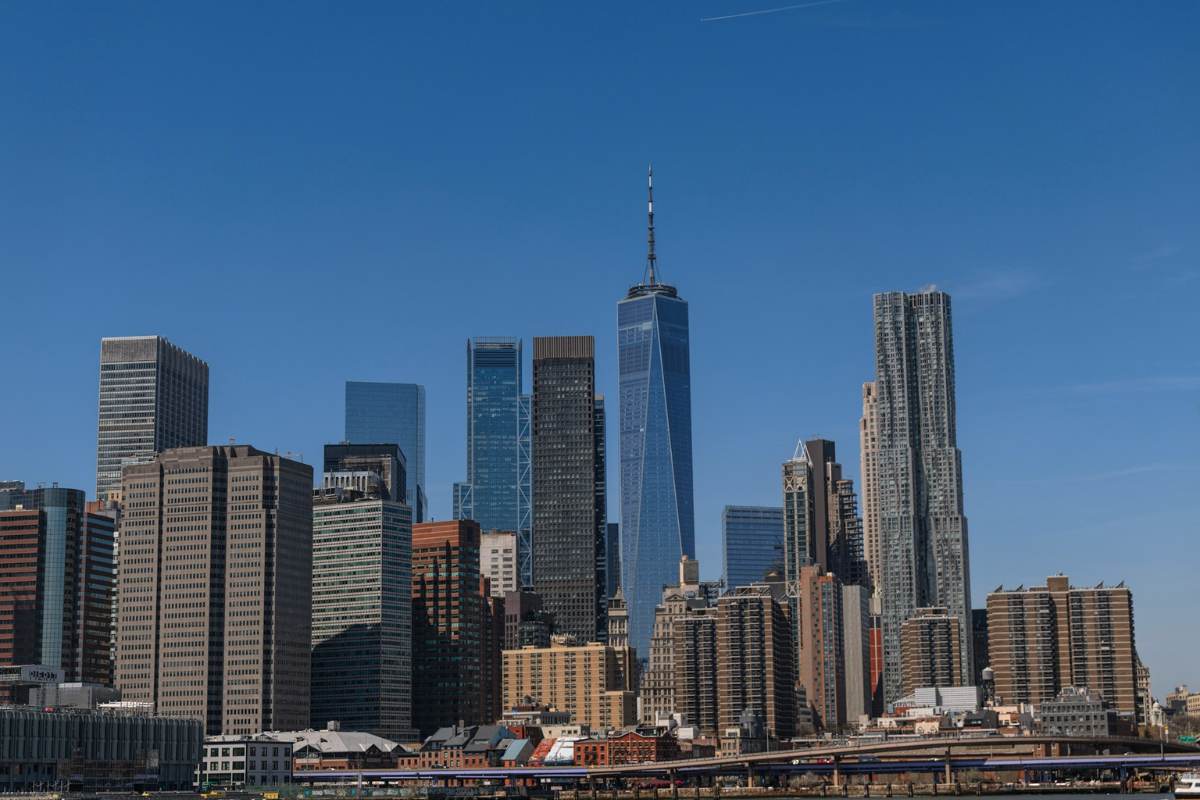 There's a reason NYC pulls more than 60 million visitors a year and still manages to feel, in its quieter corners, like a private discovery.
The city is anchored by Manhattan — that famous slim island of skyscrapers, parks, and avenues that everyone has a mental image of. But limit yourself to Manhattan and you'll miss the point. Brooklyn has the brownstones, the food scene, and the best skyline views of Manhattan. Queens is the most ethnically diverse place on the planet, with the dumpling-and-momo-and-arepa-and-pho proof to back it up. The Bronx gave the world hip-hop. Staten Island gave the world the ferry, and that ferry happens to be free, and it happens to pass the Statue of Liberty.
Spring brings cherry blossoms in Central Park and the city peeling off its winter coat. Summer is rooftops, free Shakespeare in the Park, and the kind of humidity that makes air conditioners political. Autumn is arguably the best time to be in NYC — crisp light, golden parks, sweater weather. And winter? Snow on the brownstones, ice skating at Bryant Park, the city wrapped in twinkle lights and steam.
When to Go
Spring (April–May) is glorious. Mild temperatures, blooming parks, fewer crowds than summer. Cherry blossoms peak in Central Park around mid-April. Bring layers — early spring can still bite.
Summer (June–August) is alive but sweaty. Free outdoor concerts, rooftop bars in full swing, street fairs every weekend. The trade-off: heat, humidity, and crowded everything. Locals flee to the Hamptons; you should embrace the city anyway.
Autumn (September–November) is when NYC is at its most cinematic. Cool air, brilliant foliage in Central Park and the Hudson Valley, holiday decorations creeping up by November. This is the season the romantic comedies were filmed in, and you'll understand why.
Winter (December–March) is for the romantics. Christmas in New York is its own genre — the tree at Rockefeller Center, the windows at Bergdorf Goodman, the smell of roasted chestnuts. Cold, occasionally brutal, and absolutely worth it. January and February are the cheapest months to visit, if you can handle the chill.
Getting There
By air: Three major airports serve the city. JFK (John F. Kennedy International) is the largest and the main hub for international flights. LaGuardia (LGA) is closest to Manhattan but mostly handles domestic routes. Newark (EWR) in New Jersey often has the best fares and is well connected by train.
From the airport: The AirTrain + subway combo from JFK is cheap and reliable (about $11). Taxis from JFK to Manhattan run a flat rate of around $70 plus tolls and tip. Uber and Lyft work everywhere, and ride-sharing from Newark via the Newark Liberty AirTrain to Penn Station is often the fastest option.
By train: Amtrak's Northeast Corridor connects NYC's Penn Station to Boston, Philadelphia, Washington D.C., and beyond. The Acela is fast, scenic, and far more pleasant than flying for trips up and down the eastern seaboard.
Within the city: Walk. Then take the subway. Then walk again. NYC was built for pedestrians and the subway is — despite what locals will complain about — one of the great urban transit systems in the world. Get a tap-to-pay OMNY card or use your contactless credit card directly at the turnstile. Forget the cab unless it's late or raining.
Where to Stay
NYC rewards picking the right neighbourhood almost more than picking the right hotel. Where you sleep shapes what your trip feels like.
Midtown Manhattan puts you in the middle of the postcard — Times Square, Broadway, the Empire State Building, Rockefeller Center. Convenient and iconic, if a little touristy. Try The Knickerbocker or The Refinery Hotel for character.
The Lower East Side and East Village is where the city's grit and creative energy still live. Cocktail bars, vintage shops, late-night dumplings. The Ludlow and PUBLIC Hotel are stylish bases.
SoHo and Tribeca for the design-forward traveller — cobblestone streets, cast-iron architecture, boutiques. The Mercer, The Greenwich Hotel, and The Roxy are iconic.
Brooklyn (Williamsburg, DUMBO, Brooklyn Heights) offers a calmer, hipper, more local feel — and the best Manhattan skyline views in the city. The William Vale, 1 Hotel Brooklyn Bridge, and The Hoxton Williamsburg are standouts.
Upper West Side and Upper East Side for a quieter, classic-NYC stay near Central Park and the museums. Family-friendly and elegant. The Mark, The Surrey, and Hotel Beacon.
Budget tip: Hostels in Manhattan are surprisingly decent, and Long Island City in Queens offers modern hotels at half the Manhattan price, with one subway stop into Midtown.
What to See and Do
Central Park
Start here. You should always start here.
Central Park is 843 acres of meadows, woods, lakes, and unexpected quiet smack in the middle of Manhattan. It's bigger than Monaco. You can rent a rowboat at the Loeb Boathouse, ice skate at Wollman Rink in winter, picnic on Sheep Meadow, climb Belvedere Castle, or get pleasantly lost in the Ramble. The park is the city's living room and it does not disappoint in any season.
Go early. Sunrise jogs around the Reservoir, with the skyline lighting up across the water, are one of the great free experiences NYC offers.
The Statue of Liberty and Ellis Island
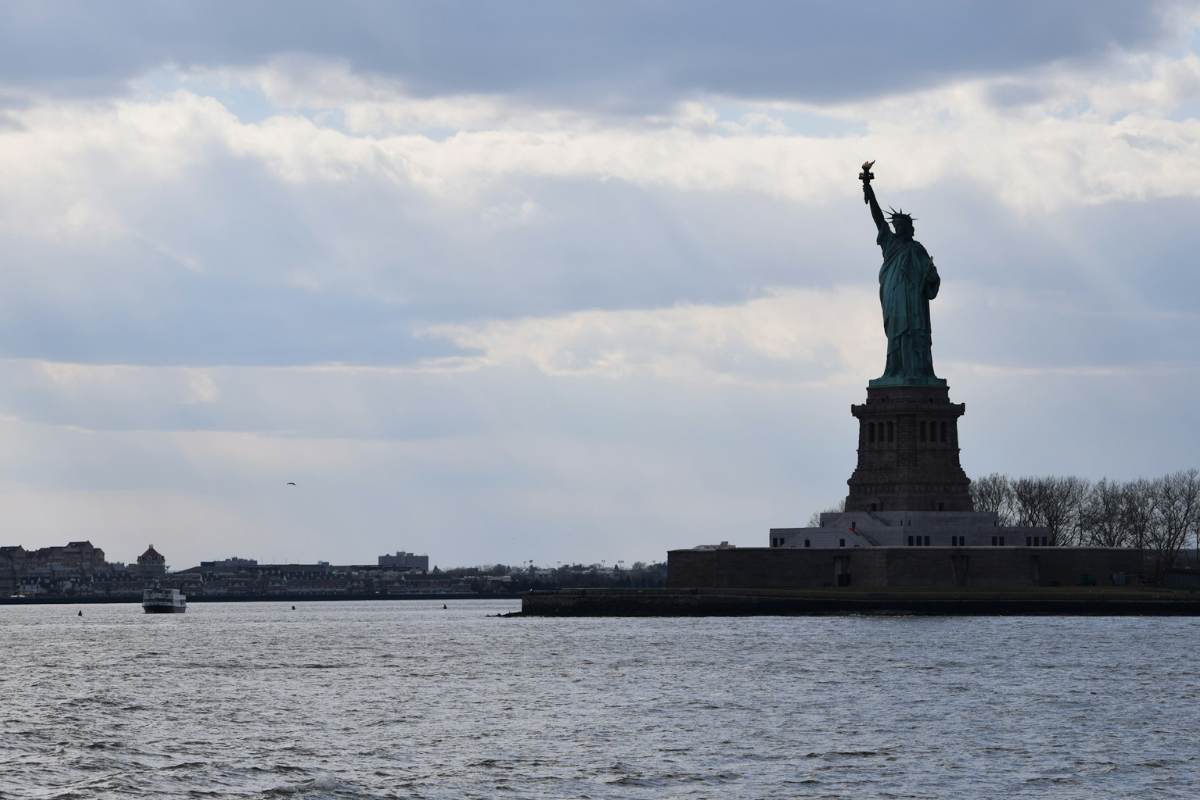 You don't have to do this. But you should.
Take the Statue Cruises ferry from Battery Park out to Liberty Island, then continue to Ellis Island, where 12 million immigrants entered the country between 1892 and 1954. The Immigration Museum is genuinely moving, even if you have no personal connection to it. Book pedestal or crown access well ahead — they sell out weeks in advance.
Free alternative: Take the Staten Island Ferry. It's free, runs 24/7, passes within striking distance of the statue, and offers some of the best skyline views in the city.
The Metropolitan Museum of Art
The Met is one of the great museums of the world. Two million square feet, five thousand years of human civilisation. You will not see it all in one visit — don't try.
Pick three galleries, see them properly, then sit in the rooftop garden in summer (it has a bar and a view). The American Wing, the Egyptian temples, the Greek and Roman halls, and the Costume Institute exhibitions are all worth your time.
The MoMA, the Guggenheim, the American Museum of Natural History, the Whitney, and the Brooklyn Museum round out a museum lineup almost no city in the world can match.
Times Square (and then leave)
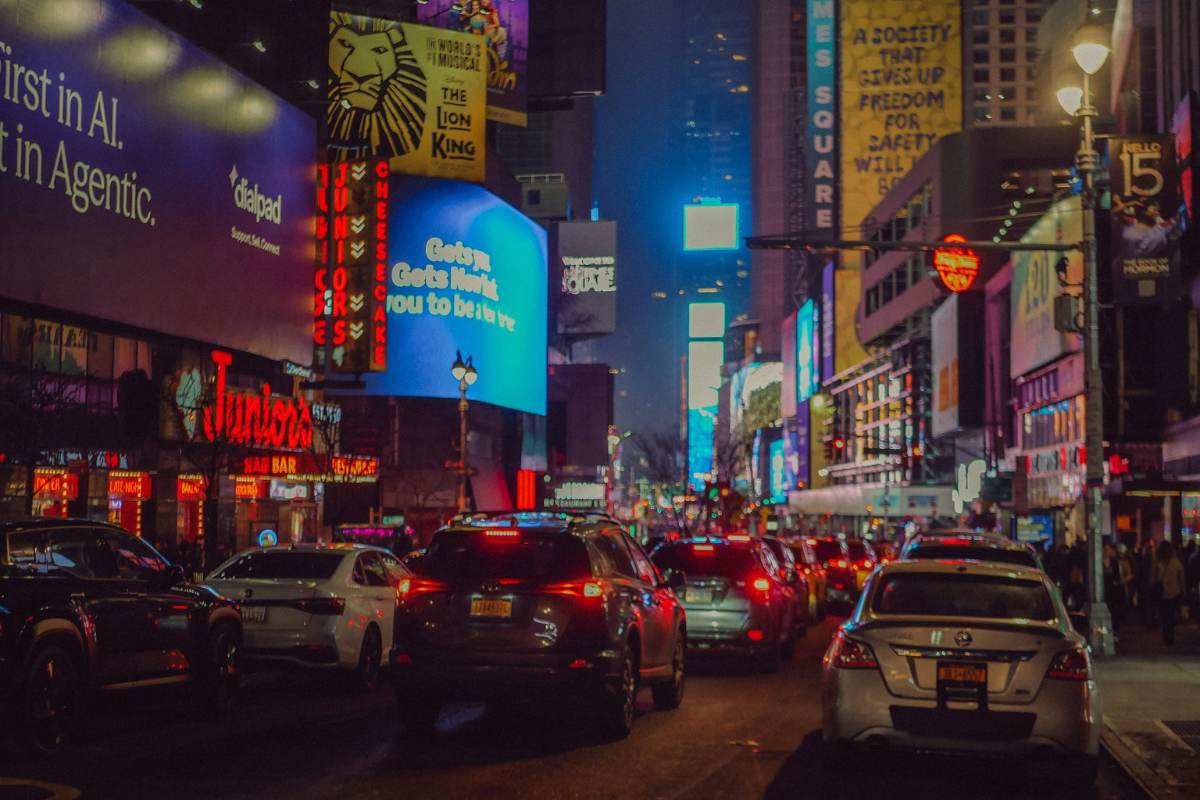
You should see Times Square. At night, ideally. It's exactly as overwhelming as you've heard — a canyon of LED billboards, 400,000 people a day, a costumed Elmo trying to charge you for a photo. It's a sensory experience.
Then leave. Walk south down 7th Avenue, or east toward Bryant Park, or north into Hell's Kitchen. The good stuff is everywhere around it.
The High Line and Chelsea
The High Line is a 1.45-mile elevated park built on a disused freight rail line on Manhattan's west side. It's a marvel of urban design — wildflowers, art installations, skyline views, and the city humming below you. Walk south to north and exit at Hudson Yards or the new Little Island, a wild floating park on stilts in the Hudson River.
Chelsea Market sits right on the path, perfect for a late lunch.
The Brooklyn Bridge
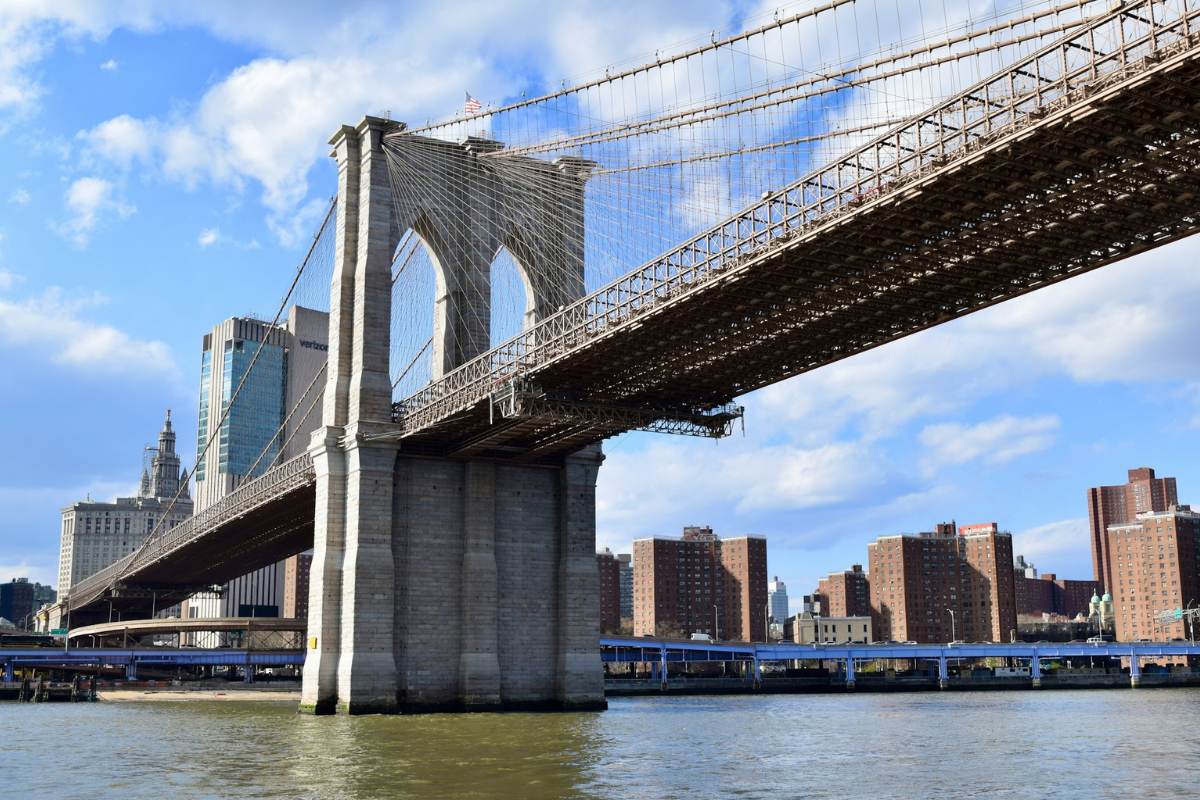
Walk it. Walk it from Manhattan to Brooklyn, ideally around sunset. It's about 25 minutes across, with the skyline behind you and DUMBO's brick streets ahead. End at Grimaldi's or Juliana's for pizza, then walk down to the Brooklyn Bridge Park waterfront for the city's most photographed view. The shot of the Manhattan Bridge framed between two buildings on Washington Street is the famous one — yes, it's worth it.
A Broadway Show
Whether it's a long-running classic or whatever's just opened to rave reviews, see something on Broadway. Same-day discount tickets are available at the TKTS booth in Times Square (up to 50% off), and the Broadway Direct lottery offers cheap seats to most major shows.
Off-Broadway is where you'll find the more experimental work — and often the better seats for half the price.
Neighbourhoods to Wander
This is what New York is really about.
Greenwich Village for jazz clubs, brownstones, and Washington Square Park. Chinatown and Little Italy for dumplings and cannoli within the same block. Harlem for soul food, gospel brunches, and the Apollo Theater. Williamsburg in Brooklyn for vintage shops, smoked meats at Peter Luger, and weekend rooftop parties. Astoria in Queens for the best Greek food in the city. Flushing for Chinese food that legitimately rivals anywhere else outside China.
Don't plan every hour. Pick a neighbourhood, get on the subway, get off, and start walking.
Where to Eat and Drink
You could eat in NYC every day for a year and not see the bottom of it.
Bagels: Get one from Russ & Daughters, Ess-a-Bagel, or Tompkins Square Bagels. Lox and a schmear, on a hot fresh bagel. This is non-negotiable.
Pizza: New York pizza deserves the hype. Joe's Pizza in the Village for a perfect $4 slice. Lucali in Brooklyn or Una Pizza Napoletana for the full sit-down experience. Di Fara in Midwood for a pilgrimage.
Delis: Katz's Delicatessen on the Lower East Side, for a pastrami sandwich that justifies the line. Yes, the When Harry Met Sally table is still there.
Fine dining: Le Bernardin for seafood, Eleven Madison Park for the full theatrical experience, Atomix for modern Korean tasting menus that rival anywhere in the world.
Casual gold: Xi'an Famous Foods for hand-pulled noodles, Joe's Shanghai for soup dumplings, Los Tacos No. 1 in Chelsea Market, Peter Luger Steak House in Williamsburg if you can get a reservation.
Cocktails: Attaboy and Please Don't Tell (PDT, entered through a phone booth in a hot dog shop) for the speakeasy experience. Dante in Greenwich Village for negronis. The Dead Rabbit downtown for Irish whiskey heaven.
Coffee: Devoción in Williamsburg, Blue Bottle anywhere, La Cabra in the Village.
Practical Tips
Get a tap-enabled card or phone. OMNY readers at every subway turnstile mean you don't need a MetroCard anymore. Tap your contactless credit card or phone and go.
Tipping is real. 18–20% at sit-down restaurants, $1–2 per drink at bars, a few dollars for a taxi or Uber driver. It's not optional and the staff are paid accordingly.
Walk on the right. New Yorkers are not aggressive — they're efficient. Don't stop suddenly on the sidewalk. Don't stand on the left of the escalator. The city moves; move with it.
Book your big-ticket things early. Broadway shows, Statue of Liberty crown access, popular restaurants like Carbone or Don Angie, the Edge or Summit observation decks — these go fast, especially in peak season.
The subway is safe. It's also late, occasionally smelly, and sometimes confusing. Use Google Maps or Citymapper. Avoid empty cars (there's usually a reason). Ride at the front or back at very late hours.
Pack for weather extremes. A summer day can hit 35°C with humidity. A winter day can drop to -10°C with wind chill. Spring and autumn flip on a dime. Layer.
Free things are real. Staten Island Ferry, Brooklyn Bridge walk, Central Park, the Met (suggested donation for non-NY residents — pay what you can), most galleries in Chelsea, and a hundred small museums on free-admission days.
Don't try to do everything. This is the cardinal NYC tourist mistake. Pick four or five things you really want to see, and leave huge gaps for wandering, sitting in cafés, and stumbling into things. The wandering is the city.
How Long Do You Need?
A long weekend (3–4 days): Enough for the icons — Central Park, a museum, the Brooklyn Bridge, a Broadway show, and a few legendary meals. You'll leave wanting more. Everyone does.
One week: Add a full day in Brooklyn, a day for the museums, time for a few neighbourhoods (Greenwich Village, Lower East Side, Harlem), and a meal or two outside Manhattan. This is the sweet spot for a first visit.
Two weeks: Now you can really live here. Day trips up the Hudson, Coney Island in summer, a baseball game at Yankee Stadium or Citi Field, deep-cut museums, side neighbourhoods, the kind of late-night dive bar evenings you'll remember for years.
There is no such thing as enough time in New York.
Final Thoughts
New York is a city that asks something of you. It asks you to keep up, to pay attention, to be a little braver than you were when you arrived. And in return it gives you an experience nowhere else on earth quite duplicates — the feeling of being in the middle of everything at once.
The skyline, the steam, the strangers, the hustle, the slice at 2am, the saxophone in the subway, the way the light hits the buildings on a clear October afternoon — it gets into you.
People who visit once tend to come back. People who come back start checking flight prices for next month. People who move here complain about it constantly and then refuse to leave.
It will still manage to surprise you. Every single time.
Pack good walking shoes. Bring an appetite. Look up sometimes.
The city is waiting.


