Mexico City: The Complete Travel Guide to North America's Most Underrated Capital
May 2, 2026 · TripOnly

Mexico City: The Complete Travel Guide to North America's Most Underrated Capital
There are cities you think you understand before you arrive. And then there are cities that quietly, completely, dismantle every assumption you brought with you.
Mexico City is that kind of city.
You've heard the rumours — that it's enormous, that it's intense, that the food is good. All of which is technically true and entirely inadequate. CDMX (as locals call it) is one of the great cultural capitals of the world, a city of 22 million people built on the bones of an Aztec metropolis, sprawling across a high-altitude valley ringed by volcanoes. It's the oldest capital in the Americas. It has more museums than any city except London. The food scene is, by any honest measure, among the best on the planet.
And yet most travellers still arrive cautious, half-expecting something they need to brace for. They leave wondering why no one told them sooner.
Whether you're chasing tacos al pastor at 1am, mezcal bars in Roma Norte, the murals of Diego Rivera, or just the soft golden light over Chapultepec Park on a Sunday afternoon — Mexico City delivers. People come for a long weekend and start pricing one-way flights back by Wednesday.
This is everything you need to know.
Why Mexico City?
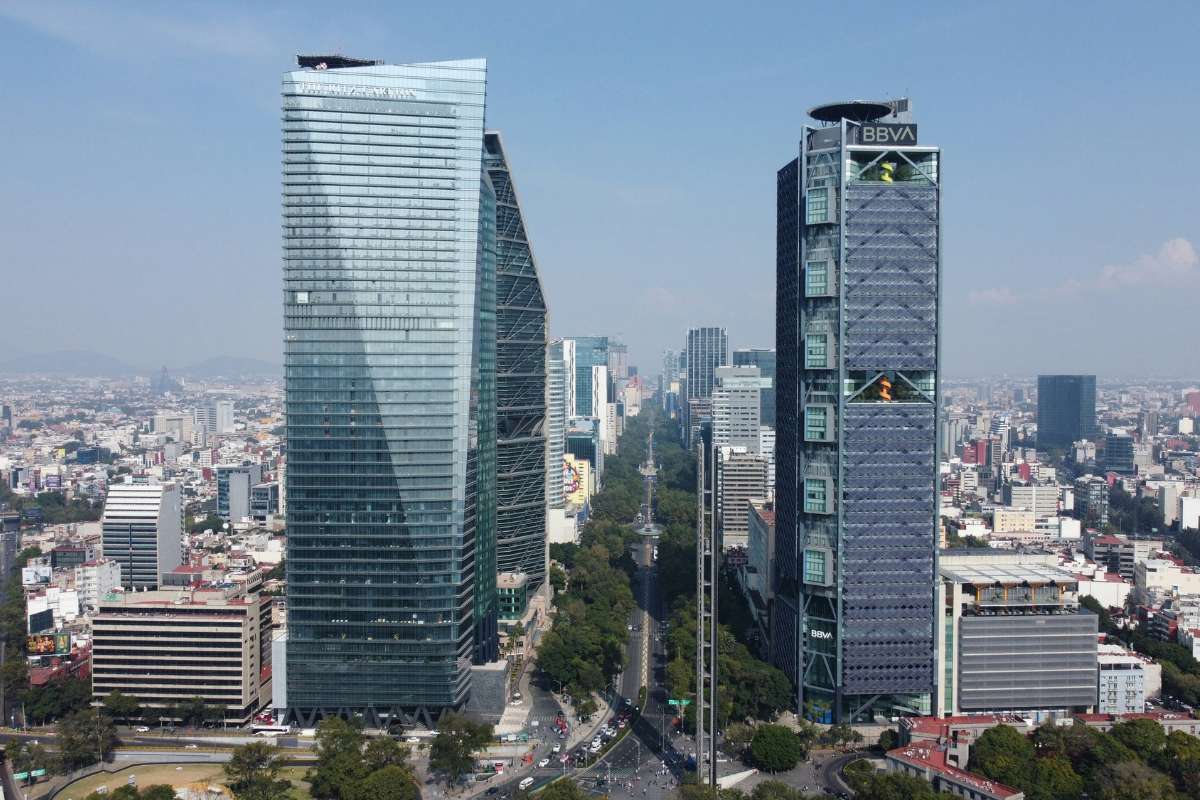 There's a reason CDMX has become one of the most talked-about destinations in the world, and still, somehow, feels like a secret you've discovered yourself.
The city is anchored by the Centro Histórico — the dense, beautiful, layered heart where the Spanish colonial city was built directly on top of the Aztec capital of Tenochtitlán. From there, the metropolis radiates outward into a constellation of neighbourhoods (colonias), each with its own personality. Roma and Condesa for tree-lined Art Deco streets, cafés, and mezcalerías. Coyoacán for cobblestones and Frida Kahlo's blue house. Polanco for fine dining and quiet wealth. San Ángel for weekend art markets. Xochimilco for the floating gardens and the trajinera boats.
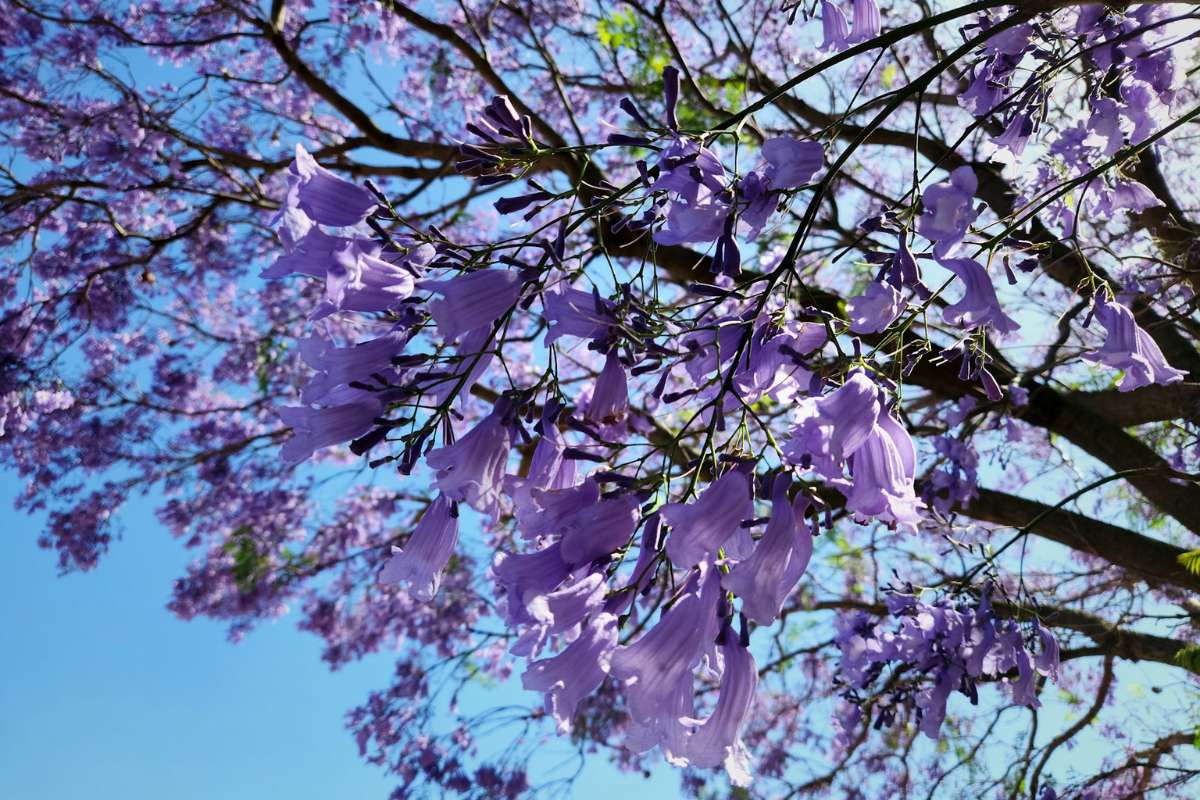
Spring brings jacaranda trees in lavender bloom across the entire city — one of urban nature's great spectacles. Summer is the rainy season, with afternoon thunderstorms that scrub the air clean and leave the evenings perfect. Autumn is dry, crisp, and full of festivals — Día de los Muertos in early November is unlike anywhere else on earth. Winter is mild, sunny, and the best season for first-time visitors.
When to Go
Spring (March–May) is when CDMX is at its most beautiful. The jacarandas bloom in March and April, turning whole avenues purple. Days are warm, nights are cool, and the rains haven't started. Book ahead — this is increasingly peak season.
Summer (June–September) is the rainy season, but don't let that scare you off. Mornings are usually clear and bright; the rain typically arrives in the late afternoon as a quick, dramatic thunderstorm, then it's done. Hotels are cheaper, restaurants are easier to book, and the city feels alive.
Autumn (October–November) is special. The rains taper off, the air turns crystalline, and the city throws itself into Día de los Muertos with marigolds, altars, and parades that have to be seen to be understood. Late October to early November is one of the most extraordinary times to be in Mexico.
Winter (December–February) is dry, sunny, and pleasantly cool — high of around 22°C, low of 6°C. Bring a jacket for evenings. The light at this time of year is photographer-perfect.
A note on altitude: Mexico City sits at 2,240m. Take the first day slowly. Drink water. Skip the heavy drinking on night one. Your body will adjust within 24–48 hours.
Getting There
By air: Most international visitors fly into Aeropuerto Internacional Benito Juárez (MEX), the main hub. The newer Felipe Ángeles International Airport (NLU) north of the city handles a growing number of flights, mostly domestic — check carefully which airport your booking uses, as they're an hour-plus apart.
From the airport: Authorised airport taxis (buy a ticket inside the terminal, not from anyone approaching you) and Uber are the easiest options. Uber is generally cheaper and faster, around 200–400 pesos to most central neighbourhoods. The Metro connects too, but is brutal with luggage.
Within the city: The Metro is cheap (5 pesos a ride), efficient, and one of the most extensive systems in the Americas — but it can be very crowded at rush hour. The Metrobús (bus rapid transit on dedicated lanes) is often more comfortable. Uber is the gold standard for tourists — affordable, safe, and removes the language barrier and route-haggling.
For short distances, walk. CDMX rewards wandering, and the central neighbourhoods (Roma, Condesa, Centro, Juárez) are wonderfully walkable.
Where to Stay
CDMX is a city where neighbourhood matters far more than hotel brand. Pick the right colonia and the trip writes itself.
Roma Norte and Roma Sur are where most first-time visitors should stay. Tree-lined streets, Art Deco buildings, the city's best bar and café scene, walking distance to almost everything. Casa Pancha, Brick Hotel, and Ignacia Guest House are standouts.
Condesa, just west of Roma, is leafier and quieter — full of parks, joggers, and small bistros. Perfect for a slower-paced stay. Try Condesa DF or Octavia Casa.
Polanco is upscale, quieter, and home to many of the city's top restaurants and the Museo Soumaya. Las Alcobas, The St. Regis, and Sofitel Mexico City Reforma sit nearby.
Centro Histórico for the maximum-immersion experience — colonial palaces, ancient ruins, and the city's pulse right outside your door. Can be loud and intense; perfect for a few nights, possibly not a full week. Hotel Downtown Mexico and Círculo Mexicano are beautifully designed boutique options.
Juárez is the up-and-coming creative hub, packed with galleries, design shops, and excellent restaurants — and noticeably cheaper than Roma.
Coyoacán for the dreamier, more residential southern experience near Frida Kahlo's house. A trade-off in central convenience, but romantic and quiet.
What to See and Do
The Centro Histórico
Start here. You have to start here.
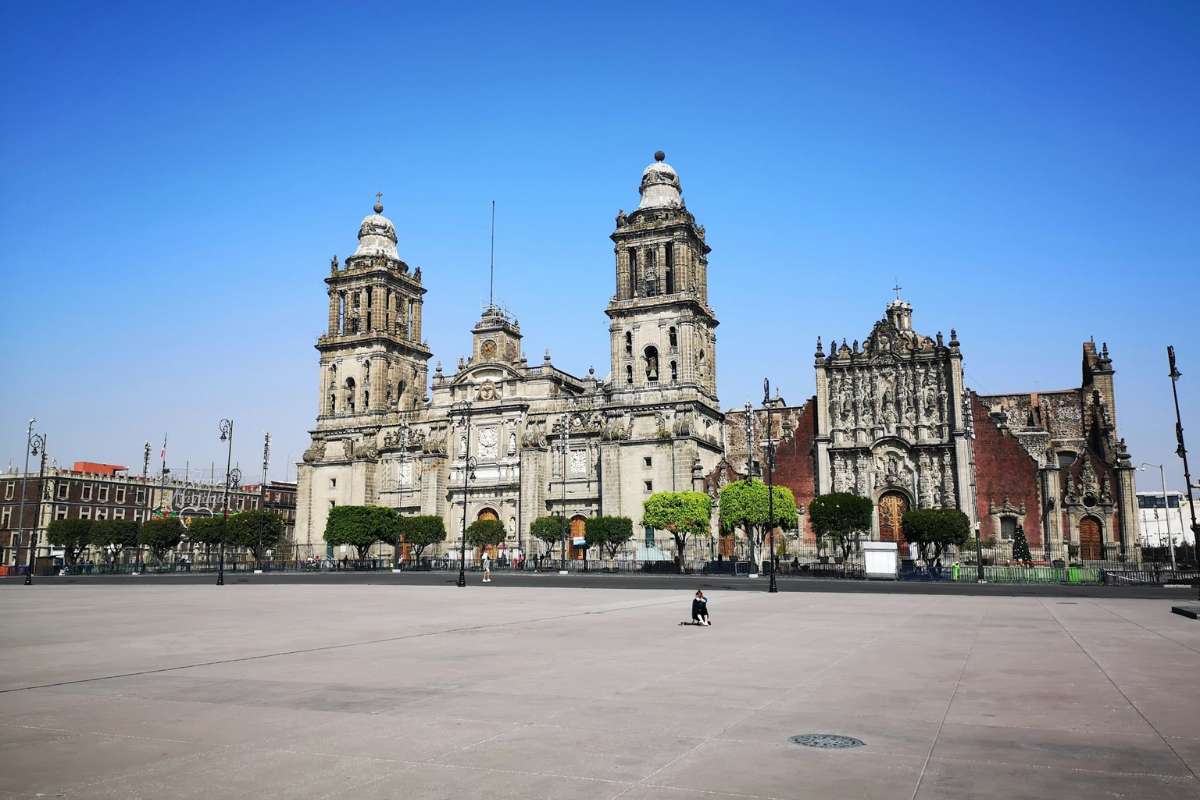
The Zócalo (officially Plaza de la Constitución) is the second-largest public square in the world, framed by the Metropolitan Cathedral and the National Palace. Inside the National Palace, Diego Rivera's massive murals depicting Mexican history wrap the staircase walls — entry is free, just bring ID.
A block away, the Templo Mayor ruins sit half-excavated in the middle of the city: the literal heart of Aztec Tenochtitlán, uncovered when electrical workers stumbled onto a stone disc in 1978. The accompanying museum is essential.
Wander Calle Madero, peek into the Casa de los Azulejos (a 16th-century palace tiled in blue and white), and end with a coffee at the rooftop of the Gran Hotel Ciudad de México for a view straight down into the Zócalo.
Teotihuacán
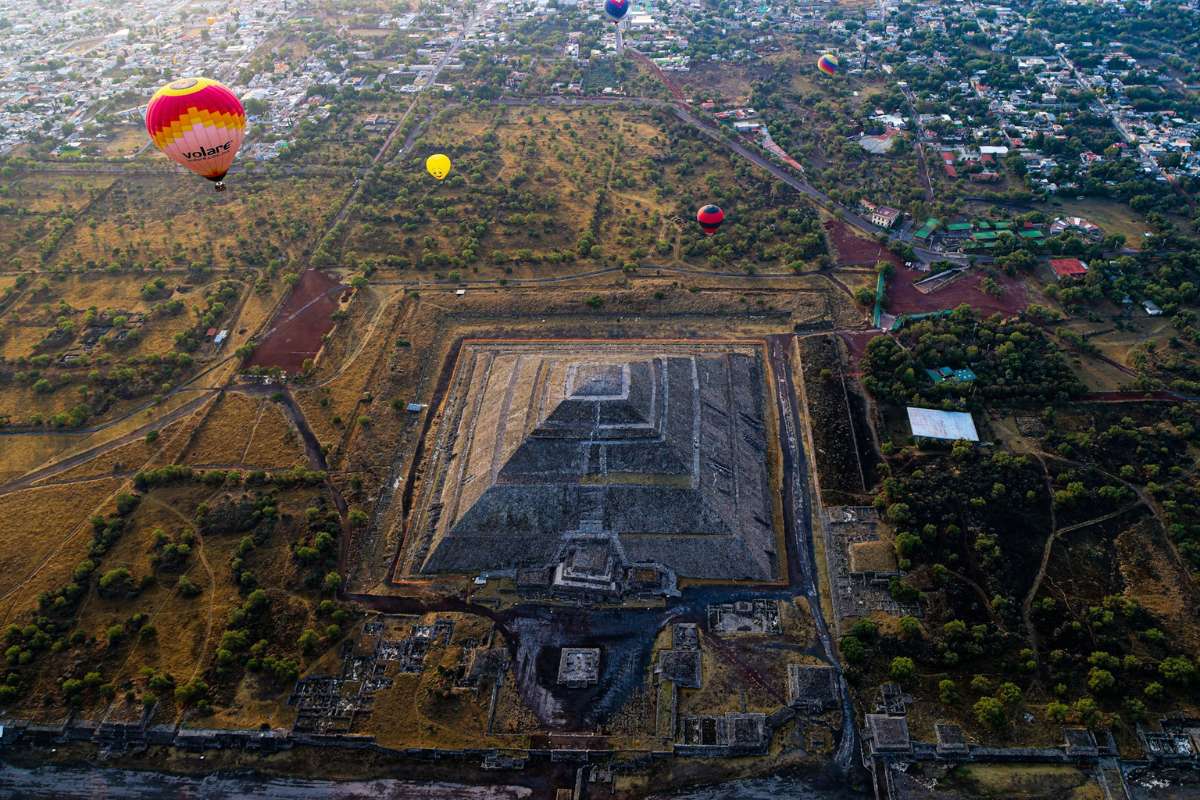 About an hour northeast of the city lies one of the most extraordinary archaeological sites in the Americas: the ancient city of Teotihuacán, which at its peak (around 500 CE) was one of the largest cities on earth.
The Pyramid of the Sun and the Pyramid of the Moon are massive — much bigger than photographs suggest — and walking the Avenue of the Dead between them, with the volcanoes on the horizon, is one of those genuinely wonder-inducing travel experiences.
Go early to beat the heat and the tour buses. Some travellers splurge on a sunrise hot-air balloon flight over the pyramids — pricey, but unforgettable.
Frida Kahlo's Casa Azul
In the cobblestoned southern neighbourhood of Coyoacán sits the cobalt-blue house where Frida Kahlo was born, lived, painted, and died. The Casa Azul is now a museum, and it remains one of the most intimate house-museums anywhere in the world — her wheelchair at the easel, her dresses preserved in glass cases, her ashes in a pre-Hispanic urn on her bed.
Buy timed tickets online well in advance. They sell out, especially on weekends. Combine with lunch in Coyoacán's main square and a stop at the nearby Museo Casa de León Trotsky, where the Russian revolutionary lived (and was assassinated) in exile.
Chapultepec Park and the Anthropology Museum
Chapultepec is twice the size of Central Park and contains, among other things, a castle on a hill (the only royal castle in North America), several lakes, a zoo, and the Museo Nacional de Antropología — one of the world's great museums.
The anthropology museum is essential. The Aztec Sun Stone, Olmec colossal heads, the reconstructed tomb of Pakal the Great — give it at least three hours, ideally a full afternoon. Skip nothing in the Mexica hall.
Xochimilco
In the city's south, the canals of Xochimilco are the last remnant of the lake system that once covered the entire valley. Hire a brightly painted trajinera boat with a group, bring snacks and drinks (or buy them from the floating vendors who pull alongside), and spend an afternoon drifting through the waterways while mariachi boats serenade nearby trajineras for tips.
It's touristy. It's also genuinely magical, especially on a Sunday with locals.
Roma and Condesa Wandering
This is what daily life in CDMX really feels like. Spend a morning walking from Parque México through Condesa's Art Deco streets, stopping for breakfast at Lardo, then drift east into Roma — past Casa Lamm, through the Sunday tianguis (street market) on Álvaro Obregón, ending at one of the city's great mezcal bars.
There is no agenda here. That's the point.
Museo Soumaya and Museo Jumex
In Polanco, billionaire Carlos Slim's free Museo Soumaya — that gleaming, hexagonal-tiled silver building — houses an enormous private art collection (Rodin, Dalí, European masters). Right next door, the Museo Jumex offers some of the most ambitious contemporary art programming in Latin America. Two complete contrasts, ten metres apart.
Lucha Libre at Arena México
On Friday nights, CDMX puts on the great theatrical sport of Mexican wrestling. Masks, capes, cartoonish villains, flying body slams, an audience that screams advice and insults at the wrestlers. Cheap tickets, beer in hand, two hours of pure delight. Touristy in the best way.
Where to Eat and Drink
You could eat in Mexico City for a year and still feel like you've barely started.
Tacos al pastor: El Huequito for the original recipe. El Vilsito (a mechanic's garage by day, taquería by night) for the legendary version. Los Cocuyos in Centro for the late-night, no-frills classic.
Tacos de canasta, tacos de guisado, and the universe of street food: Don't overthink it. If a stall has a queue of locals, eat there. The cleanliness rule everyone repeats — busy stall, cooked hot, no problems — actually works.
Fine dining: Pujol (Enrique Olvera's flagship; the mole madre is legendary), Quintonil, and Sud 777 are world-ranked. Reservations weeks ahead.
Modern Mexican gold: Contramar for the famous tuna tostadas and pescado a la talla — the long lunch every CDMX trip should include. Máximo Bistrot, Rosetta, Lalo!, Meroma, and Em all reward the trip.
Markets: Mercado de Medellín for Latin American ingredients and cheap seafood lunches. Mercado Roma for a more curated food-hall experience. Mercado de San Juan for the wildly adventurous (yes, including insects).
Coffee: Cardinal, Buna, Almanegra, Café Nin by Elena Reygadas. Mexico grows excellent coffee and the city finally drinks it properly.
Mezcal and cocktails: La Clandestina in Condesa for serious mezcal. Licorería Limantour in Roma (one of the world's 50 best bars). Hanky Panky, hidden behind an unmarked door, for theatre. Handshake Speakeasy for craft cocktails that have no business being this good.
The pulque experience: Pulquería Las Duelistas for a glass of the ancient fermented agave drink your guidebook may have warned you about. It's an acquired taste, but the room is unforgettable.
Practical Tips
Take altitude seriously on day one. 2,240 metres is real. Drink water, skip alcohol the first night, and don't plan a 20km walking day to start. Day two onwards, you'll feel fine.
Use Uber. It's cheap, safe, ubiquitous, and removes most of the friction tourists used to associate with CDMX taxis. For very short trips, just walk.
Learn a little Spanish. Even a few phrases — por favor, gracias, una más, la cuenta — go a long way. Locals are warm and patient with anyone making the effort.
Cash and card. Most restaurants and hotels take card; markets, taquerías, and small vendors are cash-only. Keep a few hundred pesos on you. ATMs inside banks are safest.
Tipping: 10–15% at restaurants is standard. Round up for taxis. A few pesos for the person bagging your groceries or watching your car.
Drink bottled or filtered water. Most decent hotels and restaurants serve filtered water by default, but tap water isn't recommended for visitors.
The neighbourhoods most tourists actually visit are very safe. Roma, Condesa, Polanco, Coyoacán, San Ángel, Centro Histórico — all comfortable to walk in day and evening. Apply normal big-city common sense at night, and don't flash valuables or phones in crowded markets or on the Metro.
Sundays are special. Many museums (including the Anthropology Museum) are free for residents and busy because of it. Reforma Avenue closes to cars and fills with cyclists and joggers. The whole city slows down in the best way.
Pack layers. Cool mornings, warm middays, cool evenings. A light jacket is essential almost any time of year.
How Long Do You Need?
A long weekend (3–4 days): Time for the Centro Histórico, the Anthropology Museum, Frida Kahlo's house, a couple of great meals, and a night out in Roma. You'll leave plotting the next visit.
One week: Add a day trip to Teotihuacán, an afternoon in Xochimilco, deeper exploration of Coyoacán and San Ángel, and time to actually settle into a neighbourhood. This is the sweet spot.
Two weeks: Day trips to Puebla (colonial beauty and the country's best mole), Cuernavaca, or Tepoztlán. Side trips into the wider Valley of Mexico. Time to develop favourite cafés, favourite taquerías, favourite walks. The city begins to feel like yours.
There is no such thing as enough time in CDMX.
Final Thoughts
Mexico City asks you to be present in a way few cities do. It's loud and layered and contradictory. It's pre-Hispanic ruins under colonial cathedrals under contemporary towers. It's the smell of corn masa on a comal at six in the morning. It's the sound of an organ grinder in a plaza, a vendor calling out tamales oaxaqueños, a thunderstorm rolling in over the volcanoes.
It's also one of the warmest cities you'll ever visit. Not the weather — the people. Mexicans, and chilangos (as locals call themselves) especially, are generous, patient, funny, and proud of their city in a way that's instantly contagious.
People who visit once tend to come back. People who come back start studying Spanish. People who study Spanish start looking at long-term apartments in Roma Sur.
It will still manage to surprise you. Every single time.
Pack a hunger. Bring comfortable shoes. Look up at the jacarandas.
The city is waiting.


