Toronto: The Complete Travel Guide to Canada's Most Diverse and Surprising City
May 5, 2026 · TripOnly

Toronto: The Complete Travel Guide to Canada's Most Diverse and Surprising City
There are cities that hand you everything on the first day. And then there are cities that make you work for it a little — that reveal themselves slowly, neighbourhood by neighbourhood, meal by meal — until one afternoon you realise you've quietly fallen for the place.
Toronto is that kind of city.
Canada's largest city sits on the north shore of Lake Ontario, a sprawling, gleaming, low-key metropolis of nearly seven million people across the Greater Toronto Area. Over half of those residents were born outside the country, making Toronto, by most measures, the most multicultural city on earth. There are more than 200 ethnic origins here, more than 160 languages spoken, and you can taste almost all of them within a single subway ride.
It is also a city that doesn't shout about itself. Where New York hustles and Mexico City pulses, Toronto hums — confident, polite, quietly excellent at almost everything. The food. The arts. The music. The neighbourhoods. None of it announces itself in skyline-postcard form. You have to wander into it.
Whether you're chasing dim sum in Scarborough, jazz on College Street, ferry rides to the Toronto Islands, or a Raptors game at Scotiabank Arena — Toronto delivers. People come for a long weekend and start pricing flights for September's film festival before they've left.
This is everything you need to know.
Why Toronto?
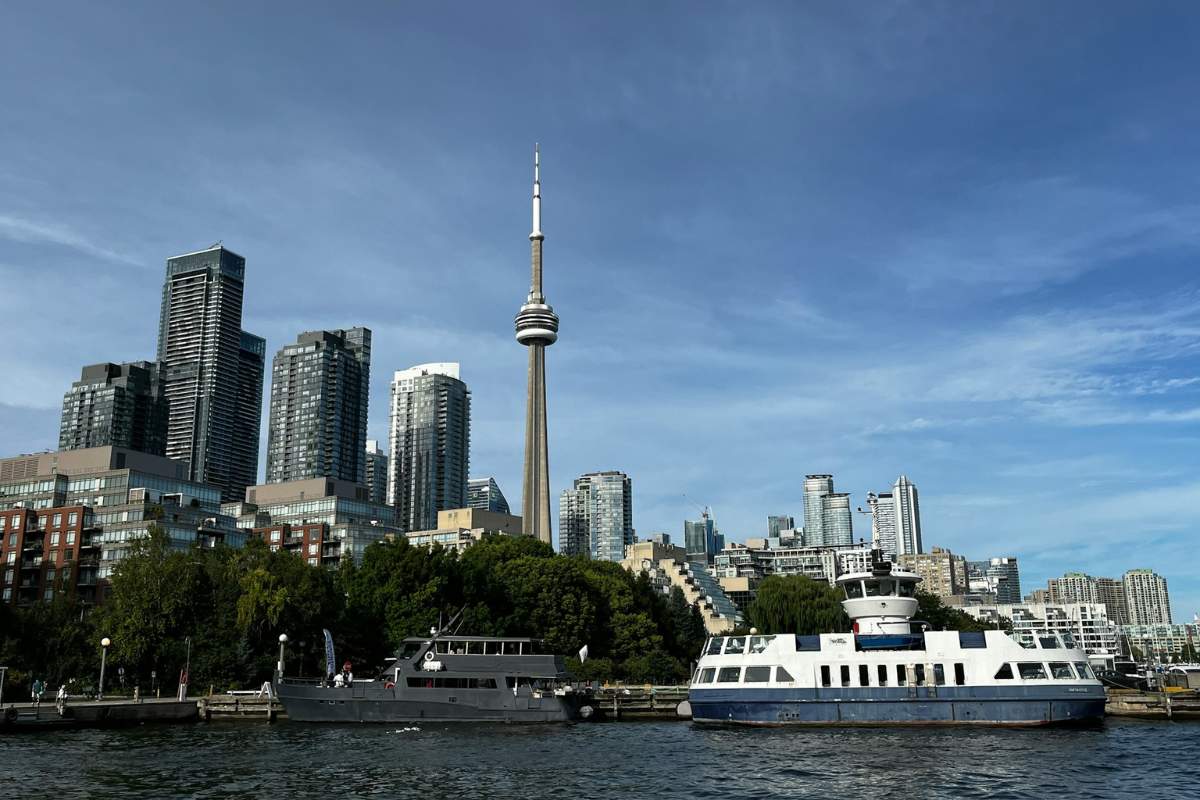 There's a reason Toronto consistently ranks among the world's most liveable cities, and still, somehow, remains chronically underrated by outside travellers.
The city is anchored by a downtown core of glass towers along the lake, crowned by the CN Tower — for decades the tallest free-standing structure on earth. But limit yourself to the downtown core and you'll miss what makes Toronto, well, Toronto. The good stuff lives in the neighbourhoods. Kensington Market for vintage shops and patio bars. The Distillery District for cobblestones and craft chocolate. Queen West for galleries and indie boutiques. Leslieville and Riverside for brunch and design shops. Little Italy on College Street, Greektown on the Danforth, Koreatown on Bloor, Little India on Gerrard. Chinatown — and then several more Chinatowns scattered across the suburbs.
Spring brings cherry blossoms in High Park and patios cautiously emerging after the long winter. Summer is the city at full volume — Caribana, jazz festivals, packed waterfront, ferry rides to the islands. Autumn is gorgeous and arguably Toronto's best season — crisp air, golden trees in the ravines, TIFF turning the city into an open-air red carpet. Winter is genuinely cold, but the city handles it with skating rinks, holiday markets, and an underground PATH network that lets you walk 30 kilometres downtown without going outside.
When to Go
Spring (April–May) is when the city wakes up. Cherry blossoms peak in High Park around late April or early May (check the bloom tracker — it's a thing). Patios reopen, the lake breeze turns soft, and the city is genuinely happy to see the sun. Some early-spring days can still be chilly; pack layers.
Summer (June–August) is Toronto at full power. Festivals every weekend — Pride in June, Caribana in late July/early August, the jazz festival, Taste of the Danforth. The Toronto Islands fill up with picnickers. The patios overflow. Humidity can be heavy, but the energy is hard to beat.
Autumn (September–October) is arguably the best time to visit. The Toronto International Film Festival (TIFF) takes over the first half of September. The trees in the ravines turn gold and red. The light goes soft and cinematic. Restaurants are easier to book and the city feels lived-in.
Winter (December–March) is real Canadian winter — cold, snowy, and long — but Toronto in winter has its charms. Skating at Nathan Phillips Square in front of City Hall. Holiday lights at the Distillery District. Hockey games at Scotiabank Arena. Hot pot in Chinatown. Just dress for it. Seriously.
Getting There
By air: Most international visitors fly into Toronto Pearson International Airport (YYZ), about 25 kilometres northwest of downtown. Billy Bishop Toronto City Airport (YTZ) sits on an island right next to downtown and serves shorter regional flights — if you can fly in via Billy Bishop, do; you'll be downtown 15 minutes after landing.
From Pearson: The UP Express train is the easiest option — 25 minutes from the airport directly to Union Station downtown, every 15 minutes, around $13. Uber and taxis are also plentiful. The TTC's 192 Airport Rocket bus is the cheapest route but considerably slower with luggage.
By train: Via Rail connects Toronto's Union Station to Montreal, Ottawa, Quebec City, and points west. The Toronto–Montreal corridor is comfortable and scenic. Amtrak's Maple Leaf service runs daily to New York City — a long but worthwhile trip.
By car: Toronto sits on Highway 401, North America's busiest highway. Driving in is straightforward; driving within downtown is not. Parking is expensive and traffic is patient-testing. If you have a car, consider parking it for the duration of your stay.
Within the city: The TTC (subway, streetcars, buses) covers the city well. Get a PRESTO card or use a tap-enabled credit card directly at fare gates and on streetcars. The streetcars on Queen, King, College, and Spadina are slow but iconic and great for sightseeing. Uber and Lyft both operate. Bike Share Toronto stations are everywhere downtown — and the city has invested heavily in protected bike lanes in recent years.
Where to Stay
Toronto rewards picking the right neighbourhood almost more than picking the right hotel. Where you sleep shapes the rhythm of your trip.
Downtown / Entertainment District puts you near the CN Tower, sports arenas, theatres, and Union Station. Convenient for a first visit. The St. Regis, Bisha Hotel, The Hazelton (technically Yorkville), and The Ritz-Carlton are top-tier; The Drake Hotel and Ace Hotel Toronto are more design-forward.
Yorkville is the upscale, leafy district near the museums and luxury shopping — Toronto's most polished neighbourhood. Four Seasons Toronto and Park Hyatt Toronto are landmarks here.
Queen West and West Queen West are where the city's creative energy lives — galleries, indie boutiques, cocktail bars, late-night taquerías. The Drake and The Gladstone House are historic boutique hotels with strong arts scenes.
The Distillery District and Corktown are calmer, more historic — cobblestone streets, Victorian industrial architecture, and a slower pace. Great for couples.
Kensington Market and the Annex for a more local, residential, university-adjacent experience. Fewer hotels, but plenty of well-located Airbnbs and B&Bs.
Leslieville and Riverside in the east end for boutique hotels in a more residential, brunch-and-design-shop neighbourhood — less convenient for sights, but a beautiful slice of real Toronto.
Budget tip: The hostels around Queen West and Kensington are clean and well-located, and university residences (especially U of T's downtown campus) rent rooms cheaply in summer.
What to See and Do
The CN Tower and Downtown Waterfront
Start here. You should always start here.
The CN Tower is exactly the touristy, slightly cheesy, completely unmissable thing it sounds like. The view from the main observation deck — 553 metres up — stretches across Lake Ontario, the islands, and the entire city sprawl. The glass floor (yes, really) is genuinely unsettling. The EdgeWalk, a hands-free walk around the outside of the tower, is for a particular kind of traveller; the view from the regular deck is more than enough.
Down at the base, walk east along the Harbourfront — past Sugar Beach (urban beach, pink umbrellas, real sand), Queens Quay's boardwalk, and the ferry terminal.
The Toronto Islands
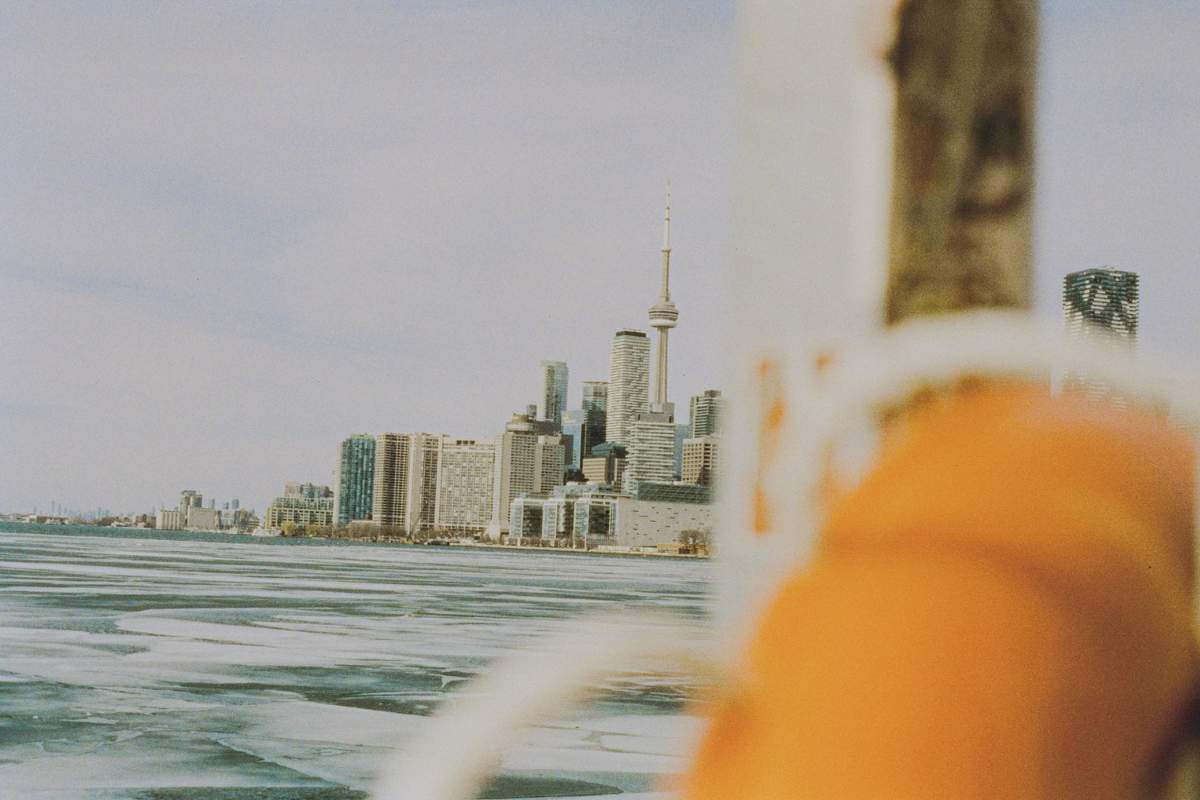 A 13-minute ferry from downtown takes you to one of the city's quiet wonders.
The Toronto Islands are a chain of small, car-free islands sitting just off the downtown shoreline. Beaches, bike paths, picnic spots, a small amusement park (Centreville) for kids, and the single best skyline view of Toronto from the islands' north shore. Bring a picnic, rent a bike at Centre Island, and disappear for an afternoon. On a hot summer day this is the best free thing you can do in the city.
Hanlan's Point, on the western tip, is a clothing-optional beach and a quiet, slightly bohemian end of the islands. Ward's Island, on the east, is a small village of cottage-like homes that feels nothing like the city across the water.
Kensington Market and Chinatown
Two of the city's most beloved neighbourhoods, side by side, walkable in an afternoon.
Kensington Market is a pocket of Victorian houses turned into vintage stores, taquerías, cheese shops, empanada counters, dive bars, and weekend street parties. It's bohemian and chaotic and exactly the kind of neighbourhood every great city needs.
Chinatown, just east on Spadina, is one of North America's largest — full of dim sum halls, banh mi shops, BBQ pork in steamy windows, and hot pot restaurants that get going late. Don't miss a stop at one of the bubble tea spots.
Royal Ontario Museum and the Art Gallery of Ontario
The ROM is Canada's largest museum, with 13 million objects spanning natural history, world cultures, dinosaur skeletons, and a famously polarising glass-and-aluminium Daniel Libeskind addition jutting out of the original 1914 building. Plan at least three hours.
The AGO (Art Gallery of Ontario), reimagined by Frank Gehry (he grew up around the corner), holds an excellent collection — Group of Seven landscapes, Indigenous art, European masters, contemporary work. Wednesday nights are free admission for younger visitors and stay open late.
Add the Aga Khan Museum in Don Mills if you have time — Islamic art and culture in a stunning Fumihiko Maki-designed building, and far less crowded.
The Distillery District
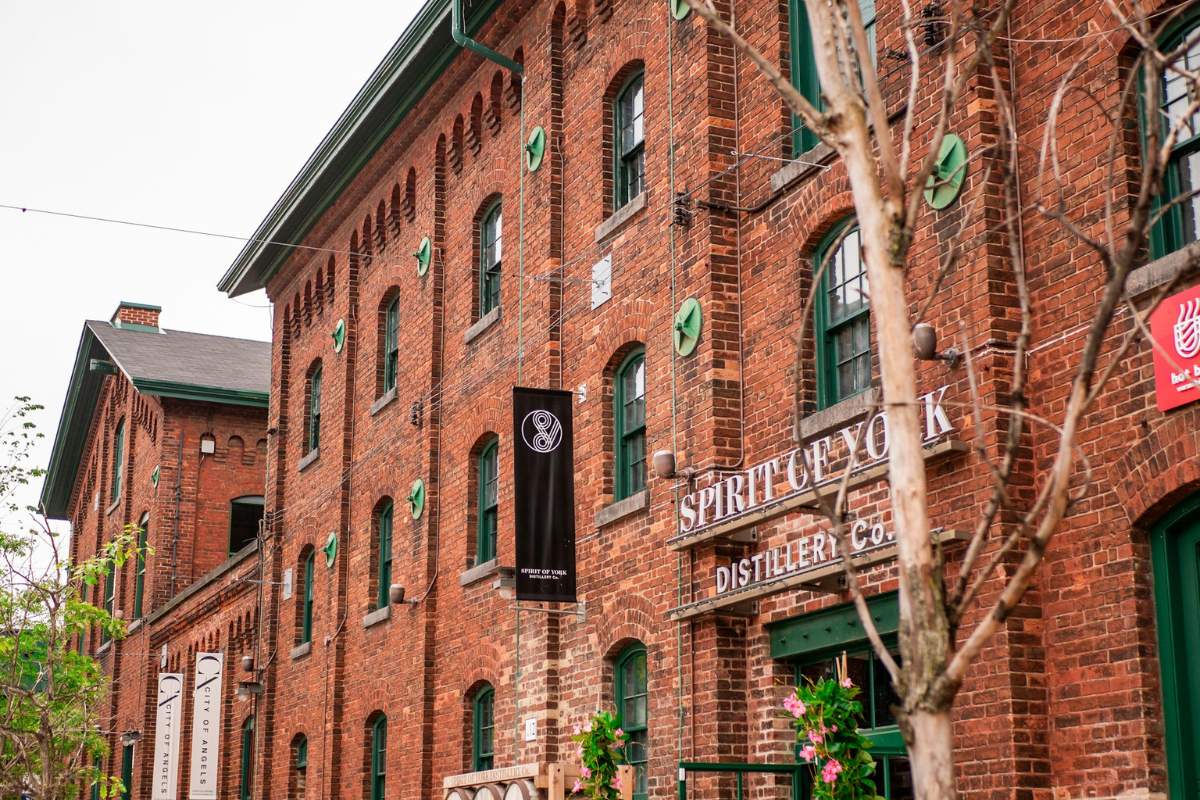
A pedestrian-only Victorian-era industrial complex of red brick warehouses converted into galleries, breweries, restaurants, chocolate shops, and design boutiques. It's beautiful in any season, but especially in winter, when the Toronto Christmas Market lights it up from late November through December.
The cobblestones are pretty in summer, slick in winter. Wear sensible shoes either way.
St. Lawrence Market
A 200-year-old market hall in the city's old east end, regularly listed among the world's best food markets. Get a peameal bacon sandwich at Carousel Bakery (it's the local thing, and yes it's worth it), pick up cheese from the dairy stalls, butter tarts from the bakery counters, and sit by the window watching the city go by.
Casa Loma
Toronto has a castle. A real one — well, a 1914 Gothic Revival mansion designed by the architect of Old City Hall, complete with secret passages, towers, and stables. Casa Loma sits on a hill above the city and looks like it wandered in from a fairy tale. The audio tour is genuinely informative; the gardens in summer are a quiet delight.
A Game at Scotiabank Arena or Rogers Centre
Toronto is a sports city, fiercely. The Maple Leafs (NHL hockey) and the Raptors (NBA basketball, 2019 champions, still beloved) play at Scotiabank Arena. The Blue Jays (MLB baseball) play at the Rogers Centre next door, with a retractable roof and the CN Tower rising right behind centre field. Even if you're not a sports fan, a Toronto crowd in a playoff atmosphere is a genuine experience.
Graffiti Alley
A long, ever-changing alley running parallel to Queen Street West between Spadina and Portland. Some of the city's best street art, repainted constantly by a rotating cast of local artists. Easy to combine with Queen West shopping.
High Park and the Don Valley Ravines
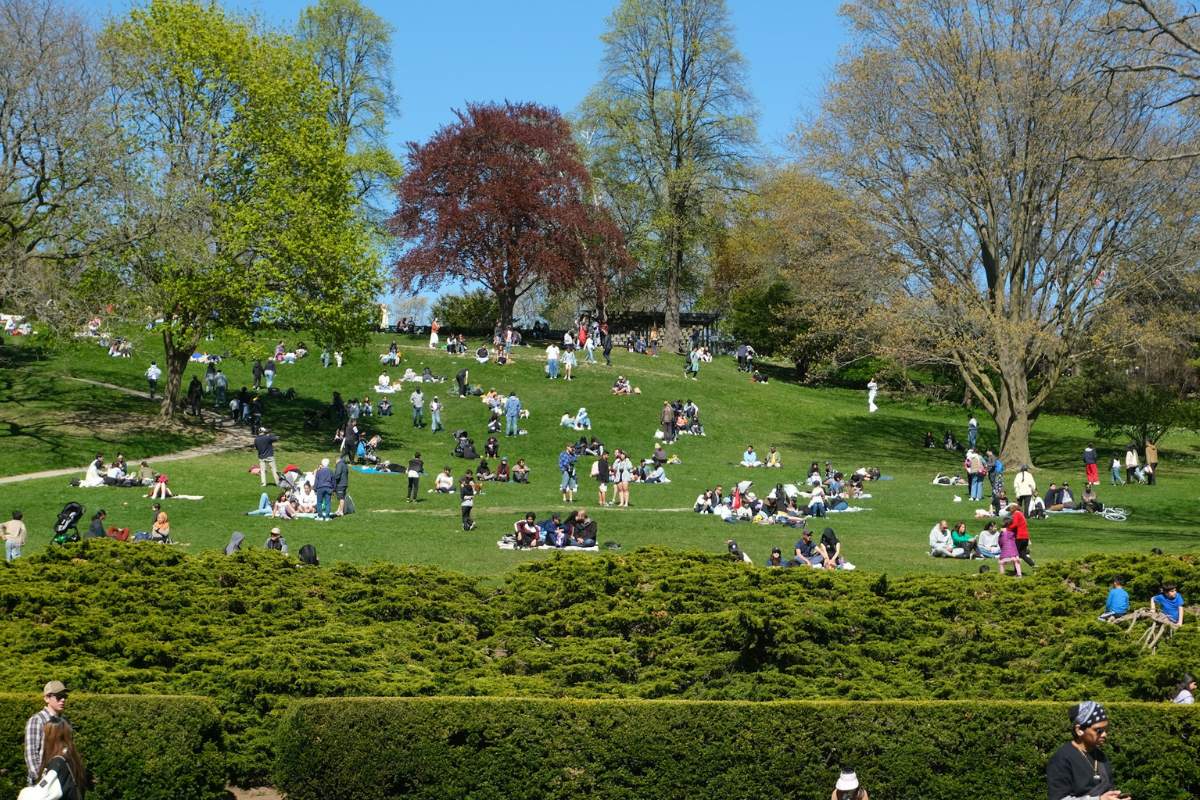
Toronto is built around an extensive network of ravines — wooded river valleys threading through the city, full of hiking trails most visitors never discover. High Park in the west is the city's largest, with cherry blossoms in spring, a small zoo, and a beautiful pond. The Lower Don Trail offers a surprisingly wild bike ride starting just east of downtown.
If you have a car or rent one for a day, Scarborough Bluffs on the eastern lakeshore offer dramatic clay cliffs dropping into Lake Ontario — a side of Toronto almost no tourist sees.
Day Trip: Niagara Falls
About 90 minutes south of the city, Niagara Falls remains, despite its tourist-trap reputation, genuinely spectacular. Skip most of the kitsch on Clifton Hill and focus on what actually matters: the Hornblower boat ride right to the foot of the falls (you will get wet) and the walking paths along the gorge. A wine tour of Niagara-on-the-Lake afterwards adds a beautifully civilised second act.
Where to Eat and Drink
This is where Toronto quietly destroys most of its peer cities.
Dim sum: Rosewood and Lai Wah Heen for the high-end version, Asian Legend for the casual classic, or head out to Markham or Richmond Hill for the genuinely world-class suburban dim sum scene.
Italian: Buca for refined regional Italian, Pizzeria Libretto for proper Neapolitan pizza, Sotto Sotto for celebrity-spotting in Yorkville.
Indian and South Asian: Drive (or subway) east to Gerrard India Bazaar for the city's best South Indian. Pukka in the Annex for elegant modern Indian. Lahore Tikka House for Pakistani BBQ in a riot of a dining room.
Caribbean: Roti shops are a Toronto institution — Bacchus Roti, Drupati's, and dozens of small storefronts in the west end. Patties from Patty King or Randy's.
Greek: Walk the Danforth on a summer evening and pick wherever smells best. Mamakas Taverna is the modern flagship.
Modern Canadian / fine dining: Alo (the city's best tasting menu, regularly globally ranked), Edulis, Quetzal, Don Alfonso 1890. Reserve weeks ahead.
The peameal bacon sandwich at Carousel Bakery in St. Lawrence Market — the genuinely Toronto food experience.
Cocktails: Bar Raval (Antoni Gaudí–inspired room, vermouth and pintxos), Civil Liberties in the Annex, Pretty Ugly on Queen West, Bar Pompette for natural wine.
Coffee: Sam James Coffee Bar, Pilot Coffee Roasters, Dineen Coffee in a beautifully restored 1897 building, Ezra's Pound in the Annex.
Late night: Toronto kitchens close earlier than New York or Mexico City. For after-midnight cravings: Chinatown's Swatow for Cantonese, Koreatown's late-night BBQ joints, or a slice from Pizzaiolo.
Practical Tips
Get a PRESTO card or use tap-to-pay. Every TTC fare gate, streetcar, and bus accepts contactless credit cards directly. No need for paper tickets.
Tipping is real and expected. 18–20% at sit-down restaurants, $1–2 per drink at bars, 15% for taxis. Tip jars at coffee shops are optional but appreciated.
Check the weather seriously and pack accordingly. Summer can hit 32°C with humidity; winter can drop to -20°C with wind chill off the lake. Spring and autumn flip rapidly. Layers are non-negotiable.
Toronto is a very safe major city. Apply normal big-city common sense. The areas you'll mostly visit — downtown, Queen West, the Annex, Kensington, Yorkville, the Distillery — are comfortable to walk in day and evening.
Cannabis is legal. You'll see licensed dispensaries everywhere. Public consumption rules are similar to alcohol — not in parks, not on sidewalks. Don't be the tourist who lights up in front of City Hall.
The PATH is your winter friend. Toronto's downtown has an underground pedestrian network spanning 30 kilometres, connecting most major office buildings, malls, hotels, and Union Station. In January, you'll be grateful.
Streetcars are slow but fun. They share lanes with cars in many places. Don't take one if you're in a hurry; do take one for the cinematic experience.
Niagara Falls is doable in a day, but plan ahead. Go via GO Train + WEGO bus, or rent a car. Either way, leave early.
Don't try to see only downtown. This is the cardinal Toronto tourist mistake. The neighbourhoods are the city. Pick three or four that sound interesting and explore them on foot.
How Long Do You Need?
A long weekend (3–4 days): Time for the CN Tower, the Toronto Islands, a museum, Kensington Market and Chinatown, the Distillery District, and a few great meals. You'll leave wanting more. People do.
One week: Add a day trip to Niagara Falls, deeper neighbourhood exploration (Leslieville, the Annex, Greektown), a sports game, and a slow afternoon in High Park or one of the ravines. This is the right amount for a first proper visit.
Two weeks: Now you can really meet the city. Day trips to Prince Edward County's wineries, Stratford for a Shakespeare festival, the Muskoka lakes in summer or Blue Mountain in winter. Time for Scarborough's underrated food scene, the Aga Khan Museum, baseball games, jazz nights on College Street, and weekend brunches that turn into afternoon walks.
There is no such thing as enough time in Toronto.
Final Thoughts
Toronto is a city that rewards patience. It doesn't sell itself the way New York, Paris, or Tokyo do — it doesn't have to. What it has is depth. The kind that takes a few days to register, and then suddenly you're noticing it everywhere — in the way three different languages drift past you on a single block, in the way a Caribbean roti shop sits next to a Vietnamese pho spot next to a Portuguese bakery, in the quiet civic pride that runs underneath the Canadian politeness.
It's a city where the future of cities is, in some ways, already happening — what a global, multicultural, dense, walkable, deeply varied urban life can actually feel like. And it's a city that's still figuring itself out, gentrifying and changing and arguing with itself in the way all great cities do.
People who visit once tend to come back. People who come back start checking flight prices for film festival season. People who move here complain about the winters and stay for decades.
It will still manage to surprise you. Every single time.
Pack layers. Bring an appetite. Get out of downtown.
The city is waiting.


