Banff National Park: The Complete Travel Guide to Canada's Most Breathtaking Wilderness
April 1, 2026 · TripOnly

Banff National Park: The Complete Travel Guide to Canada's Most Breathtaking Wilderness
There are places that look exactly like their photographs. And then there are places that make you realize photographs are lying — that no lens, no filter, no perfectly timed golden-hour shot can prepare you for the moment you first see Lake Louise.
Banff is that place.
Canada's oldest and most celebrated national park sits in the heart of the Canadian Rockies in Alberta, a UNESCO World Heritage Site spanning over 6,600 square kilometres of raw, staggering wilderness. Glaciers. Canyons. Hot springs. Bears. And those lakes — those impossibly, almost offensively turquoise lakes.
Whether you're chasing powder on world-class ski slopes, hiking ridgelines above the treeline, or simply sitting on a lodge deck watching the mountains turn pink at dusk, Banff has a way of getting under your skin. People come for a long weekend and start looking at Canadian immigration forms by Tuesday.
This is everything you need to know.
Why Banff?
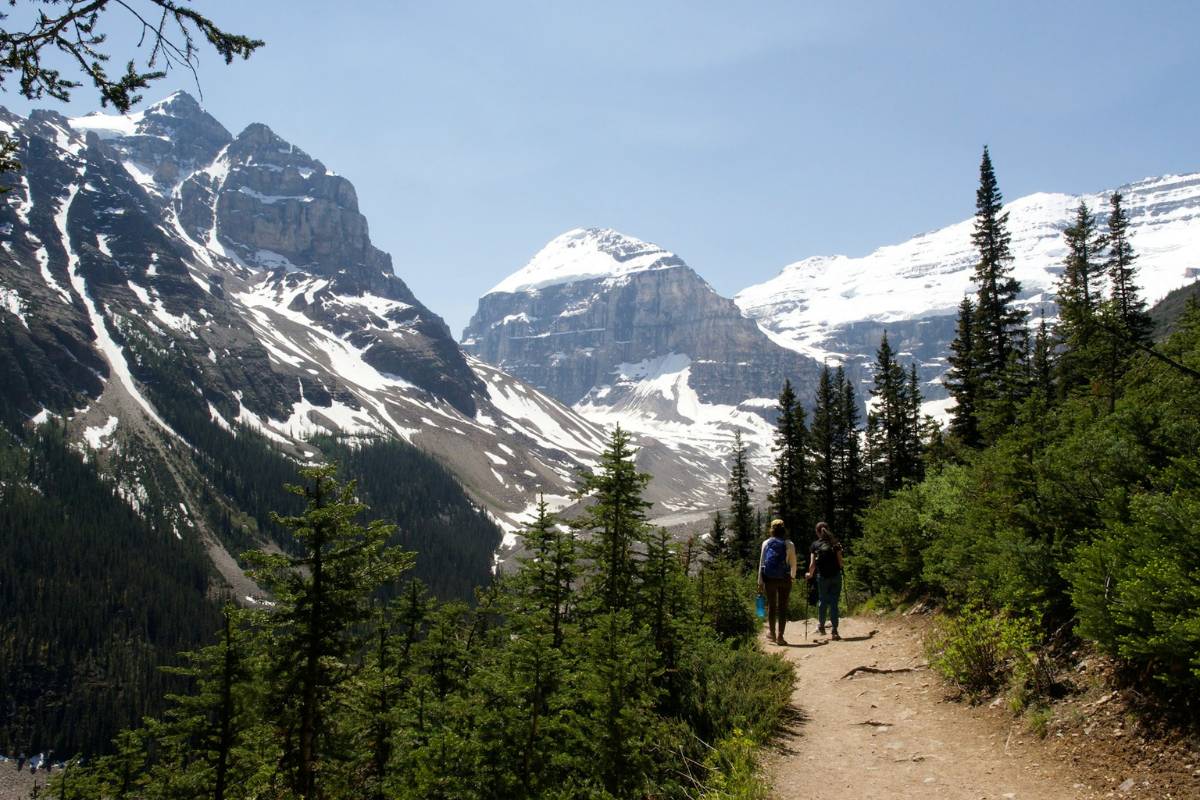 There's a reason Banff receives over four million visitors a year and still feels, in its quieter corners, like you're the only person on earth.
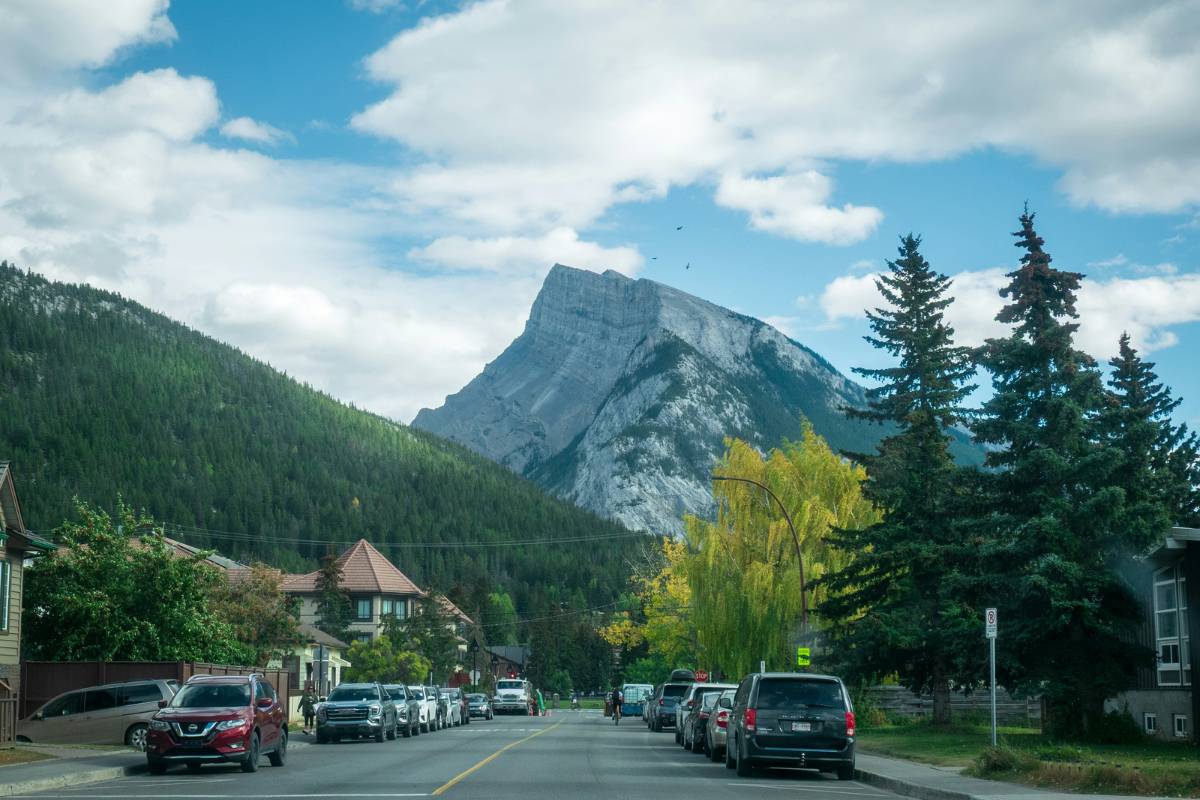
The park is anchored by the town of Banff itself — a surprisingly lively little mountain town with excellent restaurants, craft breweries, art galleries, and boutique hotels, all against a backdrop of soaring peaks. From there, the Icefields Parkway stretches north toward Jasper, widely considered one of the most scenic drives on the planet. In between: waterfalls, wildlife, glacial lakes, and enough hiking trails to keep you busy for a lifetime.
Summer brings wildflower meadows and mirror-still lakes. Winter transforms the whole park into a monochrome wonderland, all frost-covered pines and frozen waterfalls. Spring and autumn? They're Banff's best-kept secrets — fewer crowds, moody skies, and the kind of light that makes amateur photographers look like pros.
When to Go
Summer (June–August) is peak season for a reason. Trails are fully accessible, lakes are at their most vibrant, and the weather is warm enough for t-shirts on the trail and campfires at night. Book accommodation months in advance — sometimes a full year ahead for the iconic Fairmont Chateau Lake Louise.
Winter (December–March) is a completely different beast and absolutely worth it. The ski resorts at Lake Louise, Sunshine Village, and Mount Norquay are world-class. Ice skating on frozen lakes. Aurora borealis dancing over the peaks. Christmas in the mountains, as good as it sounds.
Shoulder seasons — late September through October for golden larches, and May for the thaw — offer a quieter, moodier Banff that rewards the flexible traveller. Fewer tour buses. Better photography. Easier restaurant reservations.
Getting There
By air: Fly into Calgary International Airport (YYC), approximately 90 minutes from Banff by car or shuttle. Multiple direct international flights connect here daily.
By car: The Trans-Canada Highway runs directly through the park. Renting a car is highly recommended — the park rewards wandering, and many of the best spots are off the main road.
By bus: Brewster Express and Banff Airporter run reliable shuttles between Calgary Airport and the town of Banff. Roam Transit operates locally within the park in summer, connecting major sites without the parking headache.
Where to Stay
Banff rewards its accommodation choices. The range spans from backcountry tent pads to one of the most famous hotels in the world.
The Fairmont Chateau Lake Louise is a full-on pilgrimage. Perched directly on the lakeshore, its château-style towers reflected in the turquoise water below, it's obscenely beautiful and yes, priced accordingly. Stay here at least once in your life. Splurge.
The Fairmont Banff Springs — the "Castle in the Rockies" — is its sibling property in town, a grand Victorian-era hotel with spa facilities, multiple restaurants, and the kind of corridors that make you want to dress for dinner.
Moose Hotel & Suites offers rooftop hot tubs with mountain views and a boutique-hotel feel at a fraction of the Fairmont prices.
Tunnel Mountain Resort and other cabin-style properties outside town provide a quieter, more immersive forest experience — perfect for early morning wildlife sightings from your porch.
Camping: Tunnel Mountain and Two Jack Lake campgrounds are perennial favourites. Book via Parks Canada's reservation system the moment it opens each spring.
What to See and Do
Lake Louise
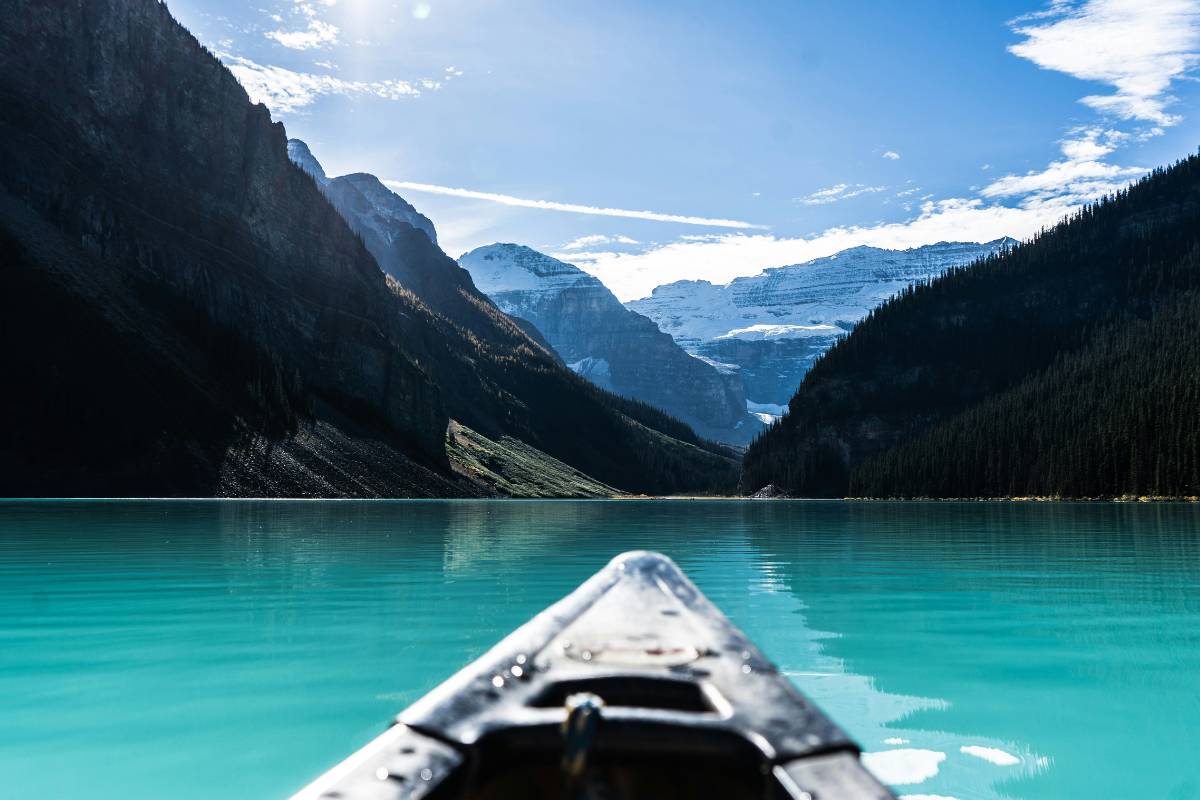 Start here. You have to start here.
Lake Louise is the park's most famous landmark for excellent reason: the colour of the water — a blinding, supernatural turquoise fed by glacial meltwater — is unlike anything in the natural world. The Victoria Glacier at the far end of the lake, the teahouse partway up the trail, the canoes drifting in summer — it's almost aggressively picturesque.
Get there early. Sunrise here, with the first light catching the peaks above, is one of the great experiences Canada has to offer. The crowds arrive after 9am and by noon the parking lot is chaos.
Moraine Lake
If Lake Louise is Banff's famous face, Moraine Lake is the one that stops you cold.
Cradled by the Valley of the Ten Peaks, Moraine Lake has one of the most iconic views in North America — it was once the image on the Canadian $20 bill. The water is somehow even more saturated than Louise, a crayon-blue that photographers spend their careers chasing.
Moraine Lake Road is reservation-only in summer. Book a shuttle or parking pass well in advance, or take the Parks Canada bus from Lake Louise.
The Icefields Parkway
Rent a car and drive north.
The 232-kilometre Icefields Parkway connecting Banff and Jasper is routinely listed among the world's great scenic drives, and it earns every word of that reputation. Glaciers calving off into lakes. Waterfalls. Elk on the roadside. The massive Columbia Icefield, where you can walk on a glacier.
Give it at least a full day. Give it two if you can.
Johnston Canyon
One of the park's most popular hikes, and deservedly so. The Lower Falls (2.7km round trip) are accessible and spectacular; the Upper Falls (5.4km round trip) add dramatic vertical height. In winter, the frozen canyon becomes an ice walk unlike anything else in the Rockies.
Sunshine Meadows and Ski Resort
In summer: take the gondola up to Sunshine Meadows for high-alpine hiking above the treeline, wildflowers in every direction, and views that stretch to the horizon.
In winter: Sunshine Village is one of Canada's finest ski resorts, with over 3,300 acres of terrain and exceptional snowpack. Add Lake Louise Ski Resort next door for a complete ski holiday.
Banff Upper Hot Springs
Sore from hiking? The Banff Upper Hot Springs have been soothing tired muscles since 1886. A historic thermal pool at 1,585m elevation, with mountains on every side. Undemanding, deeply restorative, and very popular — go early or late in the day.
Wildlife Watching
This is a working wilderness. You will see animals here.
Elk are practically residents of the town of Banff — don't be surprised to find them grazing on hotel lawns. Bighorn sheep cluster near the roads east of town. Early mornings and evenings offer the best chances of spotting black bears, grizzlies, wolves, and moose.
If wildlife is a priority: hire a wildlife guide, keep your distance (the park takes this seriously), and never, under any circumstances, approach a bear for a photograph.
Where to Eat and Drink
Banff town punches well above its weight for a mountain settlement of 8,000 people.
The Maple Leaf offers elevated Canadian cuisine — Alberta beef, wild game, Pacific salmon — in a warm dining room right on Banff Avenue. Reserve ahead.
Farm & Fire at the Sunshine Mountain Lodge serves wood-fired everything in a cozy après-ski setting. The flatbreads and rotisserie meats are exceptional.
Coyotes Southwestern Grill is the local favourite: casual, colourful, and reliably excellent for breakfast and lunch.
Banff Ave Brewing Co. for post-hike craft beers on the rooftop patio — the mountain views are a fine argument for a second pint.
The Bison Restaurant for upscale comfort food and an impressive Alberta bison menu. One of the town's best kitchens.
For coffee: Whitebark Cafe at the Rimrock Resort Hotel, for the view alone.
Practical Tips
Buy a Parks Canada Discovery Pass. If you're spending more than a couple of days in Banff, an annual pass pays for itself fast and covers all national parks in Canada.
Book everything early. Banff is not a place you wing in summer. Accommodation, dining reservations, parking passes for Moraine Lake — sort these months ahead.
Download the Parks Canada app. Real-time trail conditions, wildlife alerts, and shuttle bookings.
Layer ruthlessly. Mountain weather changes in minutes. A morning hike in sunshine can turn to hail by early afternoon. Always carry a waterproof layer, regardless of the forecast.
Respect the wildlife rules. Minimum 30 metres from elk and deer; 100 metres from bears and wolves. Bears can run at 55km/h. Carry bear spray and know how to use it.
Leave No Trace. Banff is a protected wilderness. Pack out everything you pack in. Stay on trails. Don't pick wildflowers. This place needs to be here for the next generation too.
How Long Do You Need?
A long weekend (3–4 days): Time for the main sites — Lake Louise, Moraine Lake, Johnston Canyon, the hot springs, and a good meal or two in town.
One week: Add a drive along the Icefields Parkway, a day hike above the treeline, and time to actually sit and breathe.
Two weeks: Explore the backcountry. Do the Skoki Loop or the Rockwall Trail. Take a side trip into Yoho and Kootenay National Parks on either side of the border.
There is no such thing as enough time in Banff.
Final Thoughts
Banff is the kind of place that changes your relationship with scale. The mountains here aren't backdrop — they're presence, weight, something that presses gently on your chest and reminds you how small and how lucky you are.
People who visit once tend to come back. People who come back start checking real estate listings in Calgary. People who stay end up hiking the same trail every year in every season just to see how it changes.
It will still manage to surprise you. Every single time.
Pack your hiking boots. Bring the good camera. Book early.
The mountains are waiting.


