Dubrovnik, Croatia: The Pearl of the Adriatic
April 1, 2026 · TripOnly

Dubrovnik, Croatia: The Pearl of the Adriatic
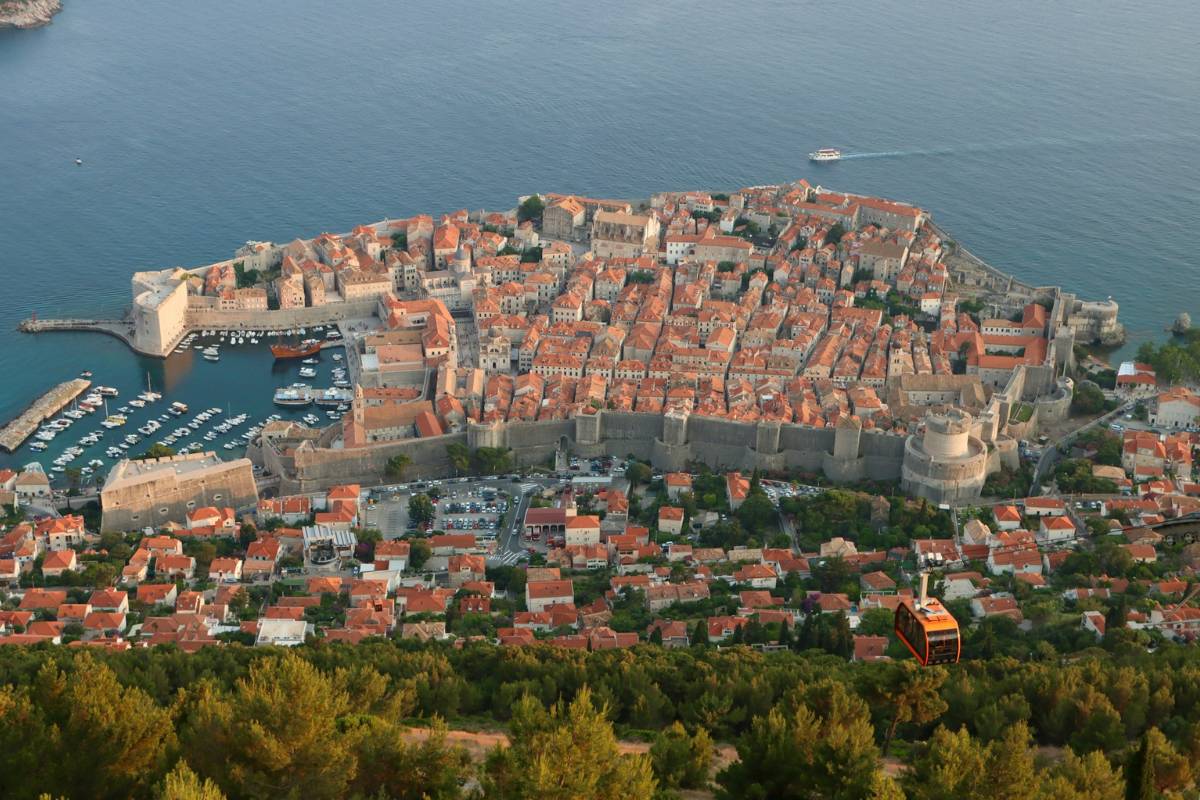
Few cities in the world make an entrance quite like Dubrovnik. As your bus rounds the final curve of the coastal road from the north, the Old Town suddenly appears below — a compact mass of terracotta rooftops enclosed within massive stone walls, surrounded on three sides by the deep blue of the Adriatic. It's a view that stops conversations mid-sentence.
Lord Byron called it "the pearl of the Adriatic." George Bernard Shaw wrote that "those who seek paradise on earth should come to Dubrovnik." Hyperbole, perhaps — but standing on the city walls at golden hour, it's hard to argue.
Getting There
Dubrovnik is well connected by air, with its own international airport (DBV) about 20 km southeast of the city. From the airport, Atlas buses run regularly into the Old Town bus terminal, or taxis and ride-shares take around 30 minutes.
From Split, the most scenic option is the Jadrolinija coastal ferry — a slow, beautiful journey down the Dalmatian coast that takes around 8–9 hours but passes dozens of islands along the way. Buses from Split take about 4.5 hours overland and pass through Bosnia's 9 km coastal strip at Neum, so bring your passport.
If you're arriving from Montenegro, the border crossing at Debeli Brijeg is usually smooth and the drive along the Bay of Kotor before it is spectacular.
Where to Stay
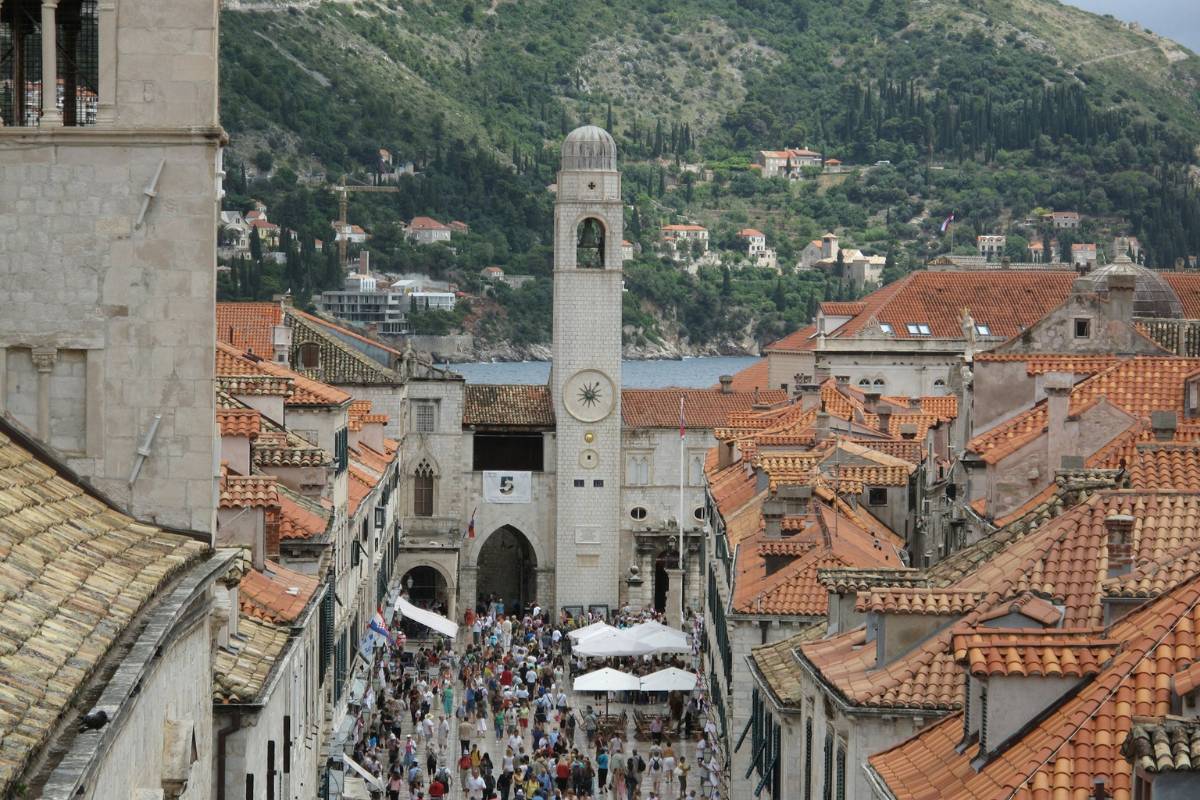 Inside the Old Town is magical for the first night — waking up inside the walls, with the Stradun just outside your door, is an experience worth the premium. Small guesthouses like Apartments Amoret or Fresh Sheets Hostel offer atmosphere without emptying your wallet entirely.
Lapad Peninsula, a 15-minute bus ride west, is quieter, greener, and significantly more affordable. It has its own pleasant promenade, several good restaurants, and easy access to the Old Town via the #4 and #6 buses.
Ploče, just east of the Old Town gate, offers some of the most dramatic sea views in the city — along with steep prices to match.
One note: Dubrovnik sees enormous crowds in summer (June–August), particularly when multiple cruise ships dock simultaneously. If you have flexibility, late April, May, or October are significantly more pleasant for exploring on foot.
Find your ideal stay in Dubrovnik—from Old Town apartments to stunning sea-view hotels.
Book early in peak season to secure the best views and prices.
What to Do
Walk the City Walls
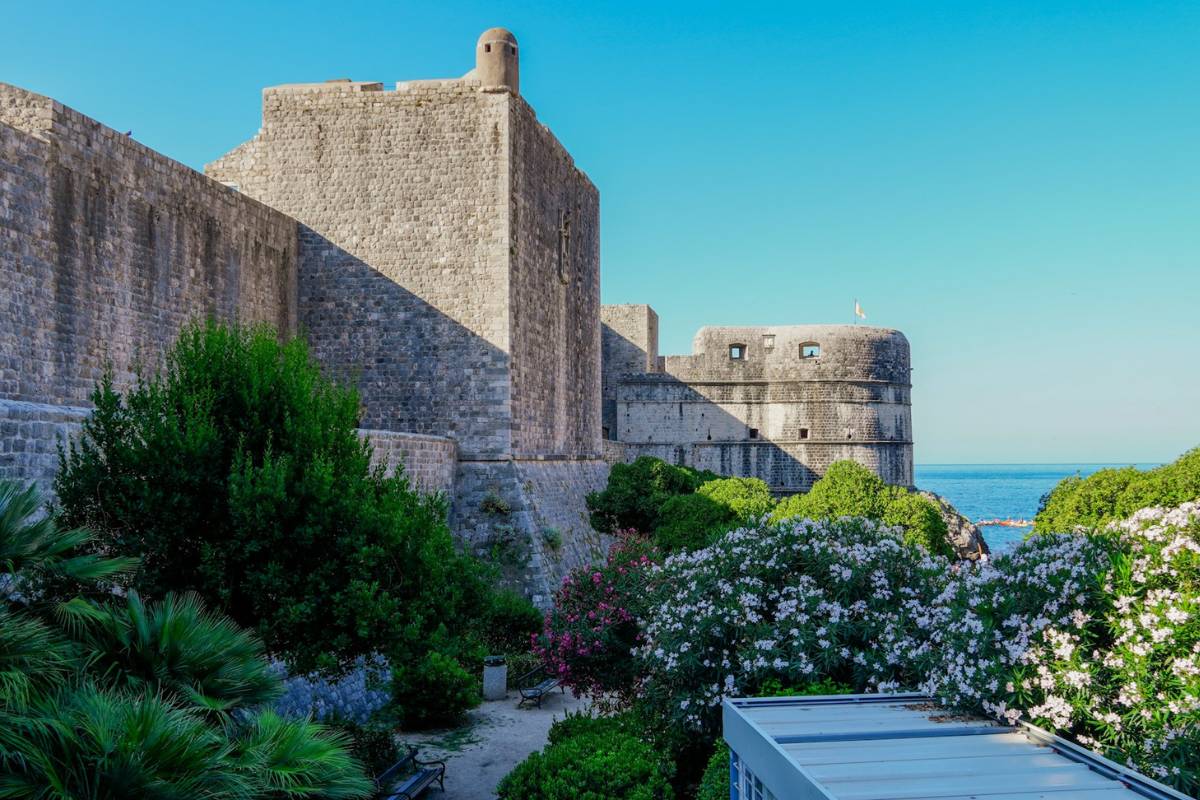 The walls are the heart of any Dubrovnik visit, and for good reason. The full circuit is about 2 km, with towers, bastions, sea views, and rooftop glimpses into the life of the Old Town below. Entry is expensive (around €35 for adults), but it's the single most worthwhile thing you'll do here.
Go early — by 9 AM if possible. By mid-morning the walls are packed, and the exposed limestone reflects heat mercilessly in summer.
The Stradun
Dubrovnik's main pedestrian street runs straight as an arrow through the heart of the Old Town, paved in polished limestone that shines like marble in the afternoon light. It's lined with cafes, churches, and the kind of baroque architecture that feels almost too perfect to be real.
In the morning it belongs to locals running errands and cafe owners stacking chairs. By noon it belongs entirely to tourists.
Lokrum Island
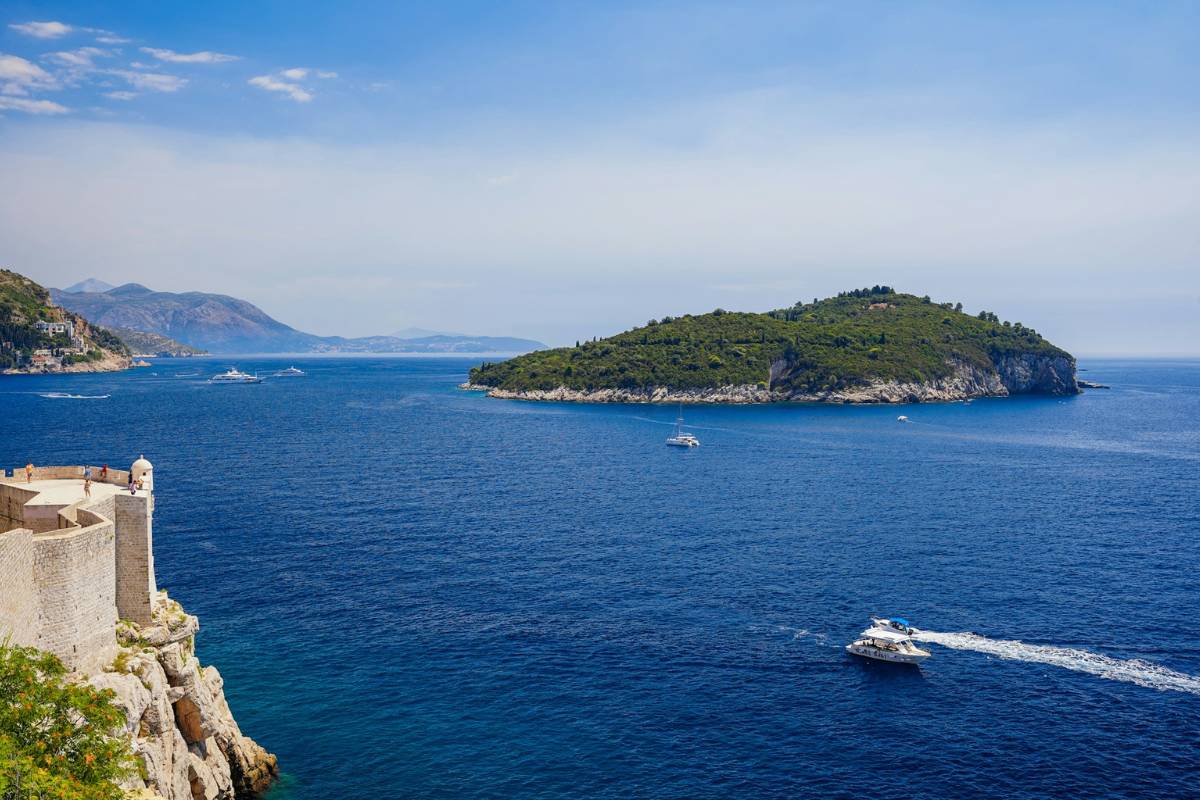 A ten-minute boat ride from the Old City Port, Lokrum is a small forested nature reserve with no permanent residents, a ruined Benedictine monastery, a saltwater lake called the Dead Sea, rocky swimming spots, and free-roaming peacocks. Day trips run frequently in season and cost around €15 return.
It's an excellent antidote to the density of the Old Town.
Fort Lovrijenac
Perched on a 37-metre cliff just outside the western walls, this free-standing fortress is one of Dubrovnik's most dramatic structures. The inscription above the gate reads: Non bene pro toto libertas venditur auro — "Freedom is not sold for all the gold in the world." The city's medieval motto, and still deeply felt here.
Game of Thrones fans will recognise it as the Red Keep. Bring that up at your own discretion.
Buža Bars
Two bars ("buža" means "hole in the wall" in Croatian cling to the rocks outside the southern city wall, accessible only through literal holes cut into the stone. Cold drinks, sun-bleached wood, crystal-clear water below, and the kind of atmosphere that turns a beer into a two-hour affair. The upper Buža is slightly less crowded; both are worth finding.
Food & Drink
Dubrovnik is not a budget food destination, particularly inside the walls. But eating well is possible with a little navigation.
Konoba Jezuite, tucked into a side alley near the Jesuit church, serves solid Dalmatian standards — grilled fish, black risotto, lamb dishes — without the Stradun premium. Arrive before 7 PM or expect a wait.
Nishta is the city's best vegetarian restaurant, and genuinely excellent even for committed carnivores. Small, always busy, worth the queue.
For breakfast and coffee, follow locals away from the Stradun. The streets around the market near the Pile Gate area have bakeries and cafes where a coffee still costs €1.50 instead of €4.
Plavac Mali is the local red wine to look for — a robust, dark Dalmatian variety made from the same grape as Zinfandel. Order by the glass, ask where it's from, and you'll have a conversation starter with any waiter who cares about their list.
Practical Notes
- Getting around the Old Town: It's entirely pedestrianised and compact — about 800m from one gate to the other. All distances are walkable.
- Crowds: Dubrovnik is one of Croatia's most visited destinations and actively managing overtourism. Summer is genuinely overwhelming. May and September–October are the sweet spots.
- Currency: Croatia joined the Eurozone in 2023, so euros throughout.
- Swimming: The Old Town itself has limited beaches, but rocky swimming spots exist just outside the walls. Banje Beach east of the Ploče Gate is the closest organised beach.
- Day trips: The Elaphiti Islands (Koločep, Lopud, Šipan) are reachable by ferry and offer a quieter, unhurried version of Dalmatian island life.
A Few Honest Words
Dubrovnik is, at peak season, a victim of its own perfection. The Old Town can feel more like a stage set than a living neighbourhood when 10,000 cruise passengers descend simultaneously. Some of the magic gets crowded out.
But arrive in the quiet of early morning, or linger after the day-trippers have left and the golden light softens everything, and you'll find what all those centuries of superlatives were actually about. The walls are real. The sea really is that colour. The city genuinely is that beautiful.
Come in the shoulder season. Walk the walls at dawn. Find a Buža bar and stay longer than you planned.
It earns its reputation.


