Tokyo, Japan: The Complete Travel Guide to the World's Most Extraordinary City
March 30, 2026 · TripOnly

Tokyo, Japan: The Complete Travel Guide to the World's Most Extraordinary City
Tokyo doesn't ease you in. The moment you step off the Narita Express and into the organized chaos of Shinjuku Station — the world's busiest, with 200 exits — you understand that this city operates on a frequency entirely its own. It is simultaneously the most overwhelming and most navigable city on earth, a place where ancient ritual and hyper-modernity don't just coexist, they genuinely need each other.
Most visitors give Tokyo five days. Tokyo deserves five weeks. This guide will help you make peace with that impossible arithmetic.
Why Tokyo, Why Now
The city has always been extraordinary. But the post-pandemic years have quietly transformed it into something even more compelling: a destination where the crowds have thinned out in the right places, the food scene has exploded beyond anything imaginable, and the neighborhoods that locals actually love — Yanaka, Shimokitazawa, Nakameguro — are finally getting the attention they deserve.
The yen's favorable exchange rate hasn't hurt either. Tokyo, long considered expensive, is suddenly one of the world's great value capitals. A life-changing bowl of soba costs three dollars. A Michelin-starred omakase costs what a mid-range European dinner would. A craft sake bar in Golden Gai costs almost nothing and will change how you think about drinking.
Come now, before everyone else figures this out.
The Neighborhoods Worth Your Time
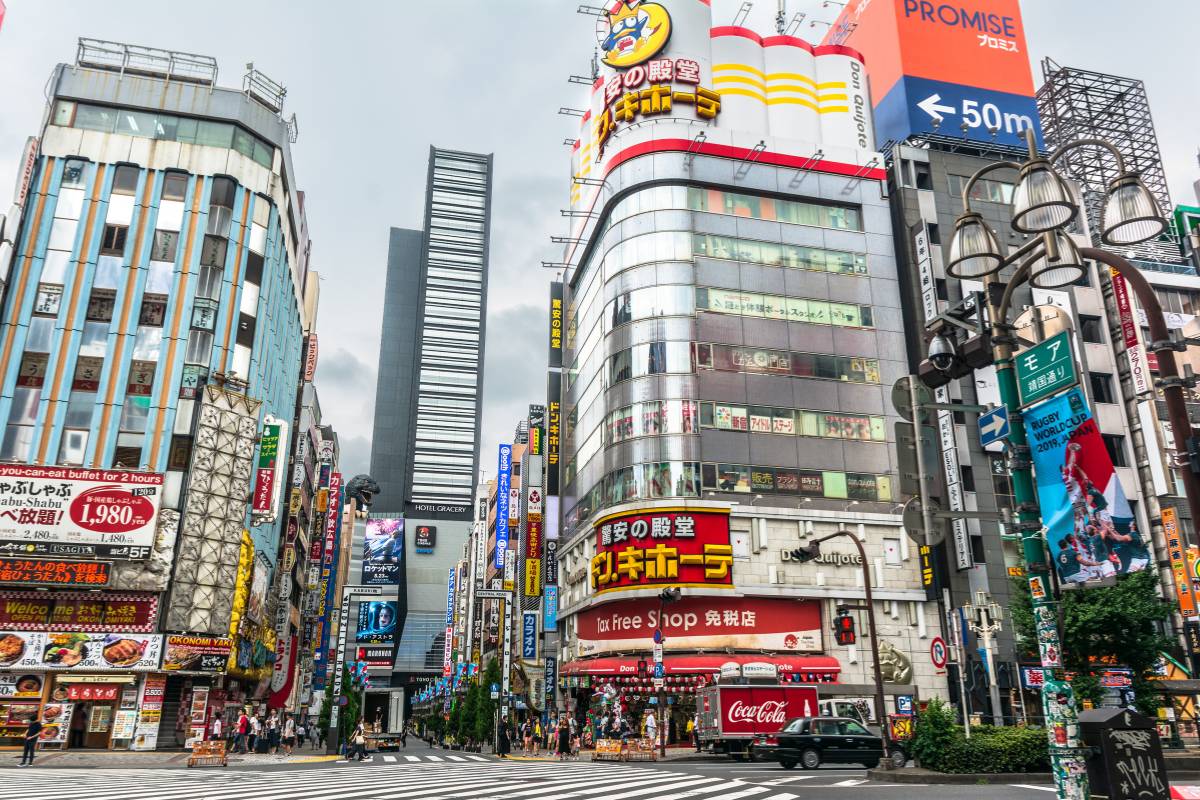 Shinjuku is the city at maximum volume — the skyscrapers, the neon, the department stores stacked 14 floors high, the izakayas that seat eight people and have been run by the same family for forty years. Golden Gai is here: a warren of tiny bars in wooden buildings that somehow survived postwar redevelopment, each one a different personality, a different playlist, a different reason to stay until 3am.
Shibuya gives you the crossing. You've seen it in photographs and films and it still stops you cold — hundreds of people streaming across from every direction, somehow never colliding, in perfect urban choreography. But stay past the crossing: Daikanyama is a ten-minute walk south and feels like a completely different city — quiet, considered, full of independent bookshops and coffee roasters and the kind of boutiques where the staff actually care what you think.
Yanaka is old Tokyo. The temples, the narrow lanes, the cemetery that doubles as a park where locals walk their dogs between grave markers, the artisans who still make things by hand in workshops that haven't changed since the 1960s. It survived the firebombing. It survived the earthquake. It survived development. Come here to understand what the rest of the city used to feel like.
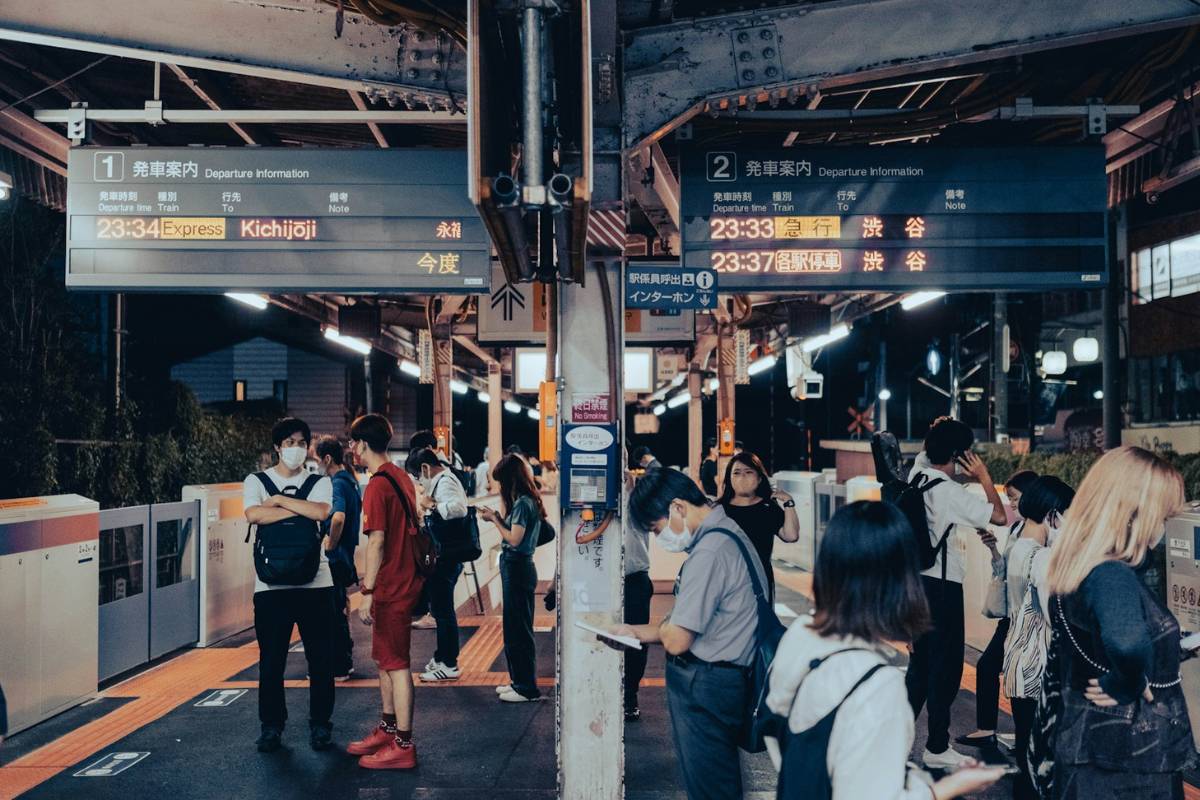 Shimokitazawa has the energy of a university town and the style of a city that doesn't try too hard. Vintage clothing shops, tiny live music venues, Thai restaurants operating out of spaces the size of a hallway, a covered market full of people who look like they're in bands — because they probably are. This is where Tokyoites go when they want to relax.
Nakameguro is at its best in cherry blossom season, when the canal banks turn pink and the whole city seems to migrate here. But the canal-side coffee shops, the record stores, the Japanese designers who set up shop here because the rents were manageable and the neighborhood had taste — these exist year-round and are worth seeking out.
What to Eat (A Serious Subject)
Tokyo has more Michelin stars than any city on earth. This is interesting trivia but it will not help you eat well. What will help you eat well: ignoring rankings entirely and paying attention to where the lines are forming.
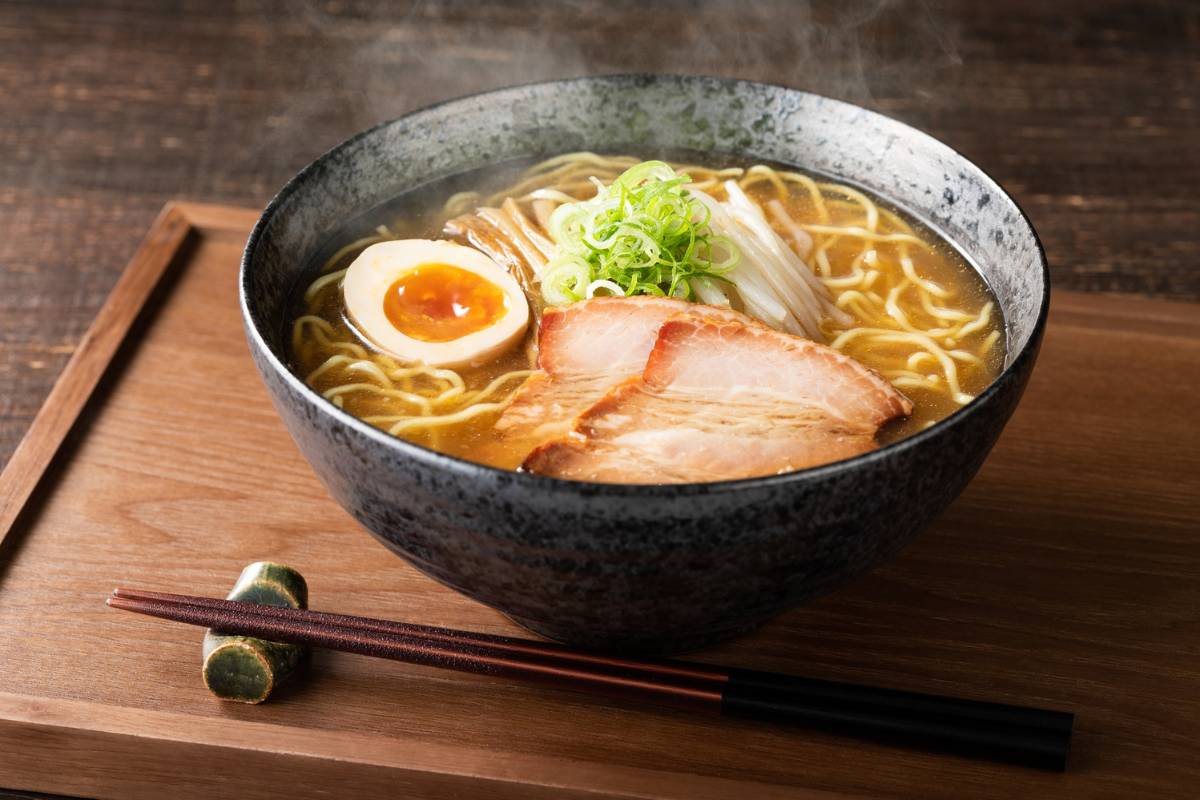 Ramen here is a religion with sects. Tonkotsu (pork bone broth, rich and cloudy), shoyu (soy-based, cleaner, more elegant), miso (northern-style, hearty), shio (salt-based, delicate, often seafood). Each district has its loyalists. The right bowl costs around ¥900. Order from the vending machine at the entrance, hand the ticket to the chef, add your half-cooked egg and sheet of nori, and eat in focused silence.
Sushi at the counter is a different experience from sushi anywhere else. At a proper omakase — even a modest one — the chef makes decisions for you based on what arrived from the market that morning. You eat what's perfect today. This is the correct way to do it.
Izakayas are the backbone of Tokyo's social life: informal Japanese gastropubs where the food comes in small dishes designed for sharing and the beer and sake flow freely. The best ones are slightly hard to find, slightly underground, slightly too small. Look for the ones with handwritten menus and no English translation.
Convenience store food is not a consolation prize. The onigiri at 7-Eleven — the salmon, the tuna mayo, the pickled plum — are genuinely excellent. The egg salad sandwiches have inspired international obsessions. The hot foods section at Lawson at midnight is one of Tokyo's underrated pleasures.
Depachika — the food halls in the basements of department stores — deserve an hour of your attention. Mitsukoshi in Ginza, Isetan in Shinjuku, Takashimaya in Nihonbashi. The prepared foods, the pastry counters, the sake sections, the vendors who have been perfecting single products for generations. This is where Tokyoites buy gifts. Buy what they buy.
Culture That Will Stay With You
teamLab Borderless reopened in 2024 at a new location in Azabudai Hills. The crowds are back and the waiting times are real, but a morning slot before the tour groups arrive gives you something close to the experience it was designed to be: immersive art that moves through space and responds to your presence, rooms where the boundaries between floor and ceiling dissolve, light installations that feel genuinely unprecedented. Book in advance. Go early.
The Ghibli Museum in Mitaka requires advance tickets purchased in a lottery months ahead, but the effort is worth it. It is designed to be experienced rather than photographed, which means phones go in pockets and you actually look at things. The original short film screened exclusively here changes with each visit.
Meiji Shrine is the correct antidote to three days of sensory overload. The entrance is a five-minute walk from Harajuku Station, through a forested path that muffles the city's noise so completely it feels implausible. The shrine itself is large, calm, and actively used — couples in formal kimono coming for blessings, elderly men doing calligraphy, tourists who arrived expecting to rush through and found themselves staying.
Tsukiji Outer Market — the inner wholesale market moved to Toyosu, but the outer market remains, with vendors selling fresh seafood, tamagoyaki (rolled omelette), knives, pickles, and the best tuna sashimi breakfast you will ever have. Go before 10am. Most things sell out.
Practical Matters
Getting There: Narita and Haneda both serve Tokyo. Haneda is closer to the city (30 minutes by monorail) and handles more international routes than it used to. Narita is 60-90 minutes by train, with the Narita Express being the most reliable option.
Getting Around: The train system is vast, efficient, and anxiety-inducing until it isn't. Buy a Suica card — a rechargeable IC card — at any JR station and use it on every train, subway, and bus in the city. The Google Maps transit directions are accurate to the minute. Do not be afraid of the system. Within two days, you will feel like a local.
When to Go: Late March to early April for cherry blossoms, though the crowds are real and accommodation prices spike. Late October to November for autumn foliage and perfect temperatures. July and August are brutally humid; December through February are cold but clear and uncrowded.
Where to Stay:
- Shinjuku or Shibuya if you want to be in the middle of everything and sleep when the city lets you.
- Asakusa if you want old Tokyo character, slightly lower prices, and proximity to Senso-ji Temple at dawn.
- Ginza if budget is not a concern and you want the most elegant address in the city.
The capsule hotels in Shinjuku — particularly the upscale ones that opened in the last five years — are worth considering even if you could afford otherwise. The experience of sleeping in a precisely designed pod, with a common room and communal baths, is very Tokyo.
.What to Budget: Plan for ¥15,000-25,000 per day (roughly $100-170) for accommodation, three proper meals, transit, and one museum or experience. This is not a city that requires extravagance to be extraordinary.
One Week Itinerary
Day 1 — Arrive, Recover, Wander: Land at Haneda, check in, walk to the nearest convenience store, buy everything that looks interesting, eat it in your room. Sleep early. Your body needs it.
Day 2 — East Tokyo: Asakusa and Senso-ji at dawn before the crowds, then Nakamise shopping street, then the Tokyo Skytree for orientation. Lunch at a tempura counter in the old market district. Afternoon in Yanaka.
Day 3 — West Tokyo: Harajuku and Meiji Shrine in the morning, Omotesando (Tokyo's most architecturally ambitious shopping street) in the afternoon, Shibuya crossing at dusk, Golden Gai at night.
Day 4 — Food Focus: Tsukiji Outer Market breakfast, Ginza exploration, depachika lunch at Mitsukoshi, afternoon at a cooking class or sake tasting, izakaya dinner in Shimbashi with the salarymen.
Day 5 — Art and Neighborhoods: teamLab Borderless in the morning, Nakameguro in the afternoon, Shimokitazawa in the evening.
Day 6 — Day Trip: Nikko for temple complexes and mountain scenery (2 hours by limited express), or Kamakura for the Great Buddha and seaside temples (1 hour from Shinjuku).
Day 7 — What You Missed: Akihabara if electronics and anime are your thing. Koenji for vintage markets. Ryogoku for sumo culture and the Edo-Tokyo Museum. Or simply return to the neighborhood you loved most and look at it differently now that you know the city a little.
What Nobody Tells You
The silence is real. Tokyoites don't talk on the phone on trains. They queue with extraordinary patience. They will give you directions using both hands and walk you to the corner when words fail. The city is extraordinarily clean despite having almost no public trash cans (people carry their garbage home — this is the kind of detail that tells you everything).
The bowing is not formal in the way foreigners imagine. It's continuous, reflexive, a constant calibration of social register. A small nod when someone holds the elevator. A deeper bow when a shopkeeper thanks you for your purchase. You will start doing it unconsciously by day three.
The best restaurants often have no signs in English. Order by pointing. Trust the chef. Say "omakase" — "I'll leave it to you" — and mean it.
Tokyo is a city that rewards surrender. The visitors who try to optimize their way through it see the attractions. The ones who get genuinely lost — who follow a sound down an alley, who miss a train and wander for an hour, who say yes to the invitation from the strangers at the bar — find the city.
Getting there: Direct flights from most major European and North American hubs to Narita (NRT) or Haneda (HND). Flight time from London: approximately 12 hours. From New York: approximately 14 hours.
Visa requirements: Citizens of most Western countries receive a 90-day visa-free entry. Check current requirements before travel.
Best resources: Hyperdia for train planning; Tokyo Cheapo for budget guidance; Tabelog (Japanese restaurant review site, use the English version) for finding where locals actually eat.


