Osaka, Japan: The Complete Travel Guide to Japan's Most Delicious City
March 30, 2026 · TripOnly

Osaka, Japan: The Complete Travel Guide to Japan's Most Delicious City
There is a concept in Osaka called kuidaore — roughly, "eat until you drop." It is the city's unofficial philosophy, its organizing principle, the explanation for why Osaka residents historically spent a larger share of their income on food than anyone else in Japan. The city didn't just develop a food culture. It built an entire identity around the act of eating well, eating often, and eating with other people.
This is where you come to understand what Japanese food actually is, beyond the sushi counters and ramen bowls that have traveled abroad. This is where you eat takoyaki from a paper cup at 11pm standing on a street corner and understand, completely, why people keep coming back.
Why Osaka, Why Now
Osaka has always been the second city — second to Tokyo in size, second to Kyoto in cultural prestige, perpetually underestimated by the kind of traveler who builds itineraries around UNESCO listings. This is the best possible thing that could have happened to it.
While Kyoto fills with tour groups and Tokyo's most famous neighborhoods start to strain under their own popularity, Osaka remains a city that functions primarily for the people who live there. The restaurants are full of locals. The izakayas haven't adjusted their prices for foreign visitors. The neighborhoods are navigable without a strategy.
The upcoming Expo 2025 infrastructure — new transit links, upgraded facilities, renewed international attention — has made a city that was already excellent even easier to move through. Come before the full wave of post-Expo tourism settles in.
The Neighborhoods Worth Your Time
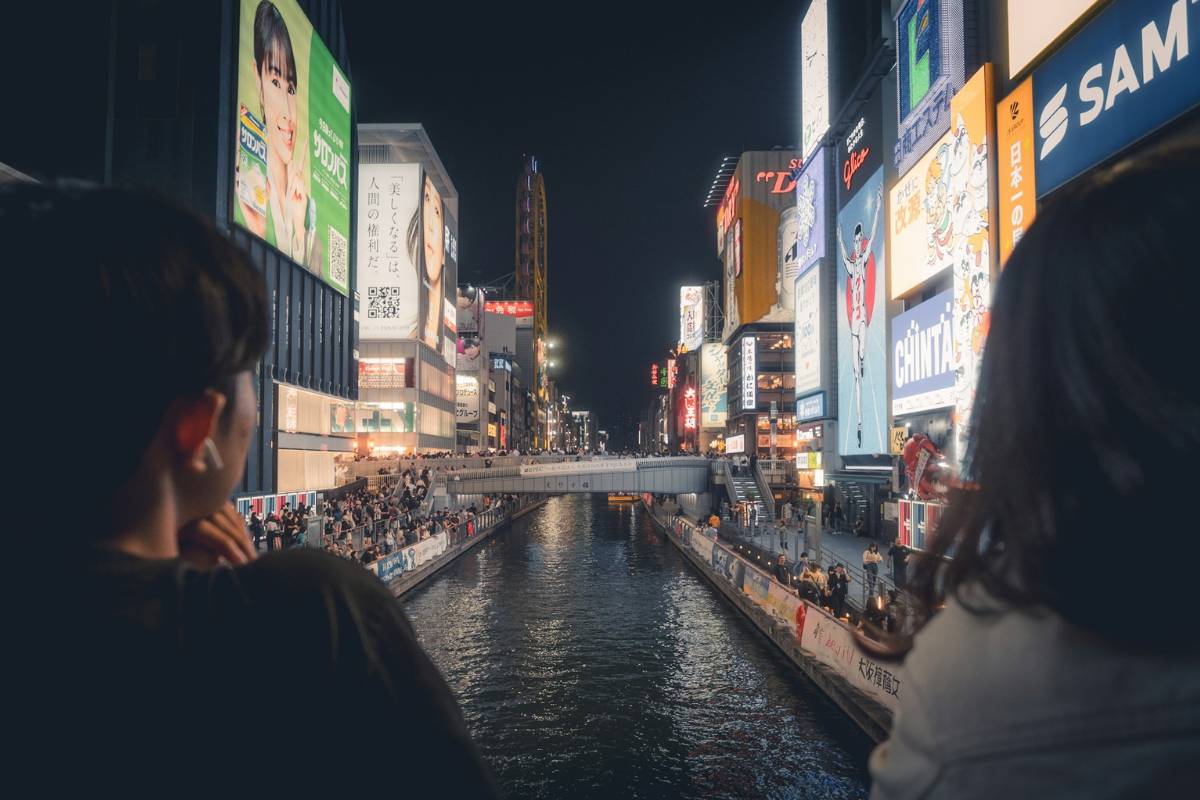 Dotonbori is Osaka at maximum intensity — the canal, the famous Glico running man sign, the takoyaki vendors, the crab claws spinning above seafood restaurant entrances, the crowds at every hour of the day and night. It is absolutely worth seeing and absolutely not where you should spend most of your time. Go at night, when the neon reflects off the canal. Eat something from a street stall. Then leave.
Shinsekai is the neighborhood Osaka forgot about for fifty years and is only now remembering. Built in the early 20th century to evoke Paris and New York simultaneously — there is a small Eiffel Tower; it doesn't quite work — it fell into neglect and became the kind of place guidebooks warned against. Now it's exactly what people come looking for: old Osaka, slightly rough, full of kushikatsu restaurants (deep-fried skewers, a local invention), billiards halls, and sento bathhouses that haven't changed since the 1970s. The Tsutenkaku Tower at its center is not architecturally remarkable but offers useful orientation.
Namba and Shinsaibashi form the commercial and social spine of the city. Namba for the covered market streets, the street food, the late-night eating. Shinsaibashi for the shopping, the department stores, the underground malls that seem to extend infinitely in every direction. The Amerika-Mura neighborhood just off Shinsaibashi — "American Village" — is where Osaka's youth culture concentrates: vintage clothing, independent music, the kind of creative energy that used to require going to Tokyo.
Nakazakicho is the city's most pleasant surprise. A small area of preserved wooden townhouses that somehow survived wartime bombing and postwar redevelopment, now occupied by independent coffee shops, ceramics studios, vintage clothing stores, and small galleries. It takes an hour to walk through properly. It stays with you longer than that.
Tennoji has the city's best park, its most impressive temple complex (Shitennoji, one of Japan's oldest), and the Abeno Harukas skyscraper — the tallest building in Japan — whose observation deck gives you the clearest possible sense of how the city is laid out. The neighborhood around the park has a slightly rougher energy than the tourist zones and some of the best casual eating in the city.
Fukushima is where Osaka's serious restaurant culture concentrates. A single street — Fukushima 7-chome — has a density of excellent small restaurants that would be remarkable in any city. No signs in English, no concessions to tourists, queues that form before the doors open. This is where you eat.
What to Eat (The Whole Point)
Takoyaki — octopus-filled batter balls, cooked in a specialized iron mold, topped with bonito flakes and sauce and mayo — is Osaka's most famous export and the correct first thing to eat upon arrival. The best ones are made to order and served in a paper tray of eight, too hot to eat comfortably, slightly crispy outside and molten within. Eat them standing up. Accept the burn.
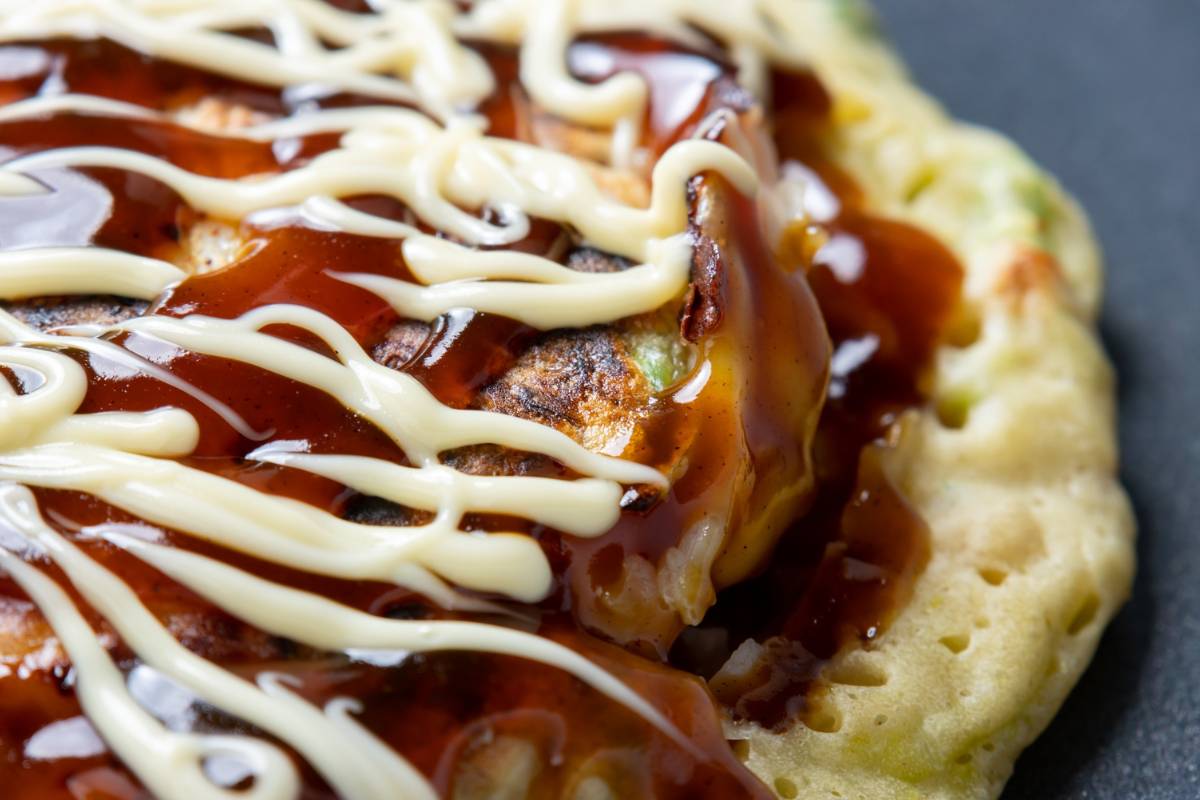 Okonomiyaki is the city's other signature: a savory pancake built from cabbage, flour, egg, and whatever else the cook decides — pork, seafood, cheese — then layered with sauce, mayo, and more bonito flakes. There are restaurants dedicated entirely to okonomiyaki. There are arguments about whether the Osaka or Hiroshima style is superior. Order both before forming opinions.
Kushikatsu is Shinsekai's gift to the world: skewered meat, vegetables, and seafood, breaded and deep-fried, served with a shared dipping sauce. The rule — enforced with genuine seriousness — is no double-dipping. They will tell you this. Multiple times. The sauce is communal. Respect the sauce.
Kappo cuisine — a counter-dining format where the chef prepares dishes directly in front of you, calibrating the meal to your pace and appetite — originated in Osaka. The city's kappo restaurants range from deeply affordable lunch counters to formal multi-course experiences. The format is worth seeking out: it's the most direct way to eat well in Japan.
Kuromon Ichiba Market — "Osaka's Kitchen" — is a covered market stretching nearly 600 meters, full of vendors selling fresh seafood, produce, prepared foods, and street snacks. Go for breakfast or lunch. Eat what looks freshest. The tuna sashimi, the tamagoyaki, the grilled scallops served in their shells with butter and soy — this is the correct morning.
Convenience store food, as in Tokyo, is not a fallback. But Osaka's konbini culture has its own particular texture: the hot food sections at Family Mart near the entertainment districts, operating at full intensity at 2am, are a specific and unrepeatable experience.
Culture Beyond the Food
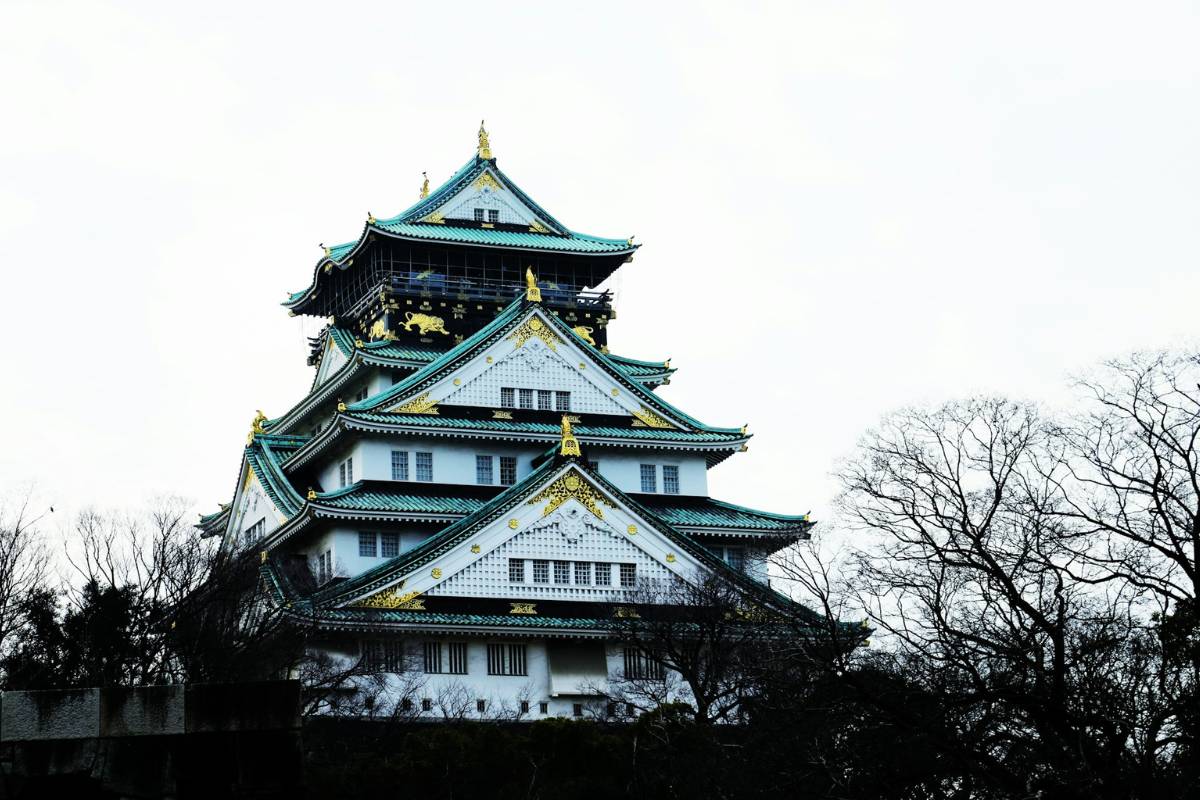 Osaka Castle is one of Japan's most recognizable landmarks — the white and gold tower rising above the moat, the surrounding park full of cherry blossoms in spring and people year-round. The interior museum tells the story of Toyotomi Hideyoshi, the warlord who built the original castle and whose ambitions briefly unified Japan. The view from the top floor is worth the elevator queue.
Dotonbori Canal at night deserves more than a photograph. Walk the canal path east from the bridge, away from the main tourist density, and the city reveals itself more quietly: smaller restaurants, local bars, a different scale.
National Museum of Art Osaka is underground, entered through a distinctive sculptural entrance near the Nakanoshima waterfront, and houses a serious collection of modern and contemporary art. Uncrowded, well-curated, architecturally interesting. An afternoon here feels like a genuine discovery.
Sumiyoshi Taisha is one of Japan's oldest shrines — predating the Buddhist architectural influences that shape most shrine design — and feels architecturally unlike anything else in the country. Located in the south of the city, away from the tourist core, it is visited almost entirely by locals. The arched bridge over the pond, the spare wooden structures, the quiet — this is the antidote to Dotonbori.
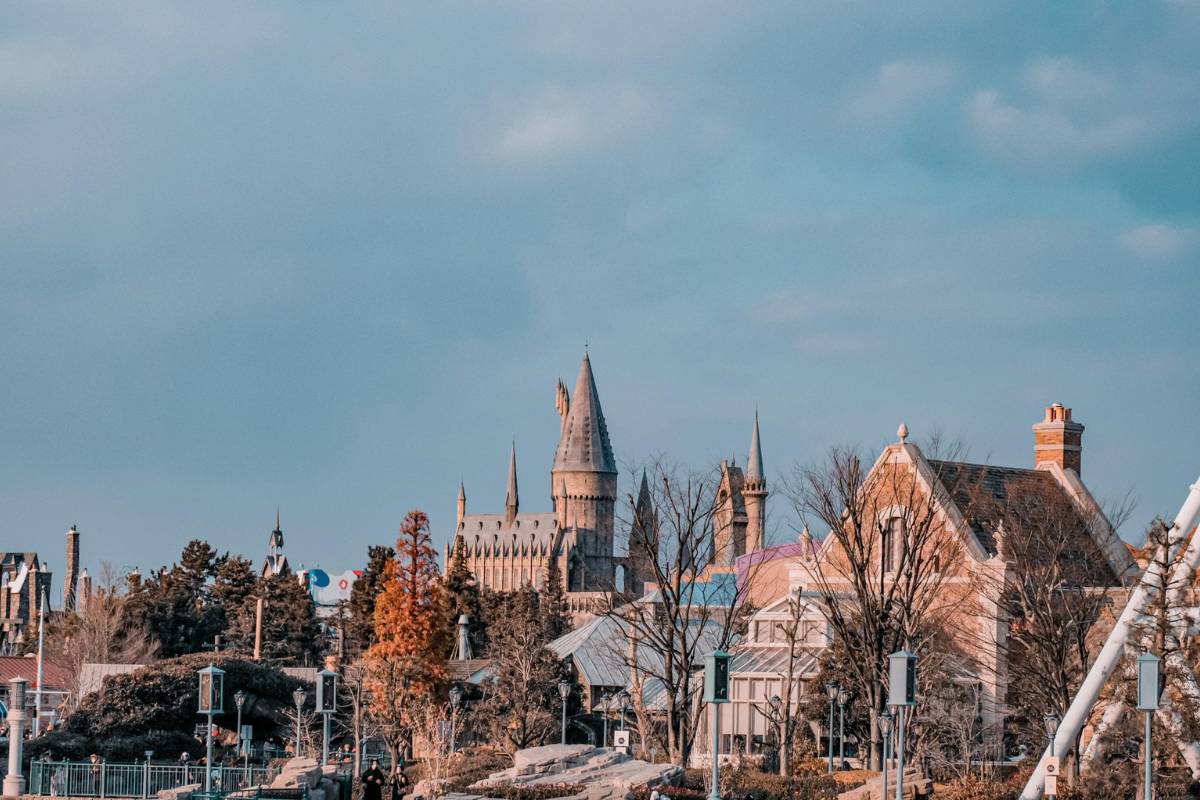 Universal Studios Japan is not for everyone, but the Nintendo World expansion — a fully realized, interactive recreation of the Mushroom Kingdom — is genuinely extraordinary by any standard. Book tickets and timed entry passes well in advance. Arrive early.
Day Trips Worth Taking
Kyoto is 15 minutes from Shin-Osaka by Shinkansen, 75 minutes by regular express. The temples, the geisha districts, the bamboo groves — all of it is within easy reach for a day trip, and basing yourself in Osaka rather than Kyoto is a legitimate strategy: lower prices, more life, the same access.
Nara is 45 minutes by express train and contains both the world's largest wooden building (Todai-ji Temple, housing an enormous bronze Buddha) and several hundred free-roaming deer who have learned, through generations of tourist interaction, that people carry crackers. The deer bow. You bow back. You give them the cracker.
Kobe is 30 minutes west by express train: a port city with a different energy from Osaka, a significant foreign settlement history that shows in its architecture and food culture, and the best beef in Japan. A Kobe beef lunch at a counter restaurant — the real thing, not the imitation that has traveled abroad — is worth building a half-day around.
Practical Matters
Getting There: Kansai International Airport (KIX) is 50 minutes from Namba by the Nankai limited express. The Haruka express connects to Shin-Osaka and central Kyoto. International routes have expanded significantly; direct connections from most major European and North American hubs now exist.
Getting Around: Osaka has its own subway system, separate from the JR network, and both are covered by a Suica or ICOCA card. The city is also surprisingly walkable in its central neighborhoods — Namba to Shinsaibashi to Nakazakicho can be done entirely on foot. Dotonbori to Shinsekai is a 25-minute walk through the city's texture.
When to Go: Late March to early April for cherry blossoms in Osaka Castle Park. October and November for comfortable temperatures and autumn color. Summer (July-August) is extremely humid and hot — the covered shopping arcades become essential infrastructure. Winter is mild by Japanese standards and uncrowded.
Find Cheap Flights to Osaka
Compare flights to Kansai International (KIX) and find the best fares for your Osaka trip.
Where to Stay:
- Namba for the best access to food, nightlife, and the southern neighborhoods. The highest density of good hotels at every price point.
- Umeda/Kita for the business district, the best department stores, and easy Shinkansen access from Shin-Osaka.
- Shinsaibashi for the mid-point between both — walkable to most things, quieter than Namba at night.
What to Budget: Plan for ¥12,000-20,000 per day ($80-135). Osaka is slightly more affordable than Tokyo across most categories — accommodation, casual meals, drinks. The money you save, you will spend on food. This is correct.
One Week Itinerary
Day 1 — Arrive, Orient, Eat: Land at KIX, check into Namba, walk to Dotonbori. Eat takoyaki from a street vendor. Walk the canal. Find a casual izakaya for dinner. Sleep.
Day 2 — Central Osaka: Kuromon Ichiba Market for breakfast, Shinsaibashi and Amerika-Mura in the afternoon, Dotonbori at night with proper okonomiyaki dinner.
Day 3 — South Osaka: Shinsekai and Tsutenkaku in the morning, Tennoji Park and Shitennoji Temple in the afternoon, Kushikatsu dinner back in Shinsekai.
Day 4 — Kyoto Day Trip: Early Shinkansen to Kyoto, Fushimi Inari at dawn before the crowds, Gion district in the afternoon, back to Osaka for dinner. Eat in Fukushima.
Day 5 — North Osaka: Nakazakicho in the morning, Umeda and the department store depachika for lunch, National Museum of Art in the afternoon, Namba for late dinner.
Day 6 — Nara or Kobe: Choose based on whether you want ancient temples and deer (Nara) or Kobe beef and harbor architecture (Kobe). Both are half-day trips; combine them if energy allows.
Day 7 — Osaka Castle + What You Missed: Osaka Castle Park in the morning, then follow whatever thread you didn't get to — Sumiyoshi Taisha for serious shrine culture, Universal Studios Japan for Nintendo World, or simply return to the restaurant you couldn't stop thinking about.
What Nobody Tells You
Osaka people are different from Tokyo people in ways that are immediately apparent and hard to fully explain. They talk to strangers on the train. They will tell you, unprompted, what you should order. They have opinions about takoyaki that they will share at length. The city has a comedian's energy — quick, warm, slightly irreverent — that makes it feel less like a place you're visiting and more like a place you've been invited.
The tsukkomi/boke comedy dynamic — straight man and funny man — that underlies Japanese stand-up comedy originated here. You'll see it in how locals interact: the setup, the punchline, the genuine delight in a good exchange. It makes the city feel alive in a way that's difficult to replicate.
The covered shopping arcades — Shinsaibashi-suji, Tenjinbashisuji (the longest in Japan at 2.6 kilometers) — are not just shopping destinations. They're the city's living rooms: where people walk when it rains, where teenagers hang out after school, where the same shops have operated for generations. Walk the full length of Tenjinbashisuji at a slow pace. Eat something at the halfway point. This is Osaka.
Getting there: Direct flights to Kansai International (KIX) from most major hubs. Flight time from London: approximately 12 hours. From Los Angeles: approximately 11 hours.
Visa requirements: Citizens of most Western countries receive 90-day visa-free entry. Verify current requirements before travel.
Best resources: Osaka Amazing Pass for transit and attraction access; Hyperdia for train planning; Tabelog for finding restaurants where locals actually eat. The Osaka Convention & Tourism Bureau's English-language site has unusually good neighborhood guides.


