Seville, Spain: The Complete Travel Guide to Andalusia's Fiery Capital
April 21, 2026 · TripOnly

Seville, Spain: The Complete Travel Guide to Andalusia's Fiery Capital
Most visitors arrive in Seville expecting a museum city. They leave understanding it is something far more alive.
Andalusia’s capital doesn’t just preserve history — it dances with it. Flamenco spills out of hidden peñas at midnight. Bitter oranges perfume the air in spring. The scent of jamón and fino sherry drifts from countless tapas bars where locals stand shoulder-to-shoulder with travellers. This is a city of 700,000 people that somehow still feels like a village when you turn the right corner.
Seville has the monumentality (the largest Gothic cathedral on earth, a royal palace that inspired Game of Thrones, one of Spain’s most beautiful plazas) but also the intimacy: tiny tiled courtyards, late-night guitar, and a proud, warm character that makes you feel welcome the moment you arrive.
Getting There
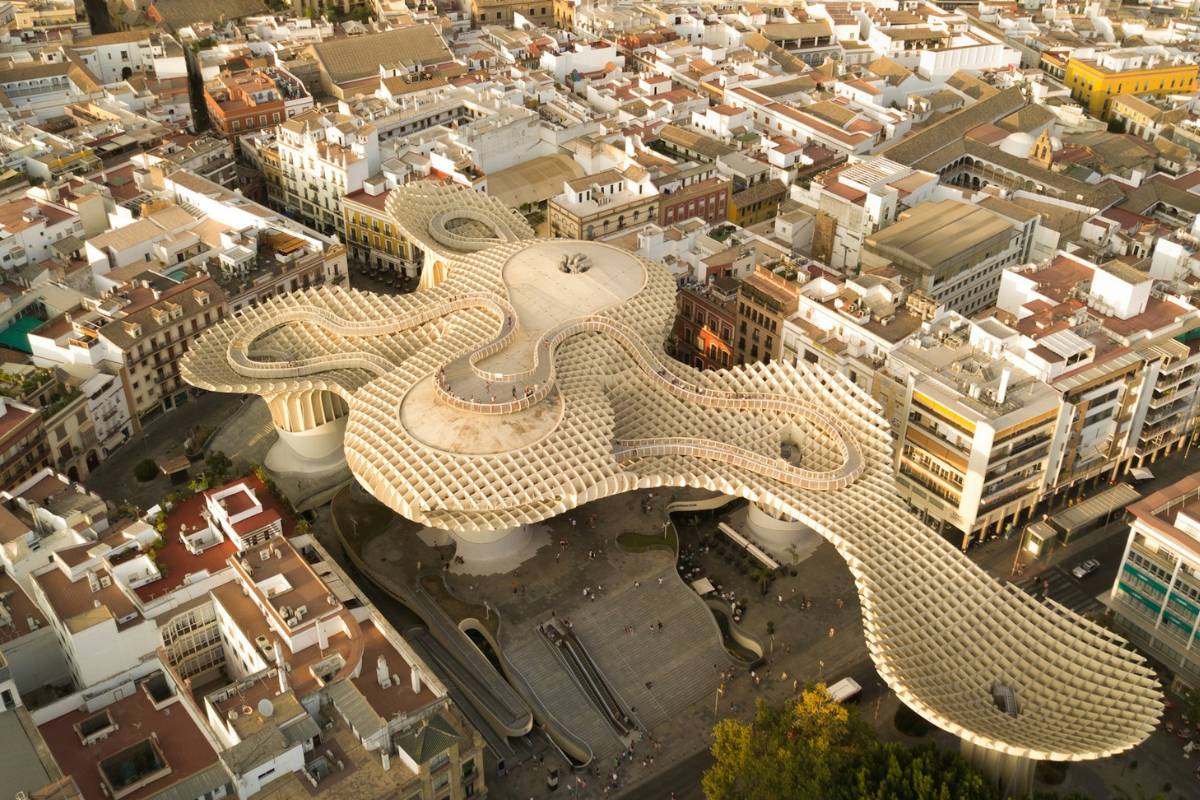
Seville Airport (SVQ) is compact and well-connected, with direct flights from most major European cities and several UK and US gateways. The airport is only 10 km from the centre — a taxi costs around €25–30, or take the EA bus for €4 that drops you at Plaza de Armas or the Santa Justa train station.
High-speed AVE trains are the best way to arrive from elsewhere in Spain. Madrid is 2.5 hours away, Barcelona around 5.5 hours, and Córdoba a breathtaking 45 minutes. If you’re coming from Málaga or Cádiz, the train or a short drive is easy.
The Cathedral and La Giralda
The Cathedral of Saint Mary of the See is overwhelming — and that’s the point.
It is the largest Gothic church ever built, constructed on the site of the former Almohad mosque. Step inside and the scale hits you: soaring vaults, 80 chapels, and the colossal altarpiece that took 80 years to carve. Christopher Columbus is buried here (or at least his tomb claims to be).
Climb La Giralda — the former minaret turned bell tower — for the best view in the city. No spiral staircase; instead, a series of gentle ramps originally designed so horses could ride to the top. The reward is a sweeping panorama of terracotta rooftops, the Alcázar gardens, and the Guadalquivir River glinting in the distance.
Buy the combined Cathedral + Alcázar + Giralda ticket online in advance, especially from March to October.
The Real Alcázar
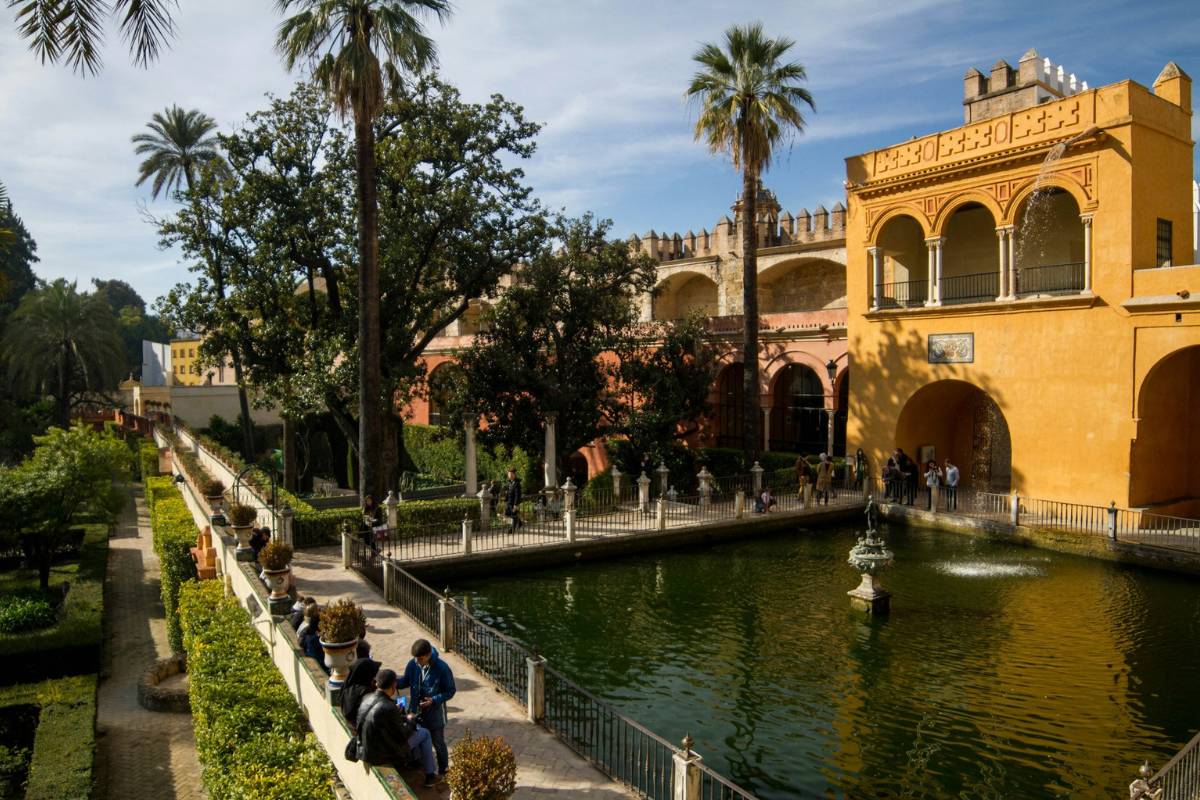
Just next door sits one of the most beautiful palaces in Europe.
The Real Alcázar is a living masterpiece of Mudéjar architecture — Christian, Islamic, and Jewish influences layered over centuries. The Courtyard of the Maidens, the Ambassadors’ Hall with its golden dome, and the lush gardens with their pools and pavilions feel like stepping into a fairy tale.
Come early or late in the day to avoid the worst crowds. The gardens are particularly magical in the golden hour when the light filters through the orange trees and myrtle hedges.
The Old Town & Barrio Santa Cruz
The historic centre is a glorious tangle of narrow streets, hidden plazas, and flower-filled patios. Barrio Santa Cruz, the old Jewish quarter, is the most enchanting area — whitewashed houses, tiled benches, and tiny squares where orange trees drop fruit on the cobbles.
Wander without a map. You’ll stumble on places like Plaza Doña Elvira, the quiet Plaza de los Venerables, and countless convents and churches. In spring the jasmine and orange blossom are intoxicating.
Don’t miss the Hospital de los Venerables Sacerdotes — a 17th-century retirement home for priests with one of the most spectacular baroque courtyards in Seville.
Plaza de España & Parque de María Luisa
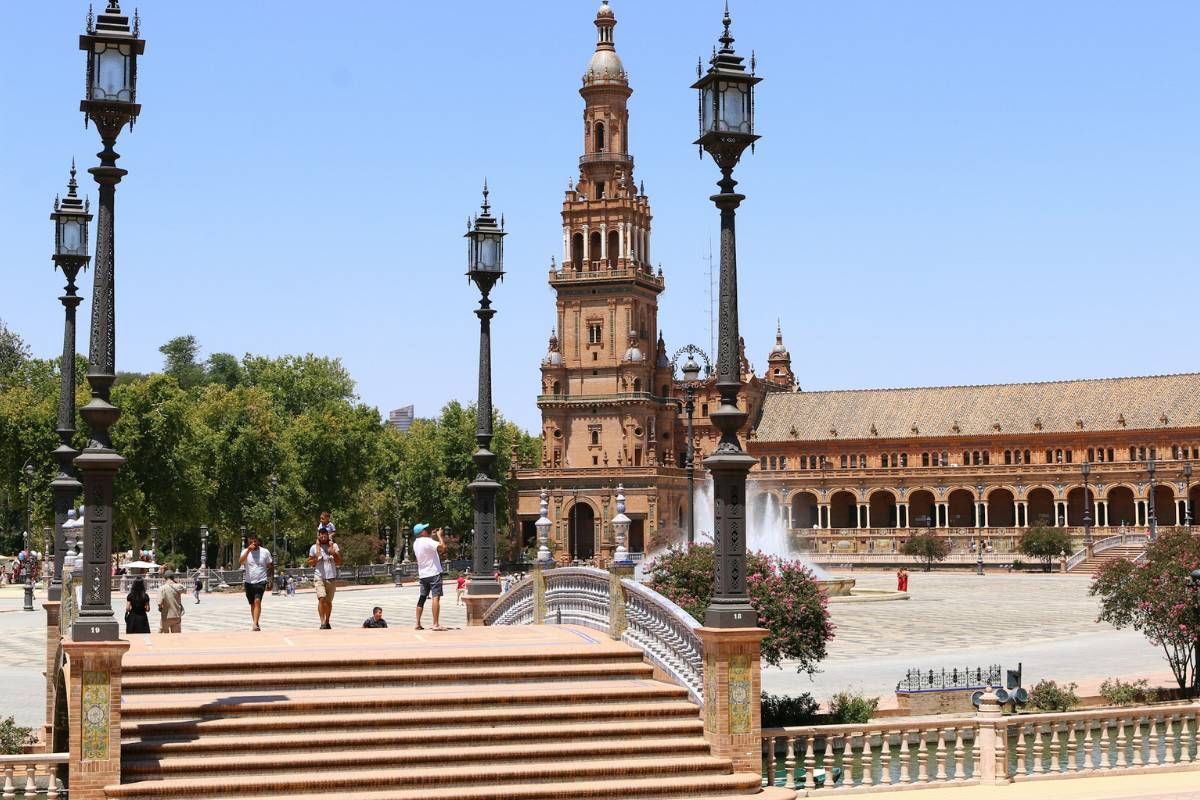
Built for the 1929 Ibero-American Exposition, Plaza de España is cinematic in scale. The giant semi-circular brick building with its tiled alcoves representing every Spanish province is jaw-dropping.
Rent a rowboat on the moat or simply sit on the steps and watch the world go by. Adjacent Parque de María Luisa is Seville’s green lung — perfect for shade, picnics, and escaping the afternoon heat.
The Guadalquivir River & Triana
The river divides Seville. Cross the Puente de Isabel II into Triana — the traditional gypsy quarter and historic home of flamenco, ceramics, and bullfighters.
Triana has a more working-class, bohemian feel. Stroll Calle Betis along the riverbank for views back to the cathedral and Torre del Oro. Visit the Mercado de Triana, explore the ceramic shops on Calle San Jacinto, and end the evening in a flamenco bar where the real thing still happens spontaneously.
The Food
Seville is tapas heaven.
Here the culture is not about big meals but continuous grazing — a caña of beer and a small plate, then move on. Must-tries:
- Salmorejo — thick, garlicky tomato soup topped with jamón and egg
- Tortilla de patatas (especially at places serving it runny)
- Pescaíto frito — fried fish, best in Triana
- Carrillada — slow-cooked pork cheeks in sauce
- Espinacas con garbanzos — spinach with chickpeas, a local classic
Standout spots: El Rinconcillo (the oldest bar in Seville, founded 1670), Bodega Santa Cruz (La Giganta) for chaotic, delicious plates, and Eslava for more creative takes. For fine dining with history, try Abades Triana or the rooftop at EME Catedral.
Don’t forget the sherry — order a chilled fino or manzanilla with every meal.
Flamenco
Seville is one of the birthplaces of flamenco. Skip the tourist shows in the centre and head to a peña or tablao with locals.
Recommended: Casa de la Memoria (intimate and respected), La Casa del Flamenco in Santa Cruz, or Sala El Sol in Triana. For something more raw, ask around for late-night sessions after 11pm.
Day Trips
- Córdoba (45 min by AVE): The Mezquita-Catedral is unmissable.
- Cádiz (1.5 hours): Spain’s oldest city, dramatic Atlantic setting, excellent seafood.
- Ronda (2 hours): Stunning clifftop town with the famous Puente Nuevo.
- Itálica (30 min): Roman ruins just outside the city with an enormous amphitheatre.
- Doñana National Park: For wildlife and wetlands (best with a tour).
Practical Things Worth Knowing
Best time to visit: March–May and September–November. April brings the famous Feria de Abril (and Holy Week beforehand), which is spectacular but busy. Summers are brutally hot (often 40°C+). Winters are mild and pleasant.
Walkability: The historic centre is very walkable, but wear good shoes — the beautiful cobblestones are murder on your feet.
Siesta & hours: Many shops close 2–5pm. Restaurants serve lunch from 1:30–4pm and dinner from 8:30pm onwards. Adjust to local rhythm.
Where to stay: Santa Cruz or Arenal for atmosphere. Triana for a more local feel. Alfalfa for foodie central.
Language: English is widely spoken in tourist areas, but basic Spanish goes a long way and is appreciated.
Why Seville Works
Seville doesn’t feel like it’s performing for visitors — it’s living its own passionate, loud, beautiful life and you’re simply invited along.
The monuments are world-class. The food is world-class. The people are warm and proud. The light on the cathedral at sunset, the sound of a guitar echoing down an alley at night, the smell of orange blossom in April — these things stay with you.
Seville doesn’t just show you Andalusia. It makes you feel it in your bones.
Come for the icons. Stay for the soul.


