Best Places to Visit in Spain: The Complete Guide from North to South
March 29, 2026 · TripOnly

Best Places to Visit in Spain: The Complete Guide from North to South
Spain is the country that tourists think they understand and locals know they don't.
Most people arrive with a plan built around Barcelona, Madrid, and Seville — the holy trinity of Spanish tourism — and leave having had a perfectly good time without quite understanding why their Spanish friends looked slightly puzzled when they described their trip. The country those friends know is different: louder, more regional, more obsessed with its own local variations of food and language and architecture than with the version it exports for international consumption.
The Spain worth knowing is the Spain of the Basque pintxos bars that open at noon and close at two and open again at eight. The Spain of Galicia, where the landscape is so green it looks Irish and the seafood is the best in the country. The Spain of Andalusia's white villages perched on limestone ridges, of Salamanca's golden stone, of the volcanic otherworldliness of the Canary Islands.
This is a guide to all of it — the classics first, then the rest.
The North
San Sebastián
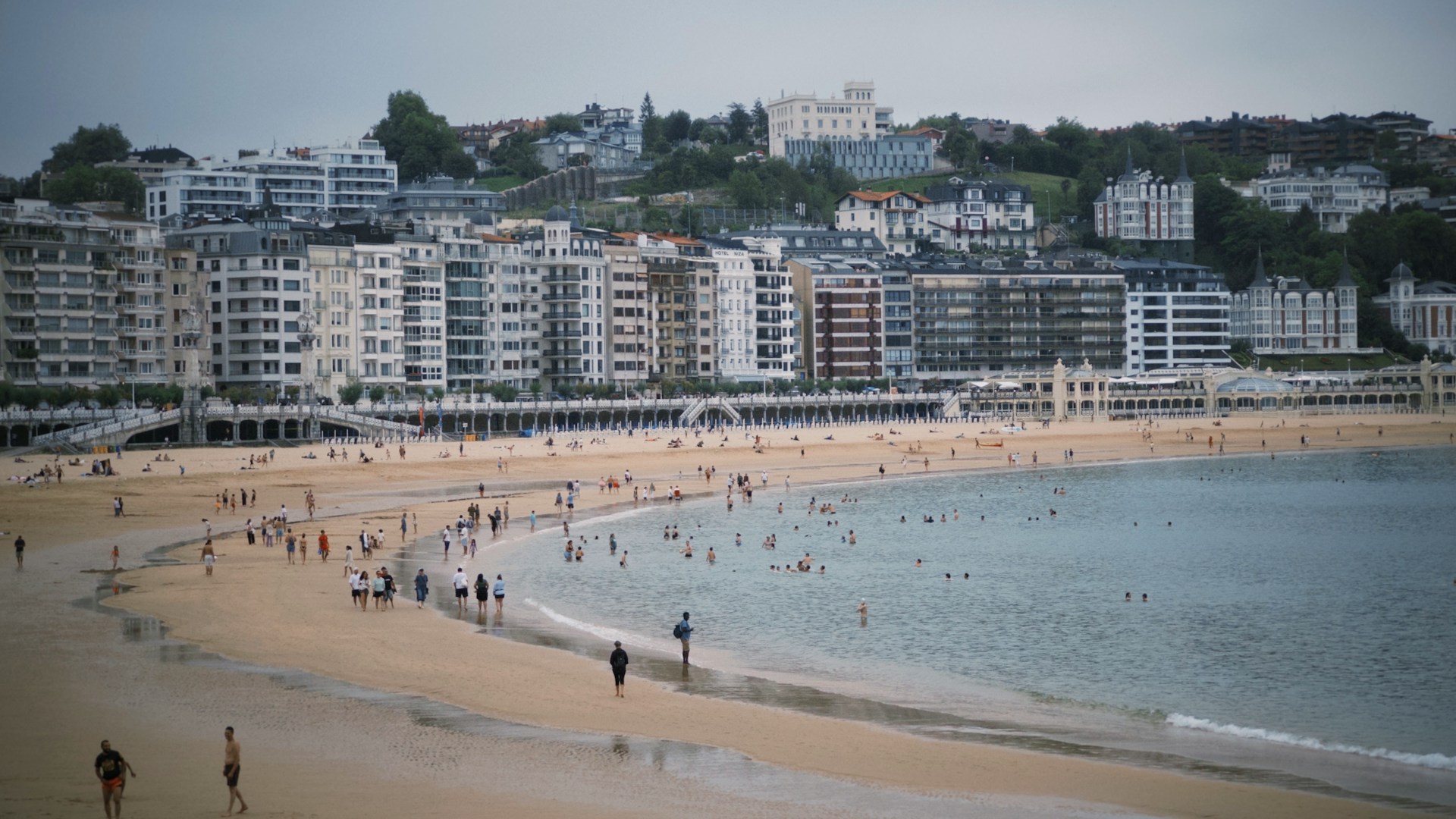 San Sebastián — Donostia in Basque — has a reasonable claim to being the best city in Europe for eating, which is a significant thing to say about a city of 180,000 people with a beach at its feet.
The concentration of Michelin-starred restaurants per capita is the highest in the world. But the more relevant statistic for most visitors is the density of pintxos bars in the Parte Vieja — the old town — where the bar tops are loaded with small plates of extraordinary food and the protocol is to point at what you want, eat standing up, and move on to the next bar. This is eating as social architecture, and the Basques have been perfecting it for generations.
Beyond the food: the Playa de la Concha is one of the finest urban beaches in Europe — a perfect crescent of sand enclosed by two headlands, the promenade above it lined with belle époque architecture. The Peine del Viento sculptures by Eduardo Chillida at the western end of the bay are among the most site-specific works of public art in Spain. The Monte Urgull headland above the old town has a castle, a giant statue of Christ, and a view over the bay that explains why people come here and don't leave.
Go in September for the film festival, or in January when the prices halve and the pintxos remain unchanged.
Bilbao
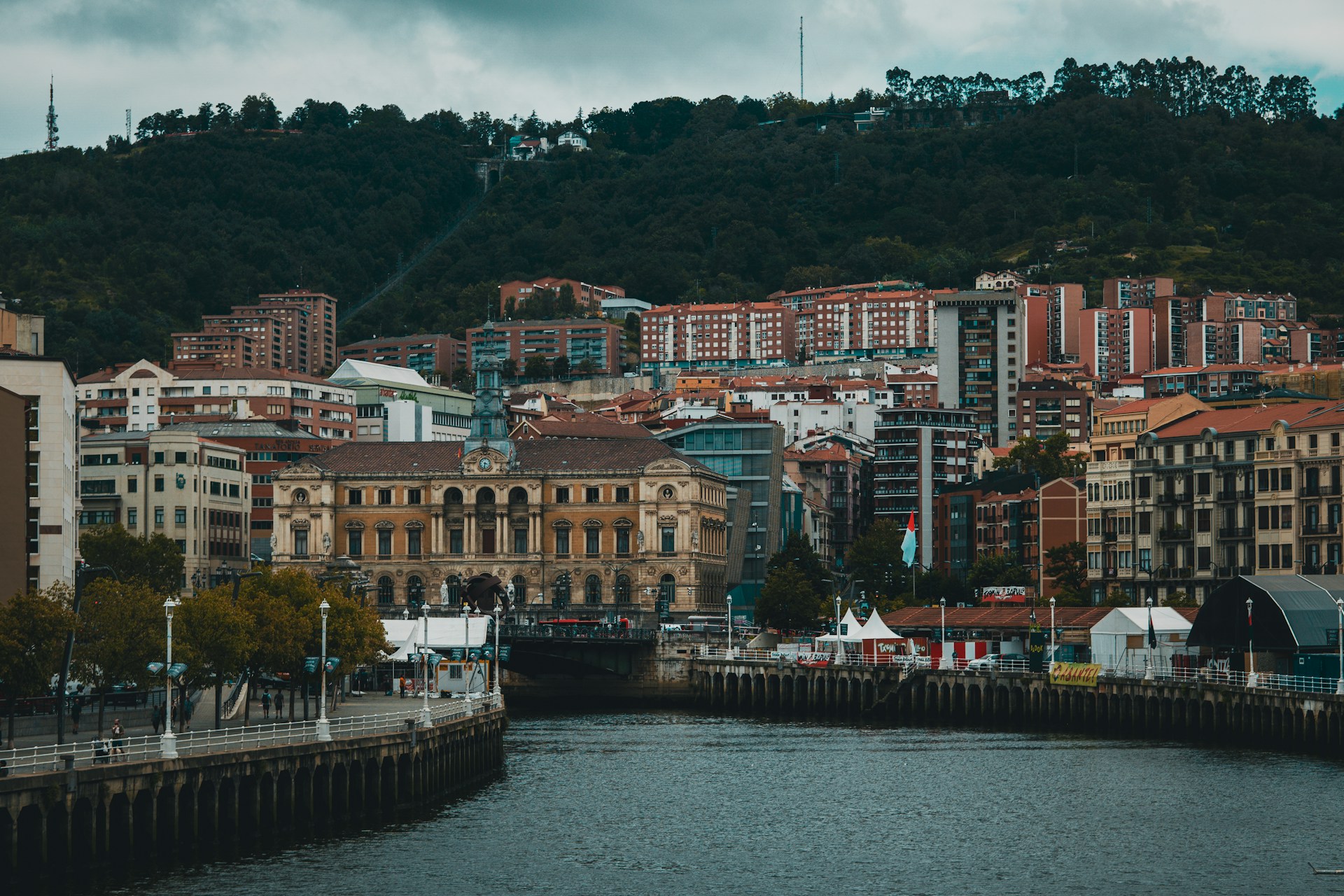 Bilbao was an industrial port city in terminal decline until Frank Gehry's Guggenheim Museum opened in 1997 and demonstrated, once and for all, that architecture can reverse the fortunes of a place.
The museum itself — titanium panels that shift colour in the Basque light, a building that manages to be simultaneously monumental and in conversation with the river beside it — is one of the most significant works of architecture of the 20th century and earns the visit alone. Inside, the Richard Serra steel sculptures in the atrium are among the most physically affecting works of contemporary art you'll encounter anywhere.
But Bilbao has outgrown its dependency on the Guggenheim. The Casco Viejo — the old town of seven streets — is now one of the best pintxos circuits in the Basque Country, rivalling San Sebastián for quality if not for celebrity. The Mercado de la Ribera is the largest covered market in Europe. The Ría del Nervión, the estuary that runs through the city, has been cleaned and landscaped into something worth walking along.
An hour's drive north, the Gaztelugatxe hermitage sits on a rocky island connected to the mainland by a stone causeway and 241 steps — a sight dramatic enough to have served as Dragonstone in Game of Thrones, and more beautiful in person than any screen can convey.
Barcelona
Barcelona is the most visually distinctive city in Spain — possibly in Europe — and it earns the superlative almost entirely through the work of one architect.
Antoni Gaudí spent the better part of his life reshaping a city that was already beautiful into something that no other place on earth resembles. The Sagrada Família — the basilica he began in 1883 and that is still under construction — is the most visited monument in Spain and one of the most extraordinary buildings in the world: a Gothic structure reimagined through organic forms, the stone columns of the interior branching like trees, the light through the stained glass shifting from gold to blue depending on the hour. Gaudí intended the completed building to be a catechism in stone; what exists already, even unfinished, functions as exactly that.
The other Gaudí works are spread across the city — Park Güell above the Gràcia neighbourhood, with its mosaic terraces and gingerbread gatehouses; the Casa Batlló and Casa Milà on the Passeig de Gràcia, two apartment buildings so far outside conventional architecture that standing in front of them still produces a slight sense of unreality; the Palau Güell near the Ramblas, earlier and darker, with a roofscape of chimneys encrusted in broken tile that anticipates everything that follows. A full day devoted to the Gaudí circuit rewards the effort disproportionately.
.Beyond Gaudí: the Gothic Quarter is the medieval core of the city, its Roman foundations still visible in sections of wall incorporated into later buildings. El Born, the neighbourhood beside it, has become the most concentrated eating and drinking district in Barcelona — the covered iron market of the Mercat de Santa Caterina, the natural wine bars on the side streets, the bocatería where the sandwiches are made to order on bread that comes from the bakery two streets away. La Barceloneta, the old fishing neighbourhood at the foot of the city, has the beach and the seafood restaurants along the Passeig Marítim that justify the walk down from the old town.
The Picasso Museum, in a series of connected medieval palaces in El Born, holds the most significant collection of his early work in the world — the paintings from before Paris, before Cubism, when he was a teenager in Barcelona producing work of astonishing technical accomplishment. The Fundació Joan Miró on Montjuïc is the essential companion: Miró's own donation to the city, in a building by Josep Lluís Sert that is among the finest pieces of museum architecture in Spain. Book the Sagrada Família weeks in advance — it sells out. Go to Park Güell for the first slot of the morning and leave before the crowds arrive. Eat lunch rather than dinner as the main meal; the set lunch menus (menú del día) in Barcelona's neighbourhood restaurants offer three courses with wine for €12–15 and represent the best-value eating in the city.
Galicia and Santiago de Compostela
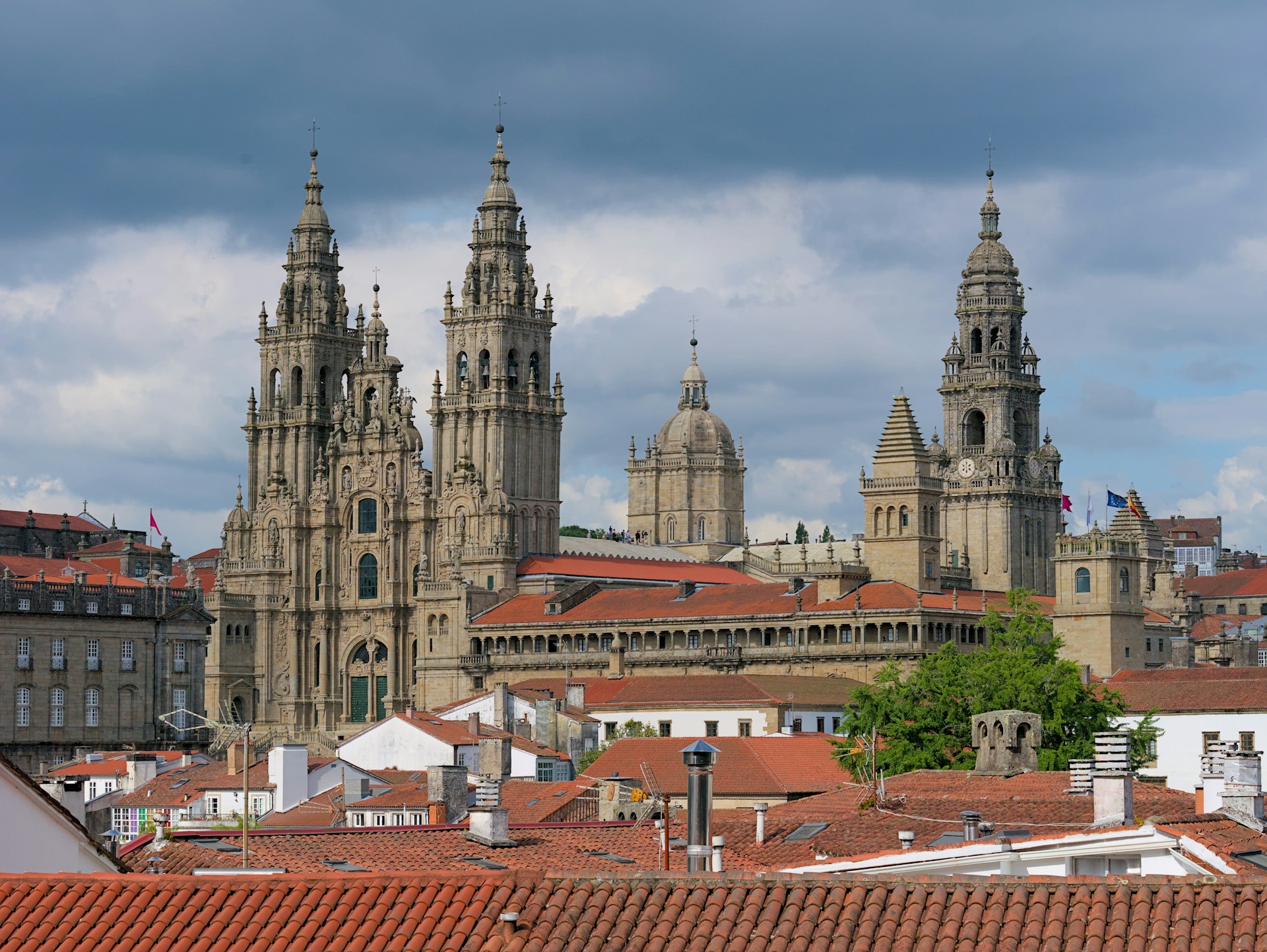 Galicia is the Spain that surprises people who think they know Spain.
The northwest corner of the Iberian Peninsula is green — genuinely, consistently, deeply green — because it rains here more than anywhere else in Spain. The landscape is Atlantic rather than Mediterranean: granite coastline, river estuaries, eucalyptus forests, fishing villages where the catch is still brought in daily. The seafood is the best in the country: percebes (goose barnacles, harvested from the rocks at low tide), pulpo a la gallega (octopus with paprika and olive oil), Padrón peppers fried in salt, Albariño wine so well-suited to the food it seems designed for it.
Santiago de Compostela, where the Camino de Santiago ends, has a cathedral that pilgrims have been arriving at for over a thousand years. Even if you haven't walked the Camino, watching the pilgrims arrive — dusty, emotional, completing something — is one of the more genuinely moving experiences available in Spain. The old city around the cathedral is a UNESCO World Heritage Site of granite buildings and porticoed streets that glow when the light is right.
The Rías Baixas — the southern estuaries of Galicia — are worth a few days for the fishing villages, the mussel farms, and the vineyards of the Albariño country.
Central Spain
Madrid
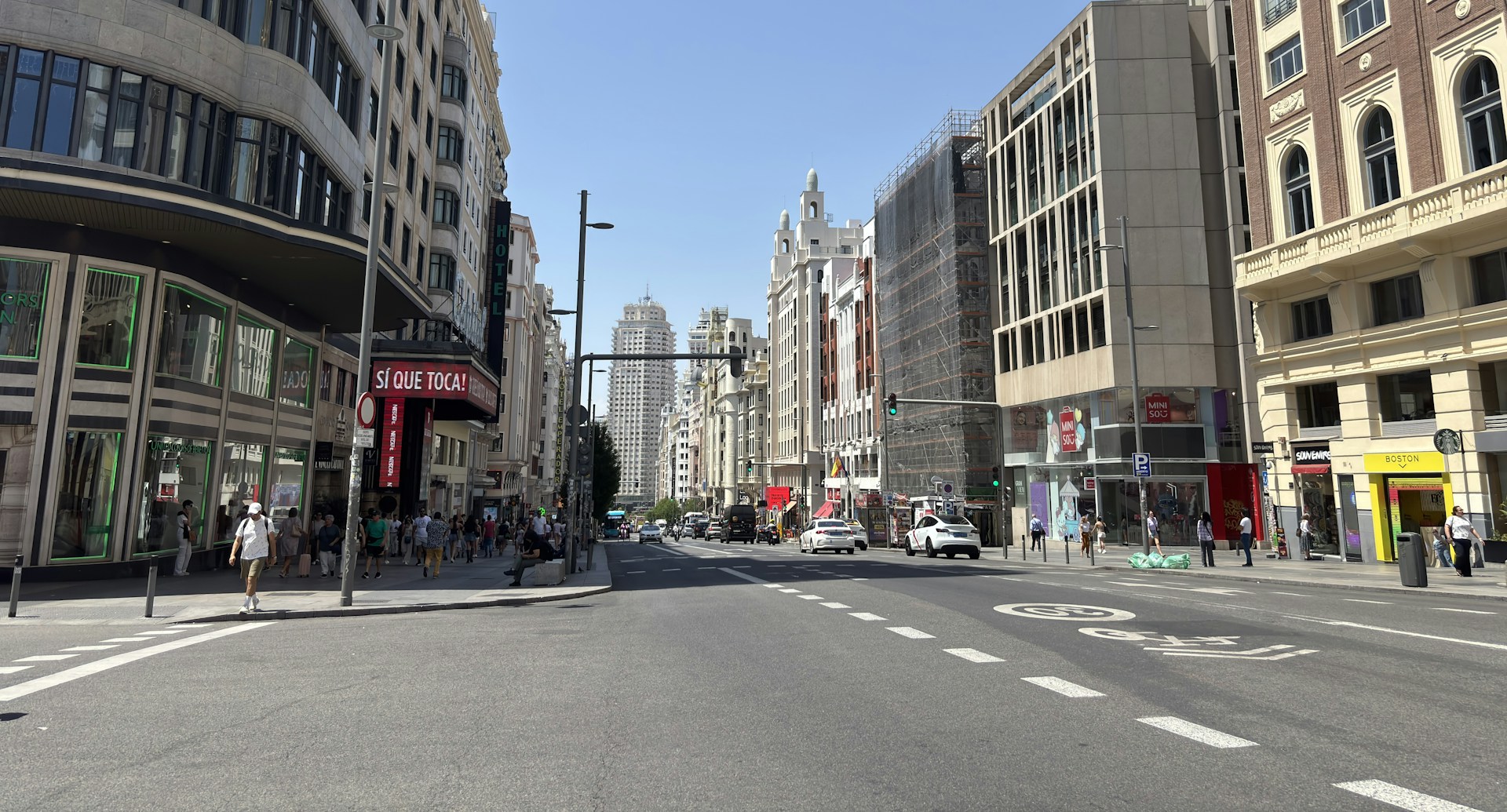 Madrid doesn't have Barcelona's architecture or Seville's romance or San Sebastián's food culture. What it has is scale, energy, and three of the best art museums in the world within walking distance of each other.
The Prado holds Velázquez's Las Meninas, Goya's Black Paintings and Third of May, El Greco, Hieronymus Bosch, Rubens, Titian — a collection assembled by the Spanish crown over centuries that remains one of the greatest in existence. The Reina Sofía has Picasso's Guernica and a serious collection of 20th-century Spanish art. The Thyssen-Bornemisza fills the gap between them with an encyclopaedic private collection from medieval through contemporary. One museum district, three full days of serious art. Madrid handles this with complete calm.
The city rewards evening more than morning. The Retiro Park — 350 acres of formal gardens, rowing lake, and shaded paths — is at its best in the late afternoon. The tapas bars of La Latina fill after eight with a mix of locals and visitors eating raciones and drinking wine that costs what it costs in Madrid, which is not very much. The Mercado de San Miguel, for all its tourist reputation, has genuinely good food if you know what to order: anchovies from Cantabria, jamón ibérico de bellota, the house vermouth.
The Rastro flea market on Sunday mornings covers the streets around the Embajadores neighbourhood with antiques, junk, and the specific pleasure of walking a city that is still half-asleep.
Toledo
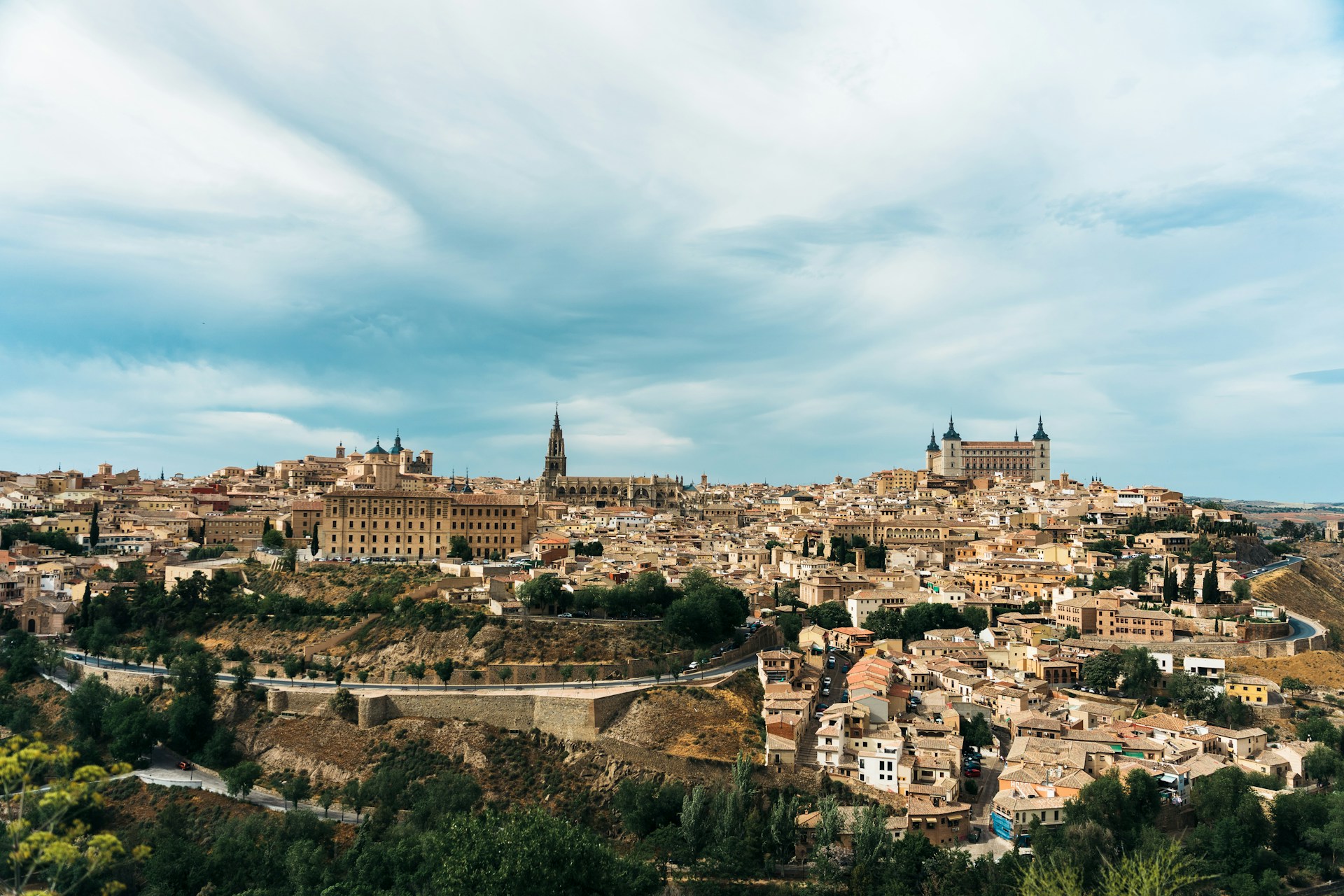 Toledo is less than an hour from Madrid by high-speed AVE train and earns the day trip more than any other destination within range.
The city occupies a rocky promontory above a loop of the Tagus River — the visual from the Mirador del Valle on the opposite bank, with the cathedral rising above the medieval skyline, is one of the defining images of central Spain. Inside the city, the three cultures that shared Toledo for several centuries — Christian, Muslim, and Jewish — are still visible in the architecture: the Gothic cathedral, the synagogues of Santa María la Blanca and El Tránsito, the mosque-turned-church of Cristo de la Luz.
El Greco spent the most productive decades of his career in Toledo and the El Greco Museum and the church of Santo Tomé together hold enough of his work to understand why the city formed him. The Burial of the Count of Orgaz in Santo Tomé is the painting in question — a work of such intensity that people stop in front of it and forget they were anywhere else.
Go early, before the day-trippers from Madrid arrive. Have lunch. Take the last train back.
Salamanca
Salamanca is built from sandstone the colour of warm honey, and the light at sunset on the Plaza Mayor — the most beautiful main square in Spain, and arguably in Europe — turns it into something that glows from within.
The university, founded in 1218, is the oldest in Spain and one of the oldest in the world. The façade of the old university building is a masterpiece of Plateresque decoration — the intricate carved stone that defines this region's architectural style. Inside, the library has been preserved in its 16th-century form. The new cathedral stands next to the old one, the two joined at the hip across five centuries of construction.
Salamanca has a large student population — around 30,000 in a city of 140,000 — and the bars and cafés around the Plaza Mayor and the university district have the energy of a place that takes its leisure as seriously as its scholarship. The churros at Café Novelty, which has been open since 1905, are the correct breakfast.
Andalusia
Seville
Seville is the most Spanish city in Spain in the way that a superlative is always slightly reductive — it is not the whole country, but it is an intense and specific version of one strand of it.
The Alcázar — the royal palace complex that was rebuilt and expanded by successive rulers from Moorish through Renaissance — is the finest example of Mudéjar architecture in Spain and one of the most beautiful buildings in Europe. The cathedral next door is the largest Gothic cathedral in the world and contains the tomb of Christopher Columbus. The Barrio de Santa Cruz, the old Jewish quarter behind the cathedral, is a labyrinth of whitewashed streets and orange trees that is exactly as beautiful as its reputation suggests.
But Seville is best experienced through its rhythms rather than its monuments. Tapas here are still free in many bars with every drink — a tradition that the rest of Spain has mostly abandoned. Flamenco in Seville is not the tourist-facing version you find in most cities; the tablaos in the Triana neighbourhood across the river have performers for whom this is cultural expression rather than performance. The April Feria — the spring fair that takes over a purpose-built fairground for a week — is the best party in Spain and worth planning a trip around if the timing works.
Granada
Granada sits at the foot of the Sierra Nevada, snow on the peaks visible from the city streets on clear days, the Alhambra on the hill above commanding everything below it.
The Alhambra is the reason to come and it justifies every superlative directed at it. The Nasrid Palaces — the residential heart of the 14th-century Moorish palace complex — are decorated in a density and delicacy of carved plasterwork, geometric tile, and stalactite vaulting that makes the jaw drop and keeps it there. The Generalife gardens above the palace are quieter and in some ways more beautiful — water channels and cypress hedges and views over the city that feel designed for contemplation. Book tickets months in advance for a morning slot.
Below the Alhambra, the Albaicín — the old Moorish quarter — climbs the opposing hill in a tangle of whitewashed houses, carmenes (walled gardens), and tea shops that reflect the neighbourhood's North African heritage. The Mirador de San Nicolás at sunset, with the Alhambra turning golden across the valley, is the most photographed view in Granada and earns the crowd.
Granada also has the best free tapas culture in Spain — every drink comes with a small plate of something, automatically, without ordering. The quality varies but the principle is impeccable.
Córdoba
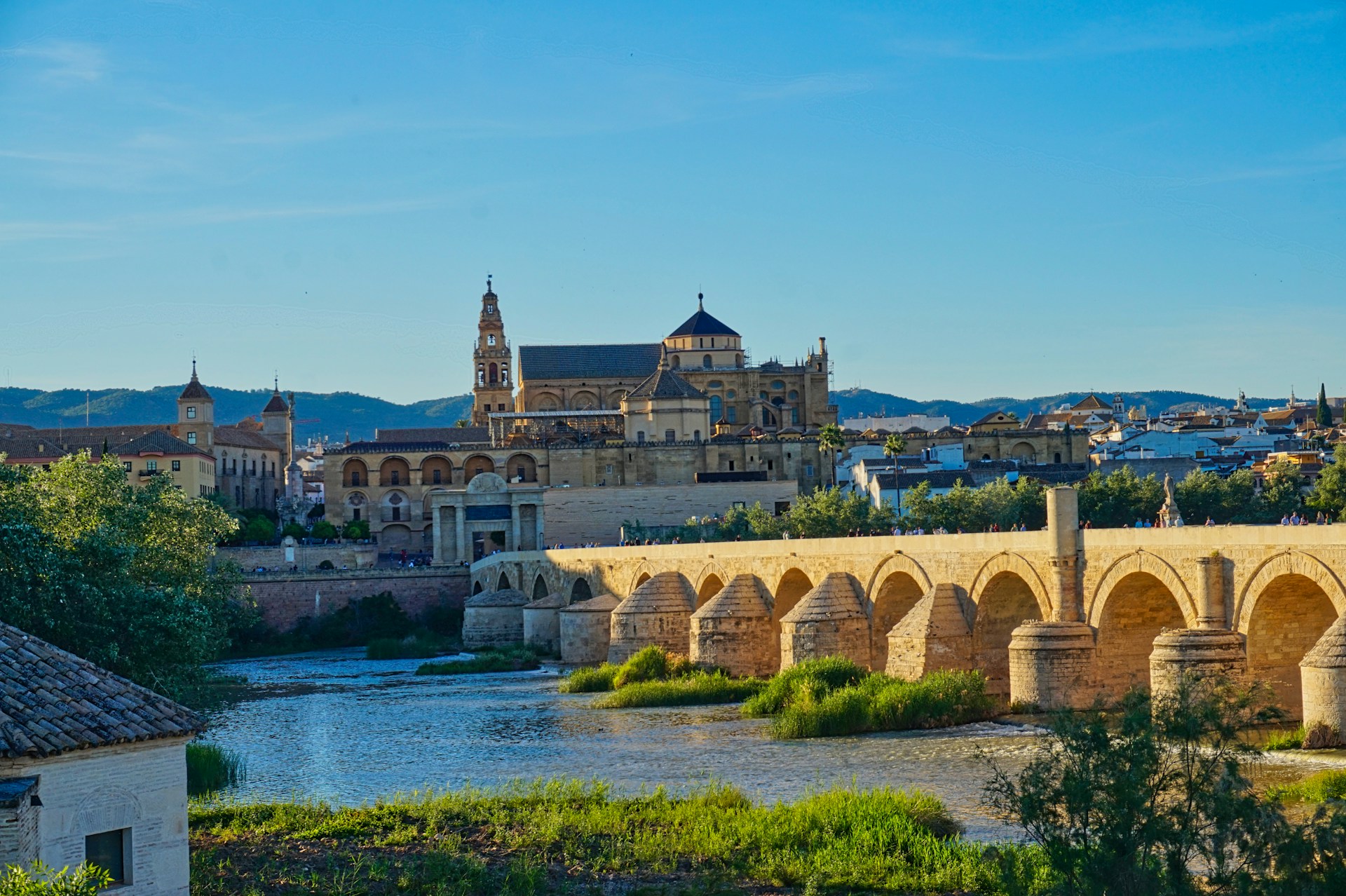 Córdoba's moment of greatest significance lasted several centuries in the early medieval period, when it was the largest city in western Europe — capital of the Umayyad Caliphate of Córdoba, a centre of scholarship, trade, and architecture that the rest of the continent couldn't match.
The Mezquita — the mosque-cathedral that is the physical remnant of that period — is one of the most extraordinary buildings in the world. The interior forest of 856 columns in red and white striped arches stretches in every direction; the effect is of being inside something that has no visible edge. The Renaissance cathedral built into the centre of the mosque by Carlos V is architecturally accomplished and contextually jarring — even the king, visiting after its completion, reportedly said that something unique had been destroyed to build something ordinary.
The Judería — the old Jewish quarter around the Mezquita — has the Synagogue of Córdoba, one of only three surviving medieval synagogues in Spain, and the patios that made Córdoba's Festival of Patios famous: private courtyards opened to the public in May, filled with flowers and the sound of water, that represent a specifically Córdoban relationship between interior and exterior space.
The White Villages of Andalusia
The pueblos blancos — the white villages — scattered across the sierras of Cádiz and Málaga province are worth a dedicated detour, particularly if you have a car.
Ronda, built on either side of a gorge crossed by an 18th-century bridge that drops 120 metres to the valley below, is the most dramatic. Arcos de la Frontera clings to a ridge above the Guadalete River. Zahara de la Sierra reflects in the reservoir below it. Vejer de la Frontera, near the coast, is perhaps the most beautiful of all — a whitewashed hilltop village where the streets wind upward into a medieval core that Moorish inhabitants would recognise.
The road between Ronda and Grazalema, through the Sierra de Grazalema Natural Park, is one of the best drives in southern Spain.
The Islands
The Balearics
Mallorca has been a package holiday destination for long enough that it requires defending on its own terms — which is easy enough once you get past the resorts of the south coast and into the Serra de Tramuntana in the northwest.
The mountain range — a UNESCO World Heritage Site — runs along the northern coast in limestone peaks and terraced olive groves, with the town of Valldemossa (where Chopin spent a winter) and the port of Sóller connected by a vintage wooden tram. The walking here is serious and spectacular. The roads for cycling are the reason professional teams train in Mallorca every February.
Menorca is what Mallorca was thirty years ago: quieter, less developed, the beaches (over 200 of them) still largely accessible without the infrastructure of the mass market. It was declared a UNESCO Biosphere Reserve in 1993 and has managed its tourism accordingly.
Formentera, reached by ferry from Ibiza, has no airport and intends to keep it that way. The water is Caribbean-clear over protected Posidonia seagrass meadows. There are almost no hotels. It is as close to the Mediterranean as it was as you'll find anywhere in Spain.
The Canary Islands
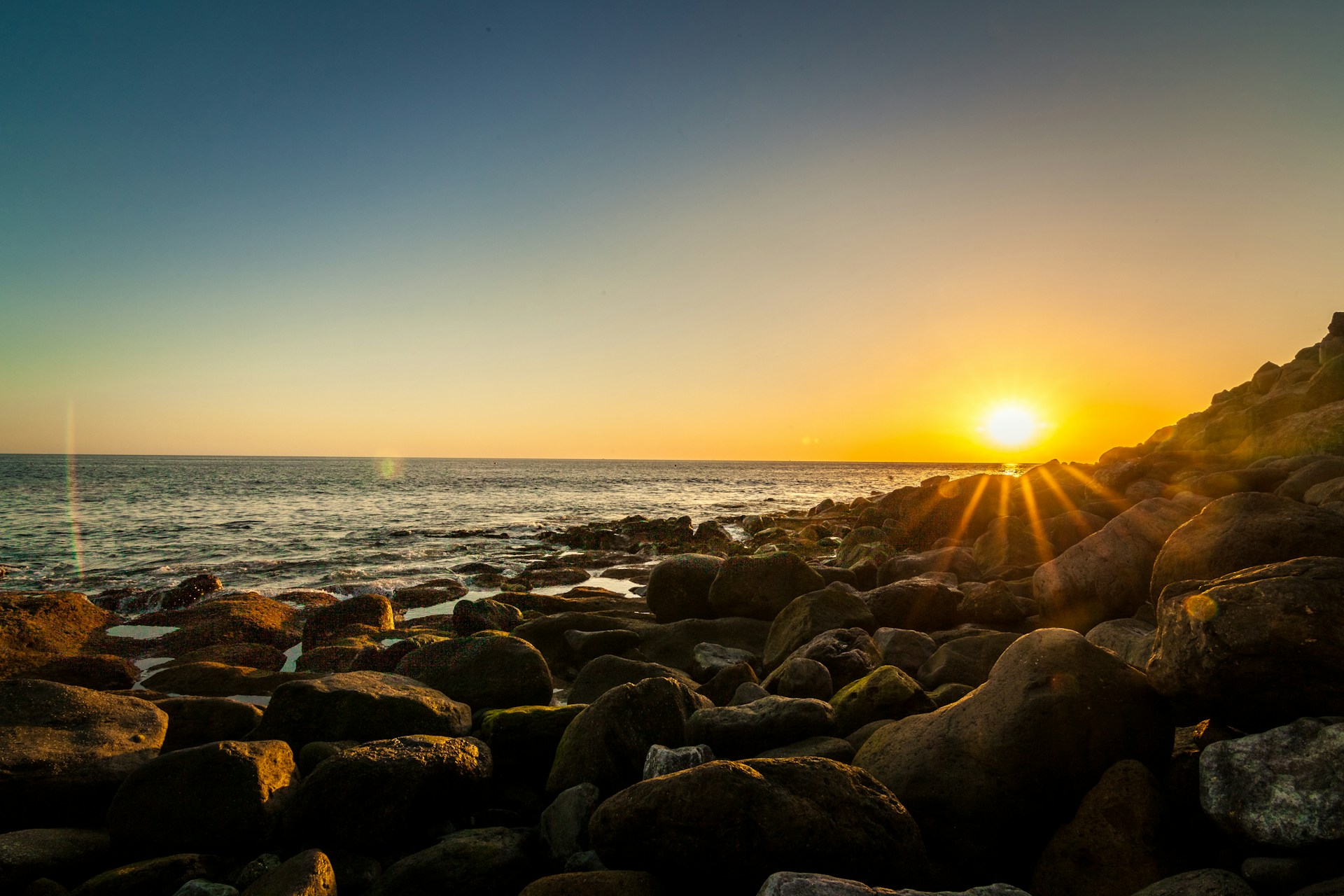 Seven islands off the coast of West Africa, technically Spanish, ecologically unlike anywhere in Europe. The Canaries operate on permanent spring — temperatures hovering between 18 and 28°C year-round — and the volcanic geology produces landscapes of genuine strangeness.
Tenerife has the Teide — at 3,715 metres the highest peak in Spain — rising from a volcanic plateau in the centre of the island surrounded by a national park of lunar rock and pine forests. Gran Canaria has the Maspalomas dunes, a sand desert that meets the Atlantic. Lanzarote, shaped by volcanic eruptions in the 18th century, has a black and ochre landscape of solidified lava fields that artist César Manrique spent his career turning into a series of extraordinary built interventions: underground concert halls, cactus gardens, a clifftop restaurant above the sea.
La Palma and La Gomera are smaller, greener, and less visited — cloud forest, ancient laurel groves, the world's oldest living dragon trees. El Hierro, the westernmost point of Europe, has almost no tourist infrastructure and an underwater volcanic cone that divers come from across the continent to see.
When to Go
Spain's geography is so varied that the optimal timing depends entirely on where you're going.
Spring (March–May) is the best all-around window: the Seville Feria falls in April, the wildflowers are out in Andalusia and the Canaries, the temperatures in the south are perfect for walking, and the north's mountain passes are opening. This is also when Córdoba's Patio Festival runs — early May — which is worth building an itinerary around.
Summer (June–August) is high season everywhere and genuinely hot in the interior and south — Madrid and Seville regularly exceed 40°C in July. The north — the Basque Country, Galicia, Asturias — is cooler and pleasant. The Balearics and Canaries are at their most crowded but the sea is warm.
Autumn (September–October) rivals spring as the best time to visit: the harvest is underway in the wine regions, the temperatures in the south have dropped to something reasonable, and the crowds have thinned.
Winter (November–February) is excellent in the Canaries, mild in Andalusia, and cold in the interior. The Christmas markets in Madrid and the northern cities are genuine rather than decorative. San Sebastián and Bilbao operate fully regardless of season.
A Note on How to Travel Spain
Spain rewards slowness and punishes the highlight reel. The country has 17 autonomous regions, each with its own culture, cuisine, and in several cases its own language — Catalan in Catalonia and Valencia, Basque in the Basque Country, Galician in Galicia. These are not dialects or marketing designations; they are genuine linguistic and cultural distinctions that shape everything from the food on the table to the music in the bars.
The high-speed AVE network connects Madrid to most major cities in under three hours, which makes point-to-point travel fast and comfortable. But the places that stay with you — the white village an hour off the main road, the pintxos bar in a town no itinerary mentions, the beach that requires a dirt track and a local's directions — require time and a certain willingness to be diverted.
Come with fewer plans than you think you need.
Spain will fill the space.


