The Acropolis of Athens: A Detailed History of Western Civilization’s Greatest Monument
April 3, 2026 · TripOnly

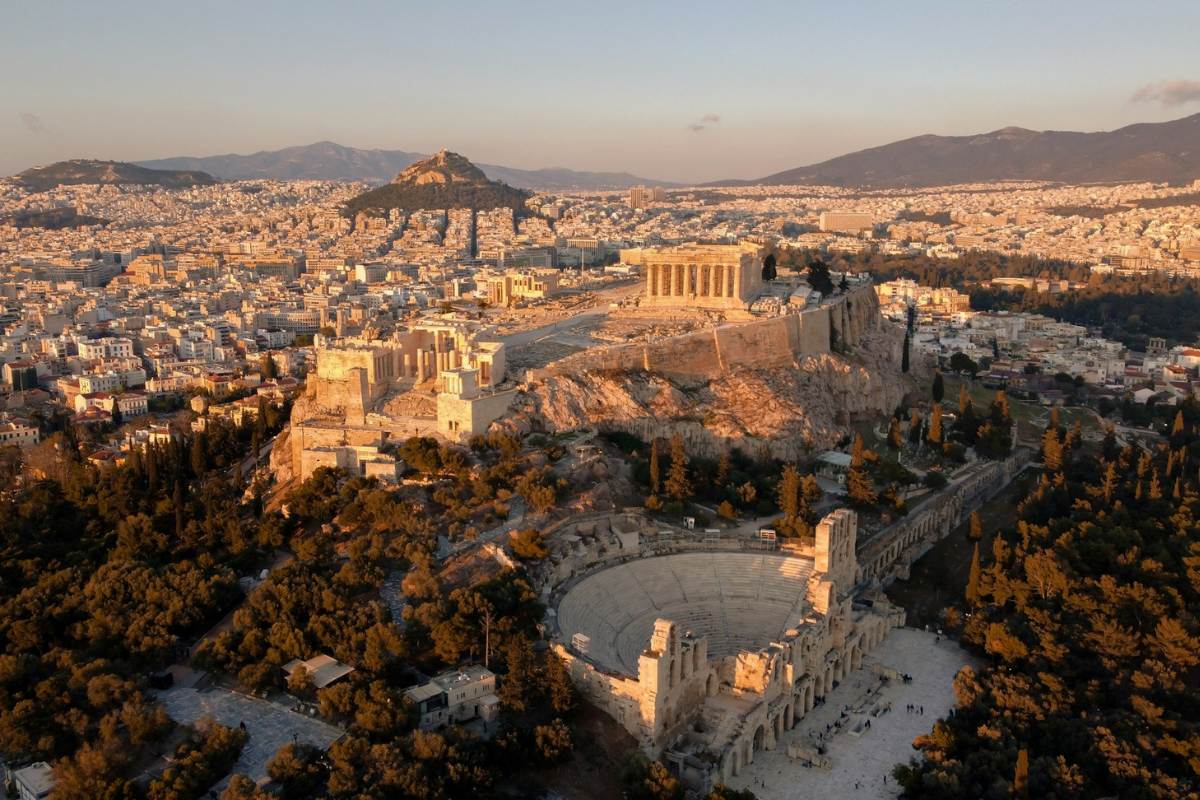
The Acropolis of Athens stands as one of the most iconic and influential monuments in human history. Rising dramatically above the modern city, this limestone outcrop has witnessed the birth of democracy, the height of classical art and architecture, and the rise and fall of empires. Its name literally means “high city” or “upper city,” and for millennia it has served as a fortress, royal palace, religious sanctuary, and ultimate symbol of Athenian power and Western civilization.
Early Beginnings: From Neolithic Settlement to Mycenaean Citadel
Human presence on the Acropolis dates back to the Neolithic period (before 3000 BCE), with pottery fragments found in wells on the slopes. By the Bronze Age (around 1700–1100 BCE), the Mycenaeans — the earliest Greek-speaking civilization — transformed the hill into a fortified citadel.
They built a massive palace complex protected by thick Cyclopean walls (some sections nearly 15 feet thick and 20 feet high). This served as the seat of the local ruler and a place of refuge. Some of these early fortifications and foundations were later incorporated into classical structures. The site was already associated with the worship of Athena, the city’s patron goddess, whose legends (including her contest with Poseidon for patronage of Athens) are deeply tied to the rock.
The Archaic Period: First Monumental Temples
During the Archaic period (roughly 800–480 BCE), the Acropolis evolved from a defensive stronghold into Athens’ most important religious sanctuary dedicated to Athena.
In the 6th century BCE, under the tyrant Peisistratos and his sons, the first major temples appeared:
- The Hekatompedon (“Hundred-Footer”), an early temple to Athena.
- The so-called Bluebeard Temple (named after its colorful pediment sculpture depicting a triple-bodied serpent-tailed creature).
Large numbers of votive offerings — marble statues (korai and kouroi), bronze figurines, and pottery — were dedicated by worshippers. The Panathenaia festival, Athens’ greatest religious celebration, centered on processions up to the Acropolis.
The Persian Destruction (480 BCE)
The turning point came during the Persian Wars. In 480 BCE, the armies of Xerxes invaded Athens, sacked the city, and deliberately destroyed the Acropolis. They burned temples, toppled statues, and looted treasures. The Athenians had evacuated the city earlier, watching helplessly from the island of Salamis as smoke rose from their sacred hill.
This catastrophe left a deep scar on the Athenian psyche. For decades afterward, the ruins were left as a reminder of Persian barbarity. The Athenians buried damaged sculptures in natural pits on the Acropolis (many were later discovered during 19th-century excavations).
The Golden Age of Pericles: Rebuilding in Marble (447–406 BCE)
After the Greek victory over Persia, Athens entered its Golden Age under the leadership of the statesman Pericles (c. 495–429 BCE). Flush with wealth from the Delian League and confident after defeating the Persians, Pericles launched one of the most ambitious building programs in history.
Between 447 and 406 BCE, the Acropolis was transformed into the architectural masterpiece we recognize today. The greatest artists and architects of the classical period were involved:
- Ictinus and Kallikrates designed the Parthenon (447–432 BCE), the monumental temple dedicated to Athena Parthenos (“Athena the Virgin”). Supervised by the sculptor Pheidias, it housed a colossal gold-and-ivory statue of the goddess.
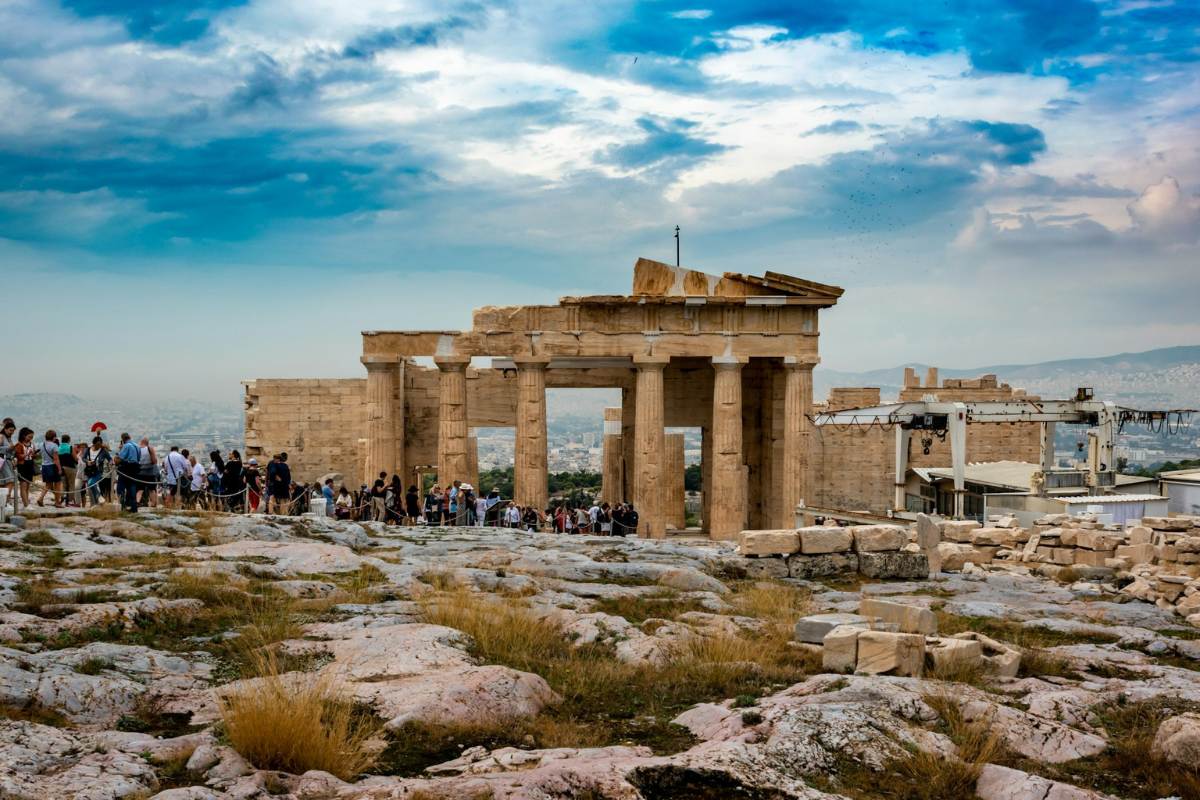
- Mnesicles designed the Propylaea (437–432 BCE), the grand monumental gateway.
- The elegant Temple of Athena Nike (427–424 BCE) celebrated victory over the Persians.
- The Erechtheion (421–406 BCE), with its famous Caryatid porch, honored multiple deities and housed sacred relics, including the wooden xoanon (ancient statue) of Athena.
These buildings represent the pinnacle of classical Greek architecture — perfect proportions, optical refinements (such as slight curvatures to correct visual illusions), and masterful sculptural decoration depicting myths, battles, and processions.
The Acropolis became not only a religious center but also a powerful political statement: a monument to Athenian democracy, naval supremacy, and cultural superiority.
Later History: From Antiquity to Modernity
After the classical period, the Acropolis continued to evolve:
- In Roman times, it remained a prestigious site, with emperors adding monuments and repairs.
- With the rise of Christianity (4th–5th centuries CE), the Parthenon was converted into a church dedicated to the Virgin Mary.
- During the Byzantine and Frankish periods, it served various roles.
- Under Ottoman rule (from 1458), the Parthenon became a mosque, and a minaret was added. Tragically, in 1687 during the Venetian siege, the Ottomans stored gunpowder inside the Parthenon. A Venetian cannonball struck it, causing a massive explosion that destroyed the center of the building and many sculptures.
In the 19th century, during the Greek War of Independence, the Acropolis changed hands several times before becoming Greek territory again in 1830. Lord Elgin’s controversial removal of the Parthenon sculptures (the “Elgin Marbles”) also occurred during this era.
Today, the Acropolis is a UNESCO World Heritage Site. Ongoing restoration work carefully preserves and stabilizes the monuments while the Acropolis Museum at the base displays many original sculptures and offers context for the site.
Why the Acropolis Still Matters
The Acropolis is much more than beautiful ruins. It symbolizes the birth of democratic ideals, the pursuit of excellence in art and architecture, and the human desire to create something lasting. The buildings embody the classical values of harmony, proportion, and rationality that have influenced Western civilization for over 2,000 years.
Standing on the Acropolis today, with the Parthenon above you and modern Athens spread out below, you feel the weight of history — from Mycenaean kings and Persian invasions to Pericles’ vision and the birth of the ideas that still shape our world.
Have you visited the Acropolis? What moment or monument moved you the most — the grandeur of the Parthenon, the delicate beauty of the Erechtheion’s Caryatids, or simply the view from the top?


